Case Study: Turning Voices into Action in the Centralina Region

Centralina Regional Council (CRC) has provided extensive strategic planning support and technical assistance to their member communities as they grapple with high-population growth and increased cost of living across their 9-county Charlotte NC Metro region. Noticing a need for a regional facilitator and convener around housing challenges and community growth, CRC community and economic development staff organized a housing symposium for a member community and have conducted Housing Preservation and Innovation workshops with local leaders.

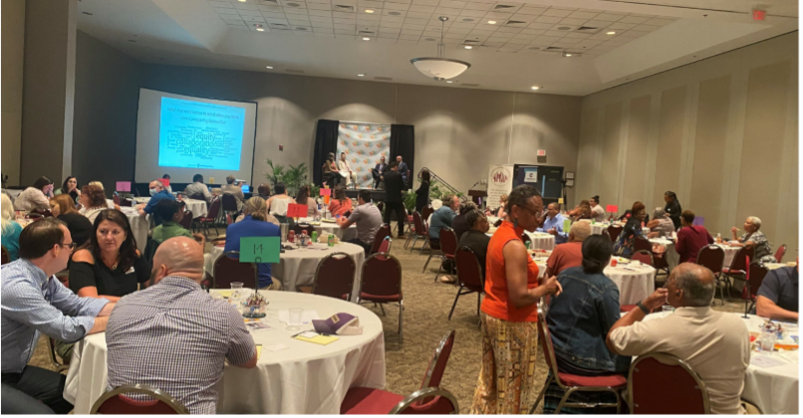
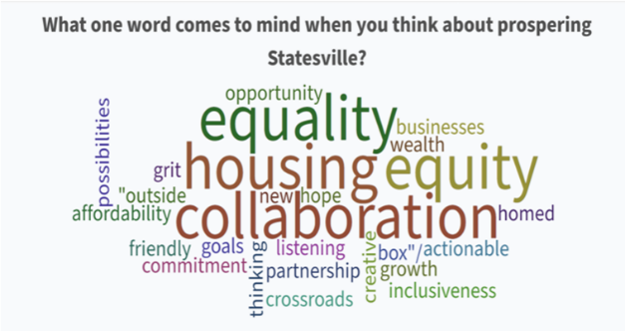
The CRC’s housing symposium, Statesville THRIVES, offered a community forum for local stakeholders and elected officials to come together and solve two pivotal issues: how their community will respond to housing challenges and how they can create thriving communities across the Centralina Region. As housing in a high-growth region can become a political flashpoint very quickly, Statesville turned to CRC to be the non-partisan, trusted entity to guide their community conversation and actionable outcome process.

The event gave Statesville stakeholders the chance to hear and learn from their peer communities in the region like Hickory, Mooresville, and Winston-Salem. Having these communities participate in Statesville THRIVES regionalized the discussion and provided ample discussion opportunities on how Statesville can use proven strategies that have worked in other communities with similar housing markets and similar growth trends. Taking these conversations to the regional level also gave these communities the chance to come together and discuss not only what they can do in their own communities, but more importantly, how they can collaboratively address housing challenges at the regional level.
Plan to Act

Starting with a housing and community development session led by Sarah Odio from the University of North Carolina at Chapel Hill – School of Government Development Finance Initiative, Odio distilled housing affordability into three main factors that guided the discussion groups: availability, adequacy, and accessibility of housing. CRC has been able to leverage the conversations at the housing symposium towards collaborative Action Challenges in their final report from the event: Statesville Thrives: A Housing Symposium Report. Taking a broader approach to how their communities can best respond to housing challenges, Statesville THRIVES prioritized:
  • Technology Access
  • Housing Mechanisms
  • Regionalism
  • Infrastructure Equity
  • Vibrant Communities
  • Engagement and Education
  • Sustaining Partnerships
Each of these sections was accompanied by specific Action Challenges that Statesville can take to create a thriving community. Click here to view the full report from the event.

Housing Preservation and Innovation Workshops

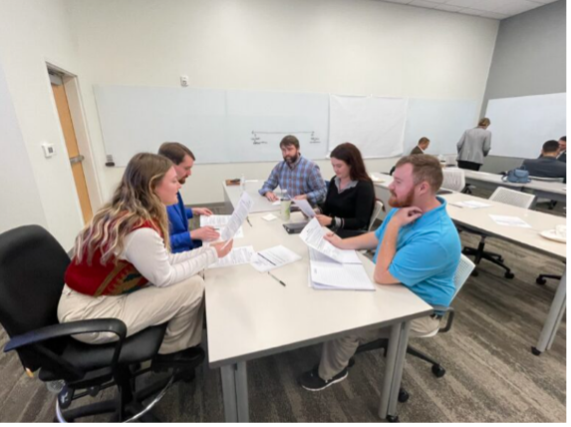
As a supplement to their regular Centralina Regional Managers meeting, CRC staff conducted a Housing Preservation and Innovation Workshop that gave local officials the opportunity to learn more about best practices from across the country to promote affordable housing rehabilitation and development. CRC found that increasing the viability of existing housing stock through creative rehabilitation opportunities and prioritizing a mix of housing choices in the region to reduce transportation and housing costs were a high priority to local leaders. To help facilitate these conversations, CRC used scenario planning examples to help community leaders engage with each other on housing preservation and rehabilitation opportunities. Focusing the workshops on housing rehabilitation coupled with the scenario planning structure simplified a complex issue like housing into digestible, manageable, and actionable planning for the regional leaders. These housing scenarios are available on CRC’s website for other communities or regions to use for their own workshops and can be found here.

Regional solutions from the workshop include:

  • Providing education to homeowners, staff, elected officials, and the general public on housing issues in the community that are held outside of the town hall setting.
  • Examining and promoting zoning changes to allow for higher density development and multi-family options.
  • Developing partnerships with county officials and non-profits to help with community engagement, education, and problem-solving initiatives.
  • Offering options that developers and local contractors can benefit from to enhance housing preservation and lower building costs while supporting local businesses.
  • Coordinating and promoting multi-community urgent and critical home repair program contract needs in the region to attract more interested and eligible contractors.
  • Examining options to partner with lending institutions to acquire/preserve naturally occurring affordable homes and consider the purchase of land dedicated to affordable housing.
To meet future planning opportunities in their region, CRC plans to host more of these targeted community workshops to help communities best understand how they can utilize and improve their existing housing stock.

Search NADO.org