Economic Development Districts Embark on Food System Development in the Dakotas and Minnesota

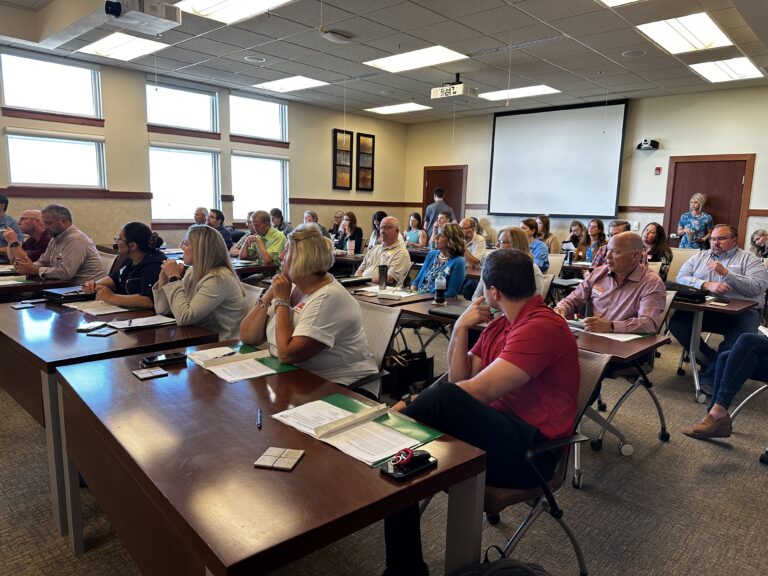
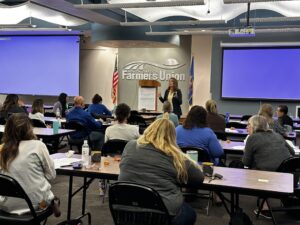
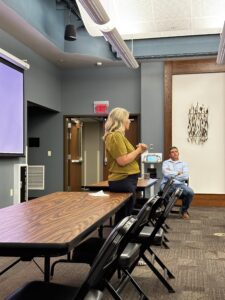
On August 15-17, 2023, Economic Development Districts, tribes, and others gathered in Jamestown, North Dakota; Pierre, South Dakota; and Minneapolis, Minnesota to attend the kickoff meetings for the North Central Regional Food Business Center, led by Region Five Development Commission (R5DC), an Economic Development District and, WealthWorks regional hub. Twelve organizations, including R5DC, were selected by the US Department of Agriculture (USDA) Agricultural Marketing Service as finalists to establish 12 Regional Food Business Centers across the country. These centers will provide coordination, technical assistance, and capacity building to help farmers, ranchers, and other food businesses access new markets and navigate federal, state, and local resources. The North Central Regional Food Business Center will serve Minnesota, North Dakota, and South Dakota.

The project targets a regional system change, lifting up underserved communities including women, Native American, veteran, and Latino populations through key identified project partners.  Establishing a Regional Food Business Center with collaboration between these three states will help reverse trends like declining family farms, supply chain weaknesses, small business challenges, and other difficulties exposed and exacerbated by the pandemic, while expanding opportunities for small and mid-sized farmers.  Goals include increasing regional resilience, enhancing regional food sovereignty, and offering consumers more food choices, ultimately leading to more vibrant downtowns, robust farmers markets, and healthier residents. Further, increased regional food independence will better insulate the regional food system against future crises such as another pandemic, climate emergencies, and shocks or disruptions. This opportunity will showcase how food value chains can have a dynamic impact on food access, and when done right, can impact economic prosperity while advancing climate mitigation and social cohesion.

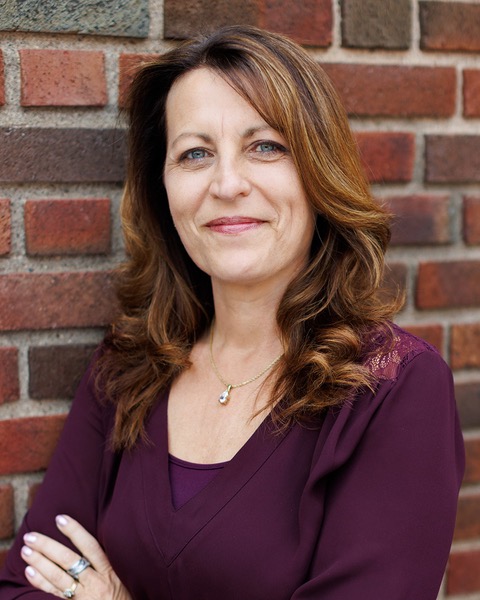
“This is an extremely exciting opportunity to build on multi-state assets, honor our environmental stewardship commitments, and serve the agricultural economy with an intentional focus on underserved small to mid-sized food value-chain businesses. The group of partners who have come together to make this happen is a dream team, and we are grateful for this incredible investment to strengthen food businesses in the North Central US three-state region.”
Cheryal Hills
Executive Director, R5DC
The August 2023 trainings were also supported by the U.S. Economic Development Administration (EDA) through the Economic Development District Community of Practice (EDD CoP), managed by the National Association of Development Organizations (NADO) Research Foundation.

Melissa Levy, a NADO Regional Development Researcher and wealth creation specialist, designed and developed the trainings as a way to share the wealth creation framework with participants. The North Central Regional Food Business Center is one of the only Centers that is using the wealth creation approach as a lens for all its work, including evaluation; according to Cheryal Hills, this approach to the North Central Regional Food Business Center is “sharing impacts in the eight forms of wealth as elucidated by WealthWorks model that allows for rural wealth to STICK.”

The trainings introduced participants to the wealth creation principles:

1. Create wealth broadly and aspire to do no harm to any form of wealth.
2. Root wealth in local people, places, and firms through local ownership, control, and influence.
3. Build lasting livelihoods by intentionally including people and firms on the economic margins.

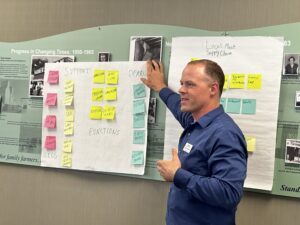
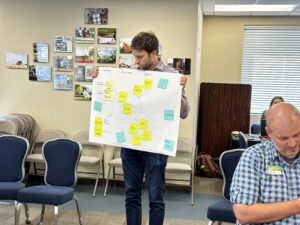
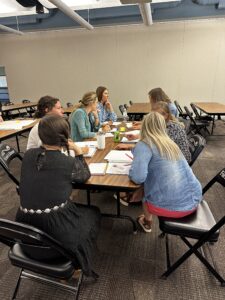
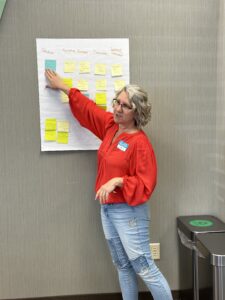
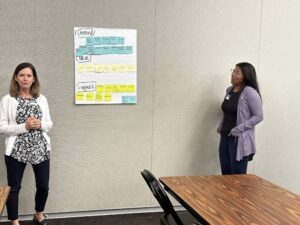
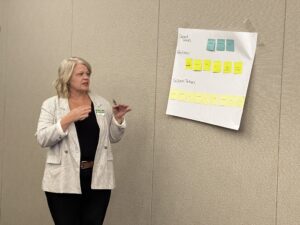
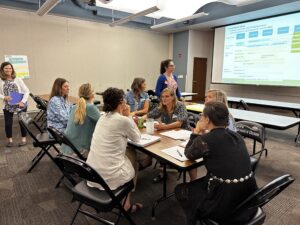
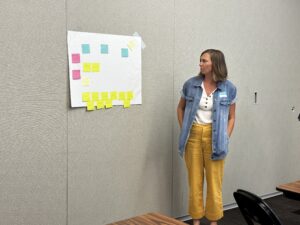
Participants had the opportunity to consider ways of integrating wealth creation principles into their CEDS planning through asset inventory, SWOT, strategy development, and evaluation. Melissa introduced the concept of value chains and value chain mapping, and groups worked to develop their own value chains around particular market opportunities, some based on real ideas and some as practice. These included: food hubs, food incubators, technical assistance, and specific foods.

R5DC is an ideal EDD to lead this initiative, as it has its own food system success story to share – helping to develop and launch Sprout Minnesota, a food system initiative consisting of a Community Supported Agriculture (CSA), food hub, and shared kitchen. What started with four farmers supplying one school, with capacity building and hard work, became a food hub with 130 low-income, tribal and women growers, integrating cultural interaction and exchange, arts, and culture.

Erin Oban
North Dakota State Director, USDA RD 

“Saying ‘yes’ isn’t easy. It takes no effort to say no. Building capacity and community is hard work, and it’s even harder when it needs to be done across partners, borders, and boundaries. That collaboration is what you all agreed to when you said yes. You are dreamers and doers, and both are required to make great things happen for those we serve. Thank you for saying ‘yes’ and for the important roles you each will play in making this a success!”

Colleen Landkamer
Minnesota State Director, USDA RD 

“All the work that went into this has been impressive. How do we work with partners to increase the supply chain and make sure there is equity? You make a great difference in the lives of people living in this region. Together is the only way we’ll get things done. Now the real work starts.”

Lacy Stephens
USDA AMS Headquarters 

“The Regional Food Business Center initiative is building the food system from the ground up, and is a cornerstone of USDA’s local and regional food systems work and Food Systems Transformation initiative.”

Cheryal Hills
Executive Director, Region Five Development Commission and Regional Food Business Center Lead

“If we can dream it, you can do it.”

For more information about how EDDs can incorporate wealth creation approaches into their planning and programming, contact Melissa Levy at [email protected].

The EDD CoP is funded through an award from the U.S. Economic Development Administration, U.S. Department of Commerce (ED22HDQ3070106). The statements, findings, conclusions, and recommendations above are those of the participants, trainers, and authors and do not necessarily reflect the views of the U.S. Economic Development Administration or the U.S. Department of Commerce.

Search NADO.org