A Living, Learning Innovation Ecosystem
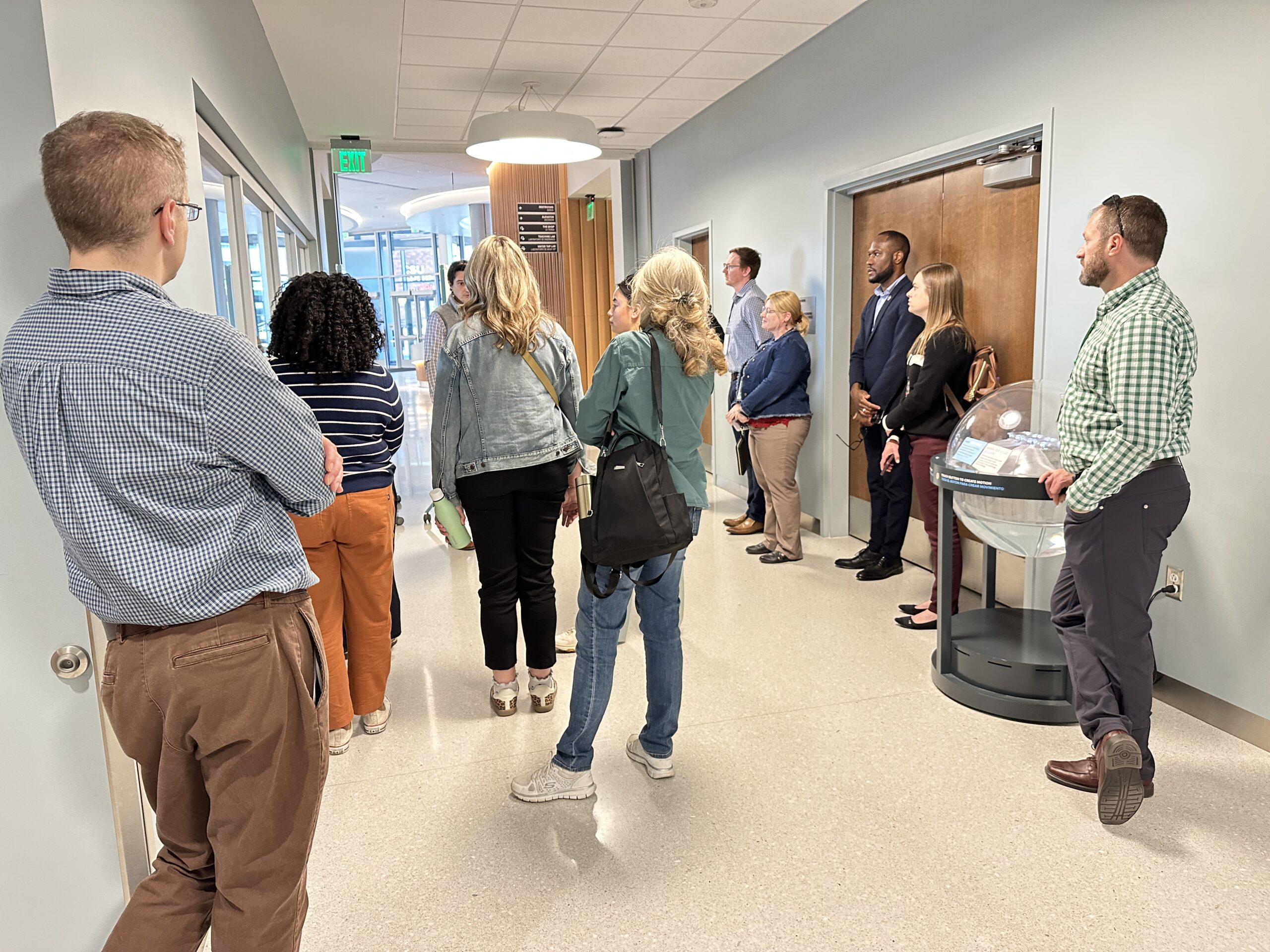
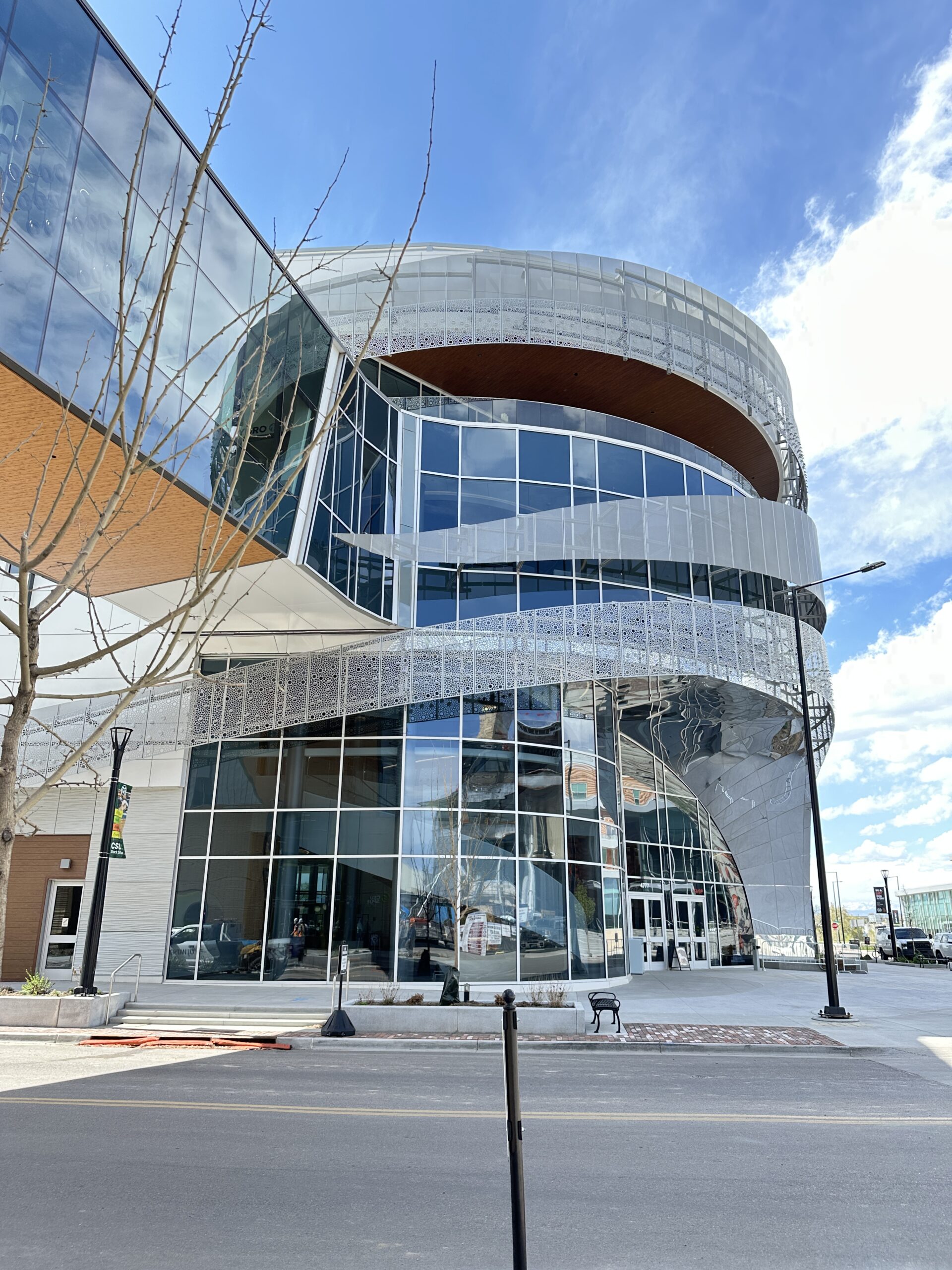
The tour included visits to three main buildings on campus, each focused on a different theme:
- Vida – Focuses on animal and human health and includes a partnership with the Humane Colorado Veterinary Hospital, which offers hands-on learning for all ages. It also houses the Temple Grandin Equine Center, which provides equine-assisted therapy—covered by Medicaid in Colorado.
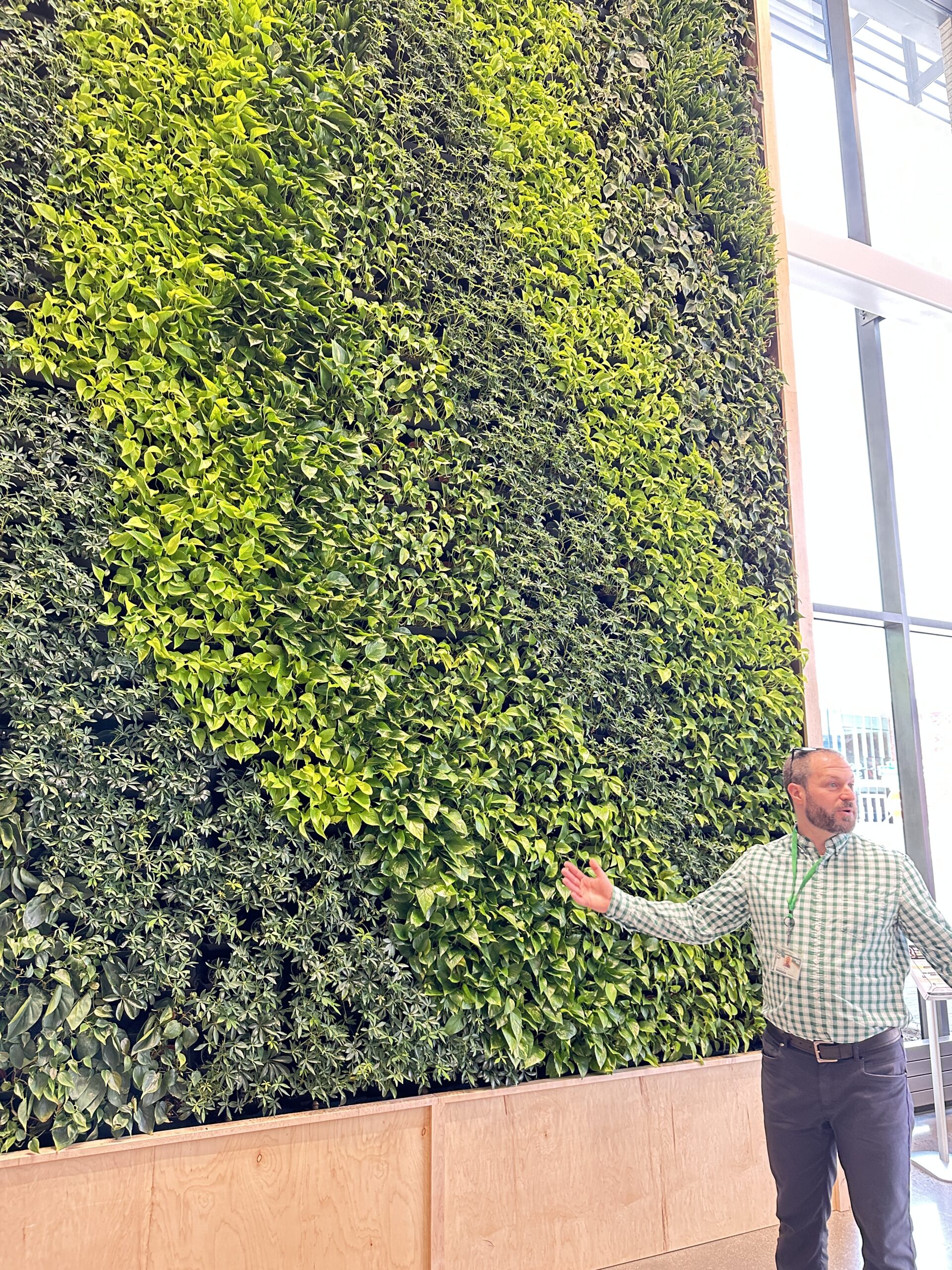
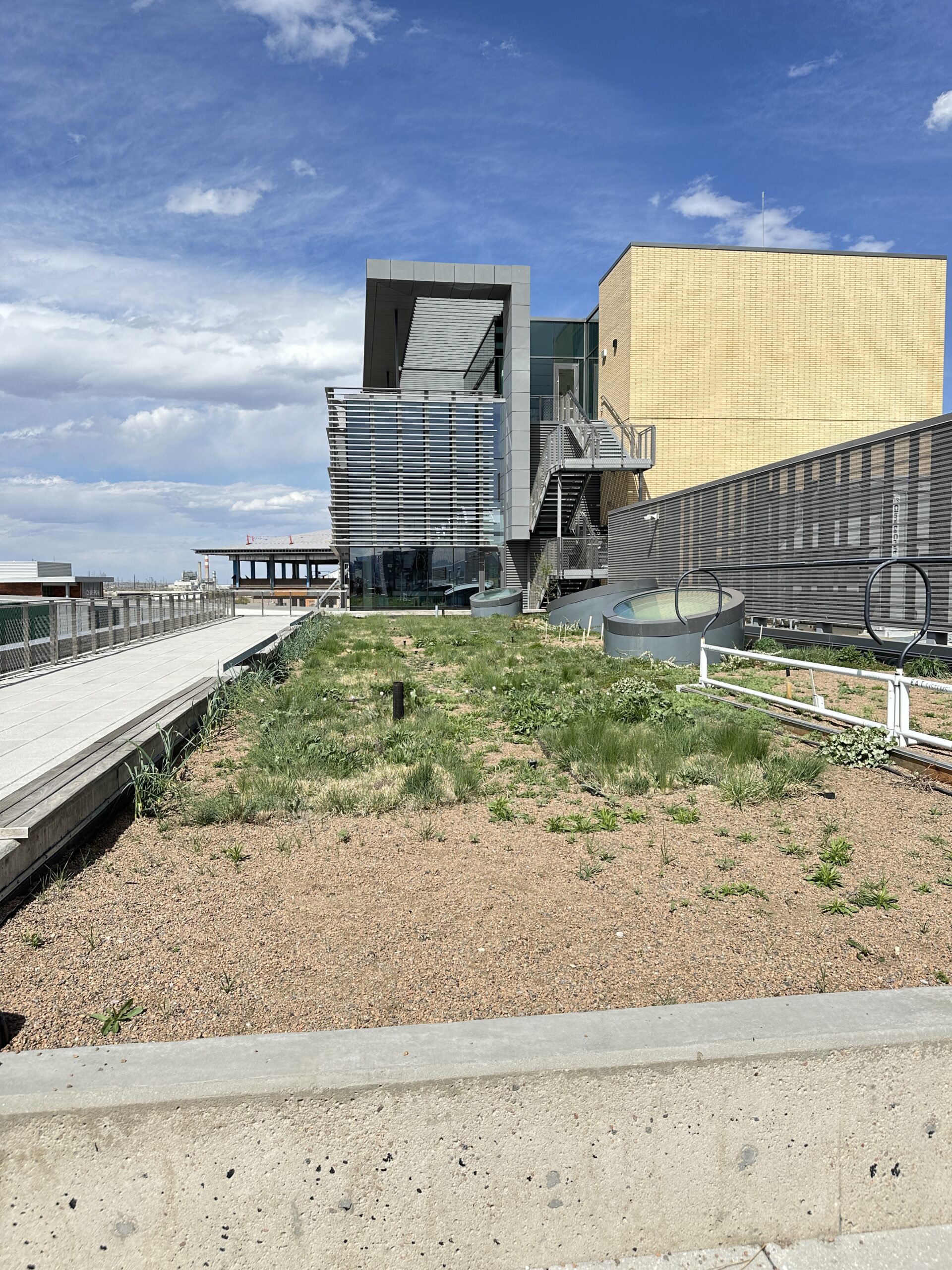
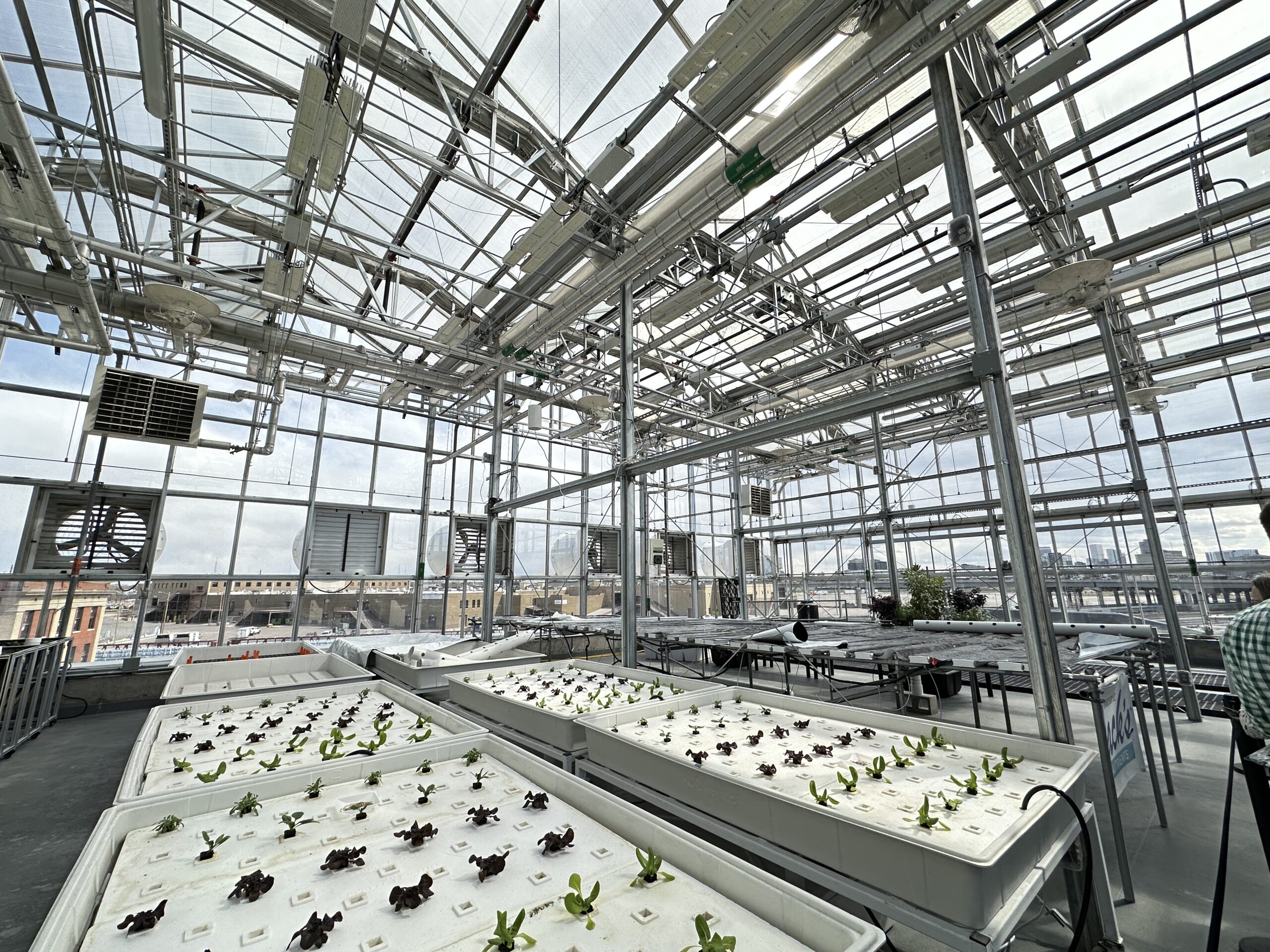
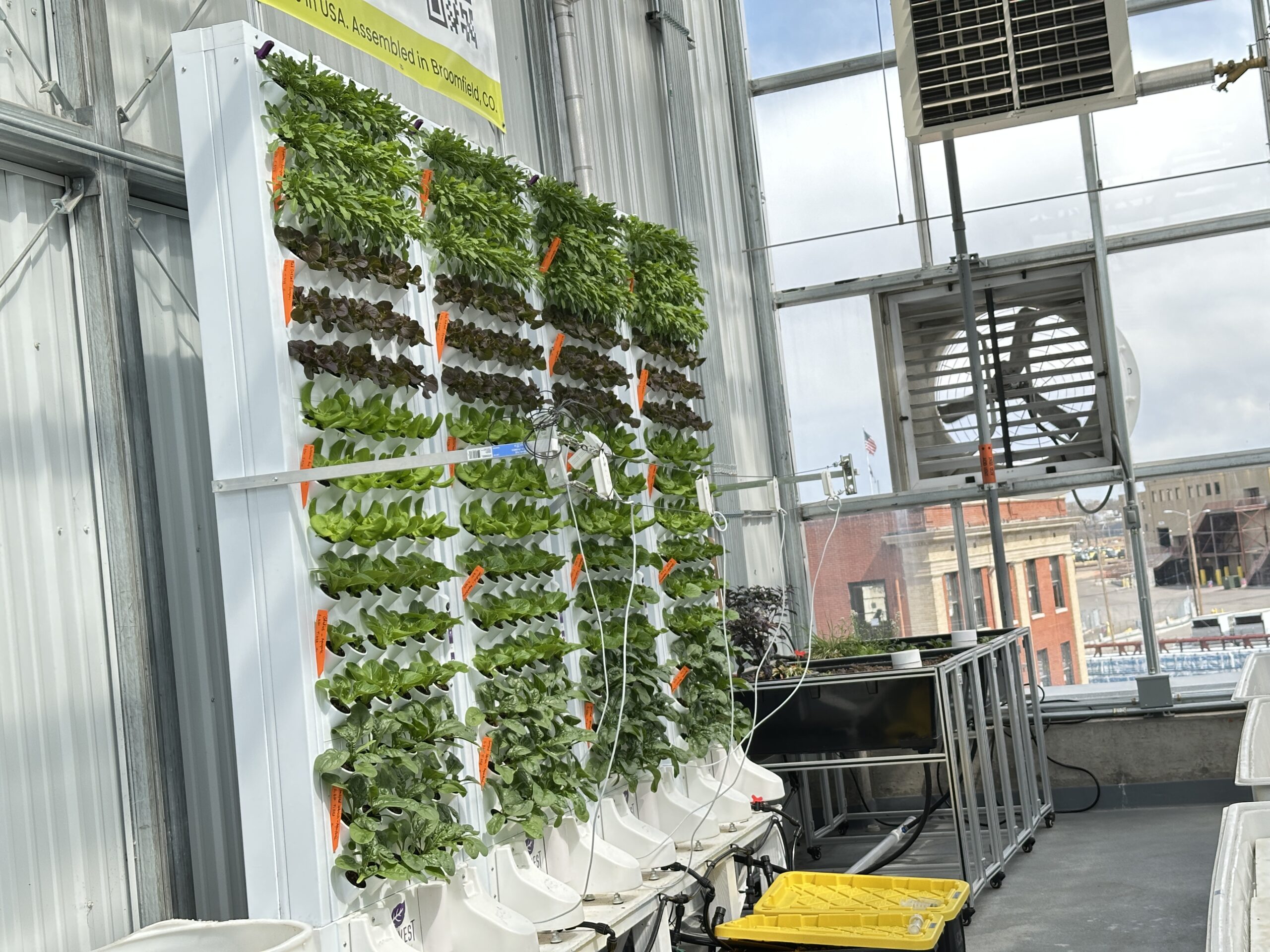
- Terra – Dedicated to food, agriculture, and sustainability, Terra is home to the world’s largest publicly accessible research green roof, showing how urban spaces can be used for plant and food production. The greenhouse is home to koi, demonstrating the potential to integrate aquaponics (fish production) into hydroponic (vegetable production) systems. Terra is also home to the Food Innovation Center, which is helping entrepreneurs develop and refine food products and find markets. The center includes the Ardent Mills Teaching and Culinary Center which is a commercial kitchen used for both education and industry partnerships, a sensory testing lab, the Leprino Foods Dairy Innovation Center, and other multi-purpose labs.
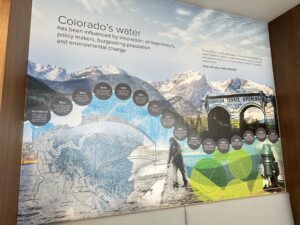
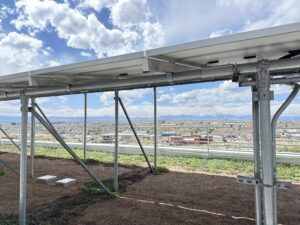
- Hydro – Explores water science and policy and houses Denver Water, a unique university-utility partnership that expanded analytical capabilities of Denver Water while exposing learners of all ages to potential careers in water. Hydro’s rooftop also has a green roof that is used to facilitate research in agrivoltaics, a growing field that involves producing food crops and solar energy in the same space.
The Shop, a former meatpacking facility and mechanic shop, now serves as a home for nonprofit partners, educational organizations and artist studios. It features maker spaces, summer camps, and entrepreneurship labs to inspire the next generation of innovators. These programs also showcase the value of higher education and STEM careers.
Innovation, Research & Sustainability
CSU Spur is home to a few cutting-edge research initiatives and community-focused programs:
- Farm Lab – An industrial partner focused on soil testing and bagging
- Soil Carbon Solution Center – Offers carbon finance bootcamps and industry-academic discussions
- MARC (Metro Agricultural Research Center) – Works on aquaponics and greenhouse research
- Companies renting lab space – Supporting a thriving innovation ecosystem
From agrivoltaics and green roofs to climate resilience research and water collection/testing, the campus is actively working to bring ideas out of the academy and into the world.
 Public Engagement Through Art, Food & Fun
Community is at the heart of CSU Spur. Here are just a few of the ways they invite public involvement:
- 2nd Saturdays – Free, family-friendly community events with food trucks, interactive science exhibits, and hands-on fun
- Community Food Systems and Food Access – Supporting healthy food access and local vendors
- Taste Testing at the Food Innovation Lab – Residents are paid to participate in taste testing new food products.
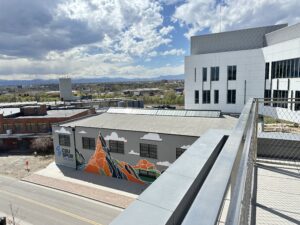
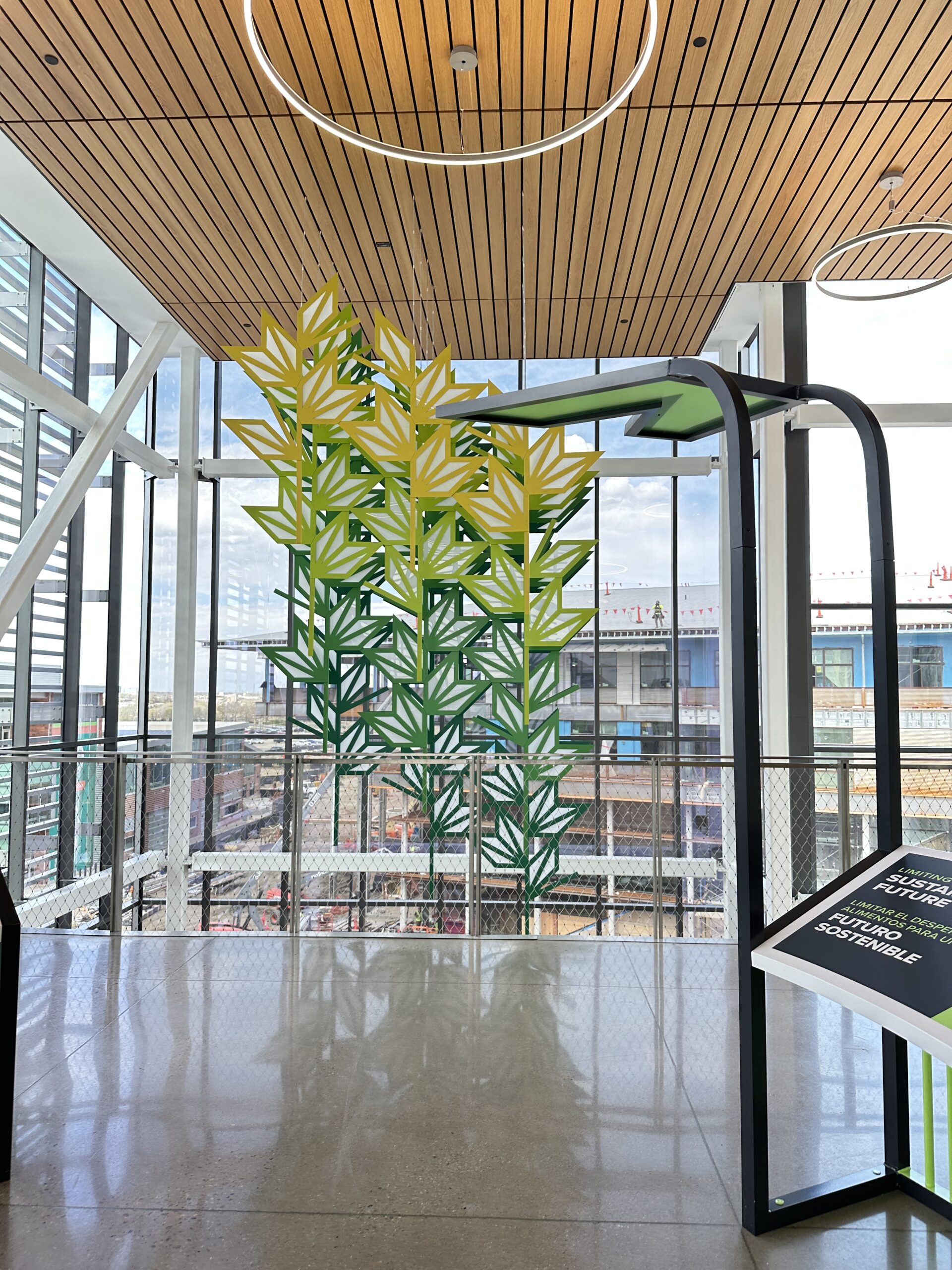
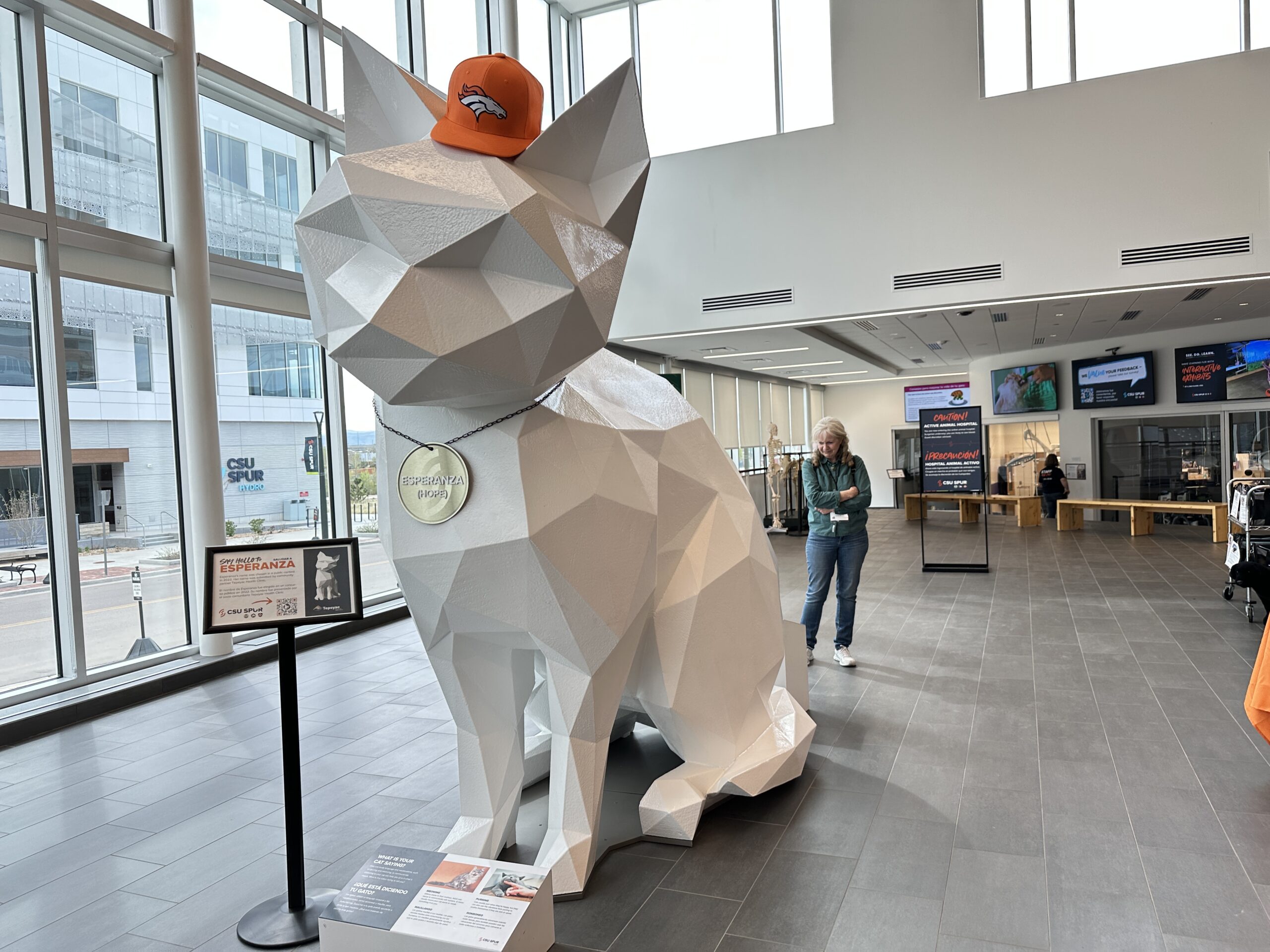
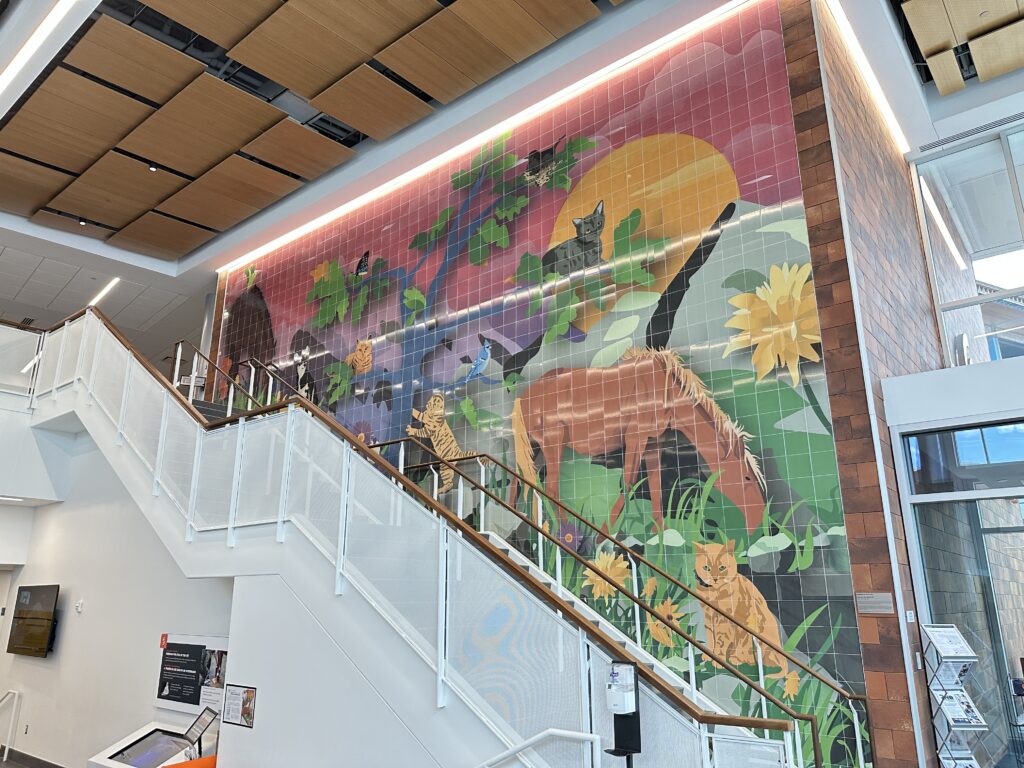
- Public Art – Funded through 1% of its total state funding ($2.5 million out of $250 million, sourced from repurposed hotel tax revenue)
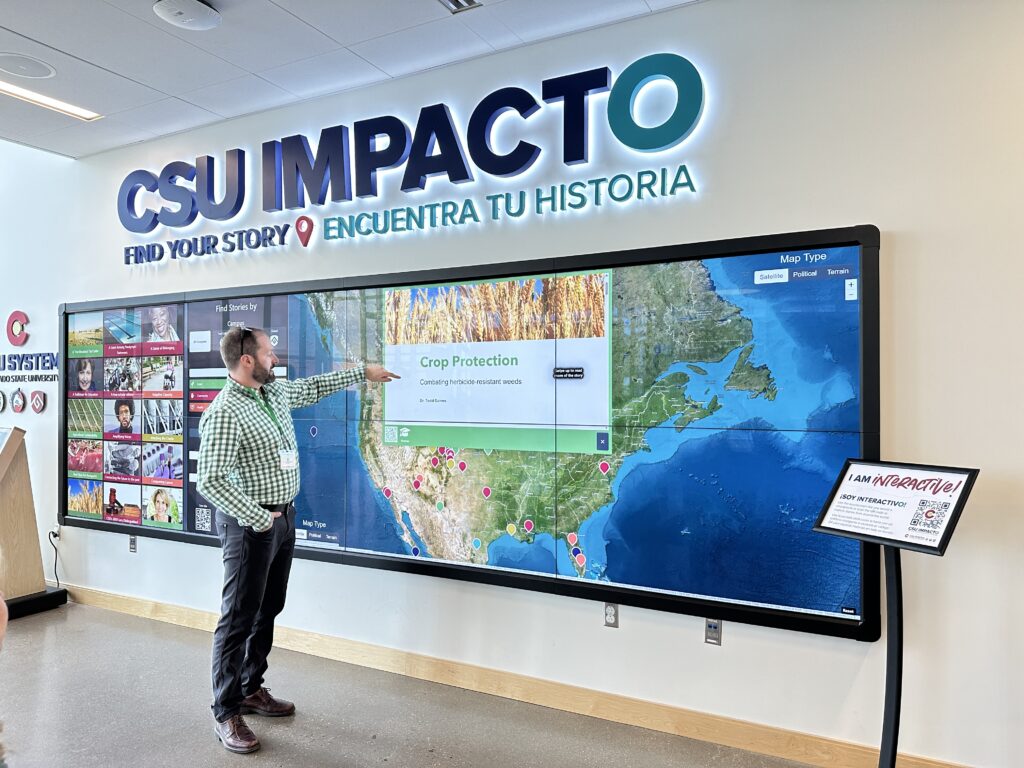
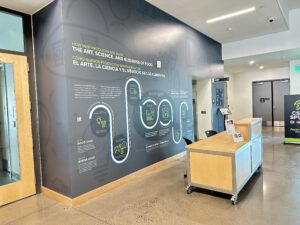
- Career Walls – Every building features displays to inspire visitors by highlighting career paths in science, agriculture, water, veterinary care, and more
- Public Education – Spur is focused on public education, research and community outreach, connecting K-12 students with scientists through observation and hands-on activities. CSU Spur works with K-12 students and teachers from across the state to provide career discovery opportunities.
A Commitment to the Future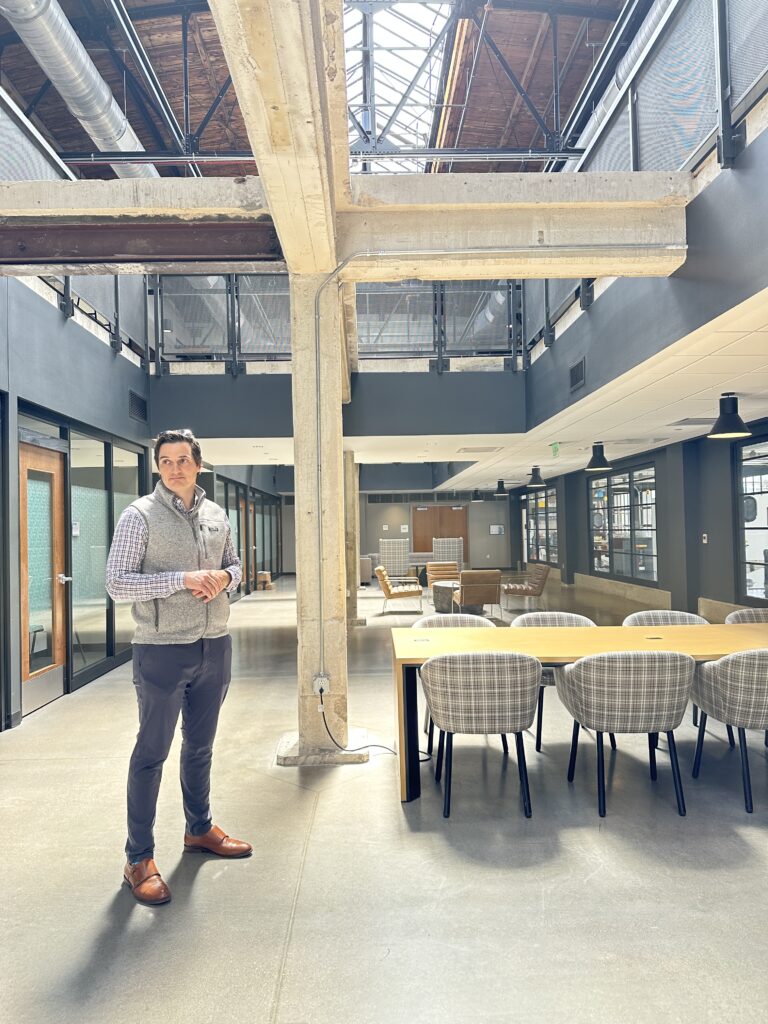
With its strategic location near Denver International Airport, CSU Spur also serves as a convening space—hosting trade groups, industry partners, and collaborative forums. Ultimately, CSU Spur is making a “long play”—not just building a campus but investing in a future where we can collaboratively tackle the grand challenges facing the world. Through co-creation, access, and investment, it’s helping turn a once-overlooked area into a vibrant hub of innovation and opportunity.