
From Wonder Bread to WonderBlock:
Ogden’s Recipe for Downtown Revival

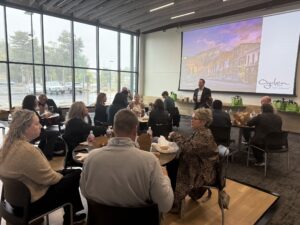
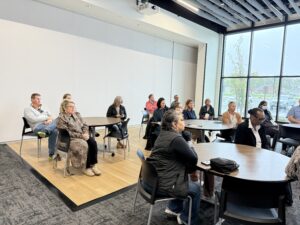
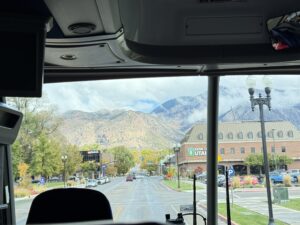
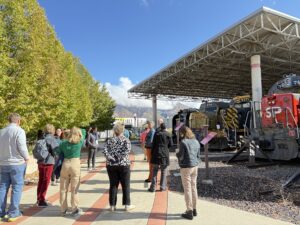
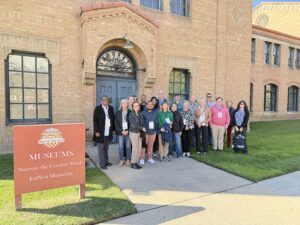
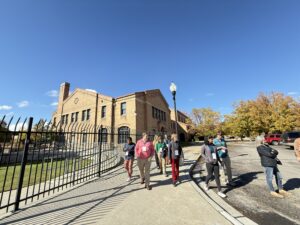
At the 2025 NADO Annual Training Conference in Salt Lake City, Utah, about 20 attendees participated in a site visit to the City of Ogden to learn more about the community, its WonderBlock Development, and ongoing downtown revitalization efforts.

Wasatch Front Regional Council (WFRC) was instrumental to organizing this mobile workshop, as well as supporting Ogden in its downtown revitalization efforts. WFRC is an Association of Governments comprised of elected officials from Box Elder, Davis, Morgan, Salt Lake, Tooele, and Weber Counties, as well as an Economic Development District for the region. WFRC acts as a convener, technical expert, planner and implementer for its region.

Located along the Wasatch Front a little less than 40 miles north of Salt Lake City, Ogden is home to roughly 90,000 residents across 26 square miles. The city boasts a rich mix of historic, cultural, recreational, and natural assets.  

History

Ogden claims the title of Utah’s oldest European settlement, dating back to 1845. It grew into a major railroad hub, serving nine different rail systems, bringing hotels, restaurants, and retail. During Prohibition, Ogden became known for a lively underground scene of bootleggers and speakeasies. World War II brought renewed vitality through increased rail traffic, the U.S. Forest Service building, and the establishment of Hill Air Force Base in 1938.   As rail travel declined, Ogden faced economic challenges through the 1970s, leaving the once-thriving main street lined with vacant buildings. However, the outdoor industry and community-driven efforts sparked a transformation. Historic 25th Street, once boarded up and underutilized, has been revitalized into a vibrant destination for travelers, families, food enthusiasts, and art lovers. Ogden also acknowledges the value of its key anchor partners, including Hill Air Force Base,  local technical colleges and universities, and health care institutions that all contribute to the city’s economic and social fabric.

Activating Underutilized Assets

Ogden’s redevelopment strategy is simple: activate underutilized assets. By investing in transformative redevelopment, the city is closing gaps both fiscal and physical and creating wealth by leveraging the city’s many assets:

  • Historic and cultural assets – arts, entertainment and cultural programming, much of it centered around Union Station.
  • Transportation and mobility assets – multi-modal transit connections, Ogden City Airport, and Business Depot Ogden for business retention and recruitment.
  • Parks and open space – the beauty of Ogden’s natural environment, including mountain vistas and abundant outdoor recreation.
  • Social connectivity – community spaces and events that foster engagement.

Marshall White Center

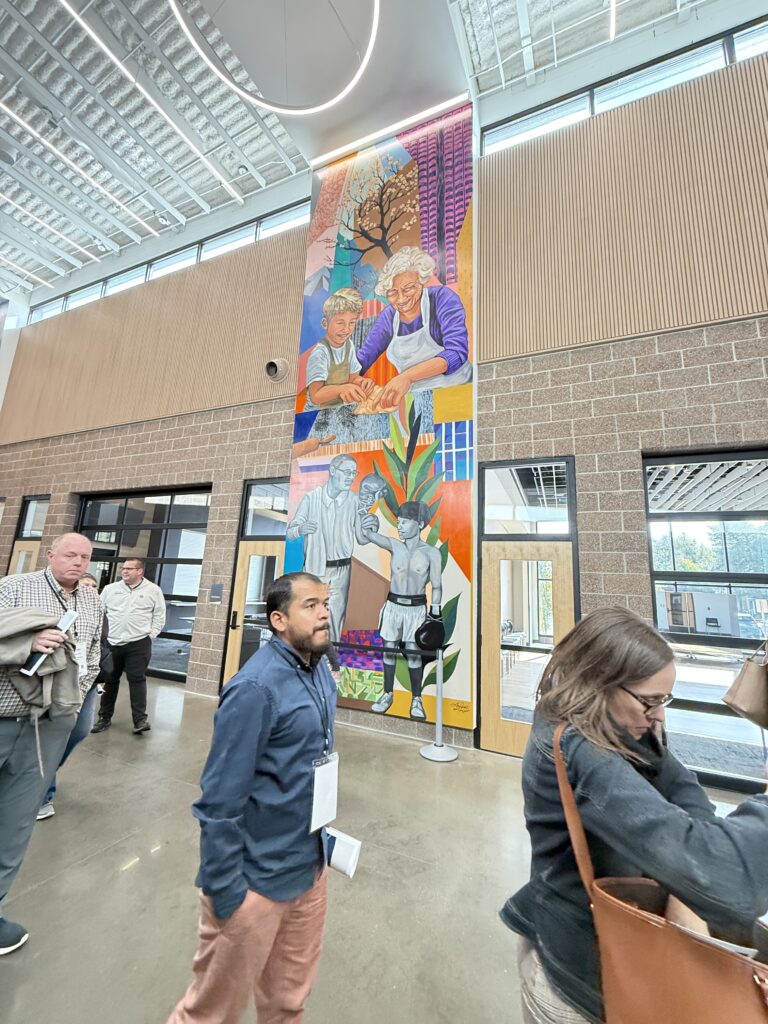
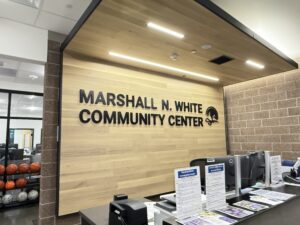
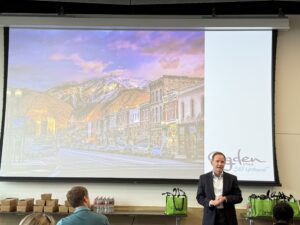
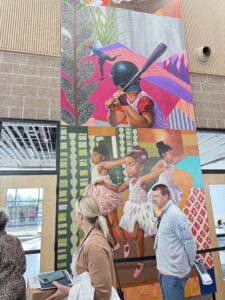
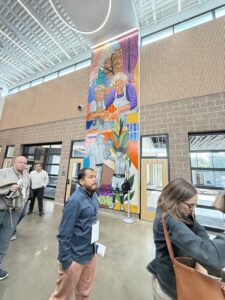
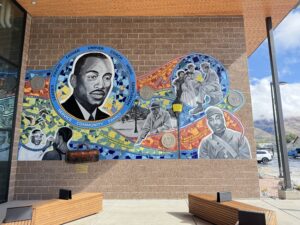
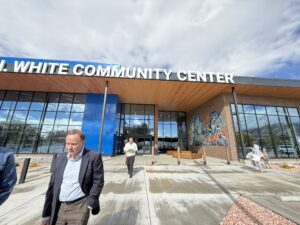
The tour began with a visit to the newly rebuilt Marshall White Center, a community hub twice the size of its predecessor, funded through New Market Tax Credits and opened in 2025. The group was treated to a presentation by David Sawyer, Deputy Executive Director of Community and Economic Development for the City, and KC Sanders, Business Recruitment Manager. The Center is a community resource for people of all ages, offering a wide range of activities and programs that bring Ogden together. These include adult programs like fitness, boxing, art, pottery, dance and cooking; youth programs like boxing, cooking, dance, pottery, art, music, seasonal sports programs and more; and a pool and aquatics programming including aquatic fitness, swimming lessons and more. The Center also hosts annual events like the Ogden Cinco De Mayo Festival, Thanksgiving Dinner Christmas Dinner and Martin Luther King Jr. Breakfast. Named after Ogden’s first Black police officer killed in the line of duty, the center honors his legacy. Marshall White’s granddaughter led the tour, adding a personal touch to the experience.

Ogden Business Exchange

Along our travels, we drove by a great example of Ogden building on its underutilized assets, the Trackline EDA Project, which transformed 122 acres of former stockyards into Utah’s first master-planned lifestyle business park – Ogden Business Exchange (OBE). Creation of OBE supports Ogden’s position as a leader in the manufacturing and distribution industry and creates a home for Ogden’s present and future creative and outdoor recreation related companies. One key anchor tenant is Enve Composites, the leader in high-end carbon fiber bicycle wheels and components. This new headquarters and manufacturing/distribution center will bring 325 jobs back to this industrial area.

Historic 25th Street

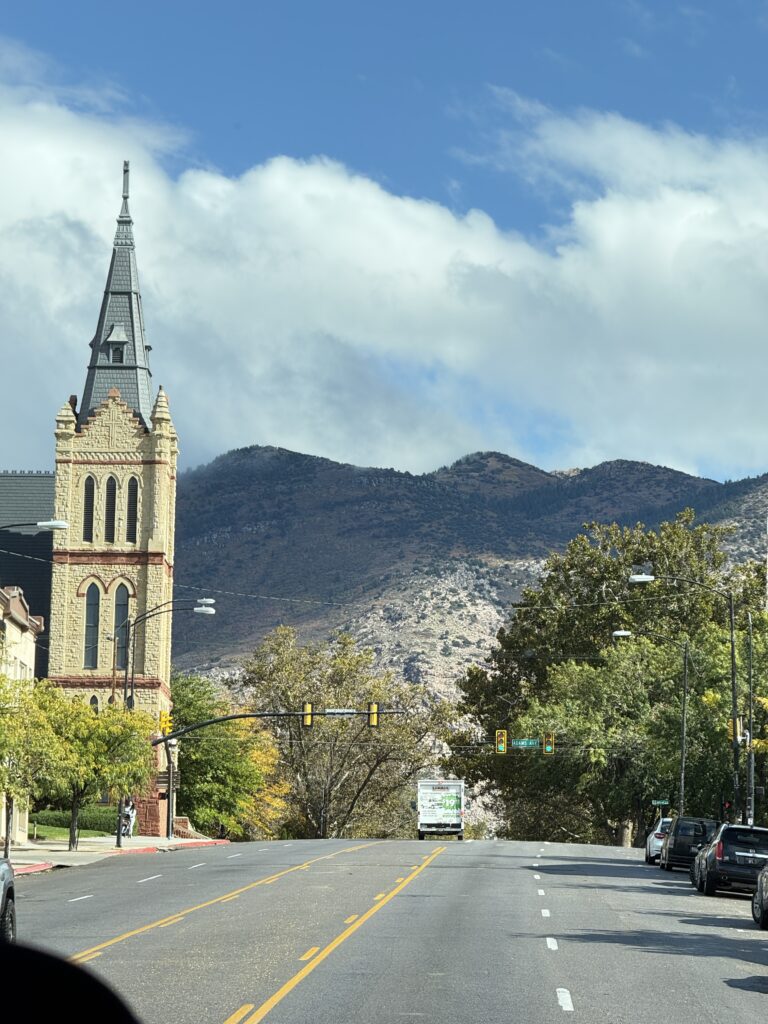
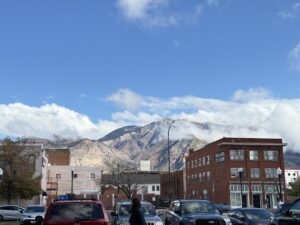
Next, attendees explored downtown Ogden, including the US Forest Service building and Historic 25th Street. Originally 5th Street, it became 25th Street in 1889 and has long been a focal point for commerce and culture due to its proximity to Union Station. The historic buildings and the history of 25th Street continue to attract local patrons. Today, it features restaurants, galleries, retail shops, and hosts community events like farmers’ markets and car shows. It’s also home to the Ogden City Municipal Building and the Federal Courthouse.

WonderBlock

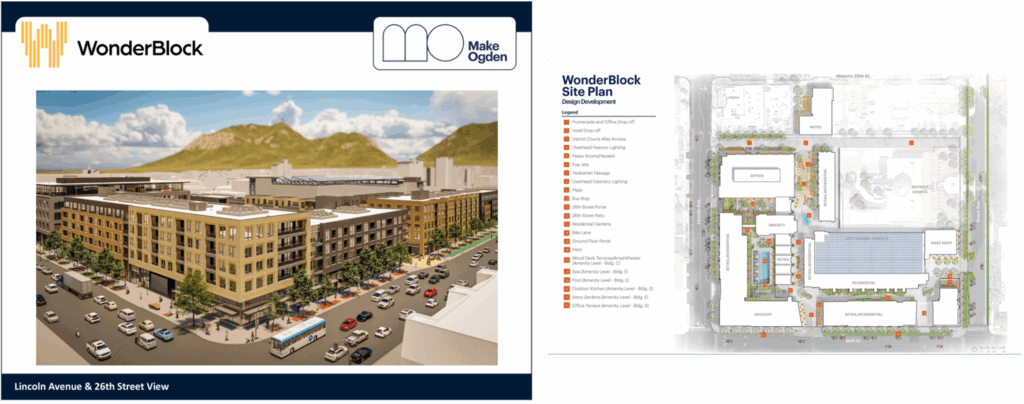
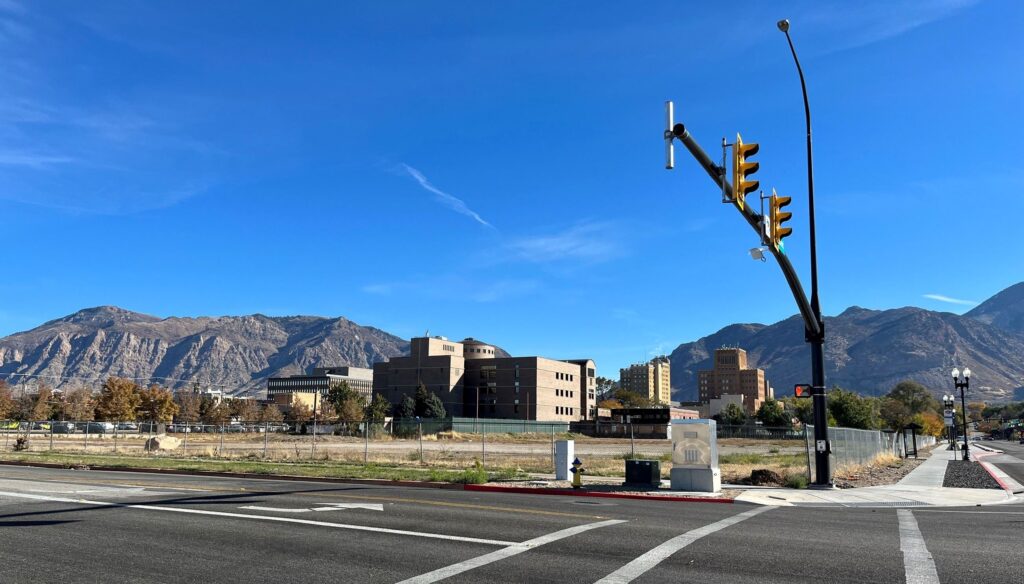
Visitors then visited WonderBlock, located on the former Wonder Bread factory site, is a transformative mixed-use project designed to create a vibrant sense of place. Spanning between 25th and 26th Streets, it will connect seamlessly to Historic 25th Street and include:

  • 354 residential units, high amenity, within walking distance of Arts/Culture/Events
  • Approximately 100,000 square feet of class A office space
  • Approximately 50,000 square feet of new retail space
  • Approximately 20,000 square feet of new grocery store space
  • Boutique Hotel
  • Curated public amenity space, including pedestrian pathways and public outdoor amenity spaces
  • Convenient public parking

The combination of residential, retail, office, food and beverage as well as hospitality will be connected via attractive public spaces that will support special events, ultimately, according to the WonderBlock promotional materials, “creating a unique sense of place that will draw people throughout the region.” All commercial and residential components of the Wonderblock will be owned and operated by the development partner, while the city retains ownership of the parking structures, ensuring ongoing tax revenue for the city.


Ogden’s urban character means that housing development will happen through infill development, making the best use of underutilized or vacant properties. WonderBlock complements and supports the city’s placemaking initiatives to attract more activity to downtown Ogden, including more residents, businesses and jobs, and increased walkability and public transportation and parking conveniences.

This project isn’t just about buildings; it’s about creating a sense of place as it connects seamlessly to Historic 25th Street and supports Ogden’s vision for a thriving, walkable downtown. This public-private partnership between J. Fisher Companies and the Ogden City Redevelopment Agency is a cornerstone of the city’s Make Ogden Master Plan, a 25-year roadmap for growth and prosperity which aims to transform vacant and underutilized parcels into thriving spaces that attract residents, businesses, and visitors while maintaining affordability.

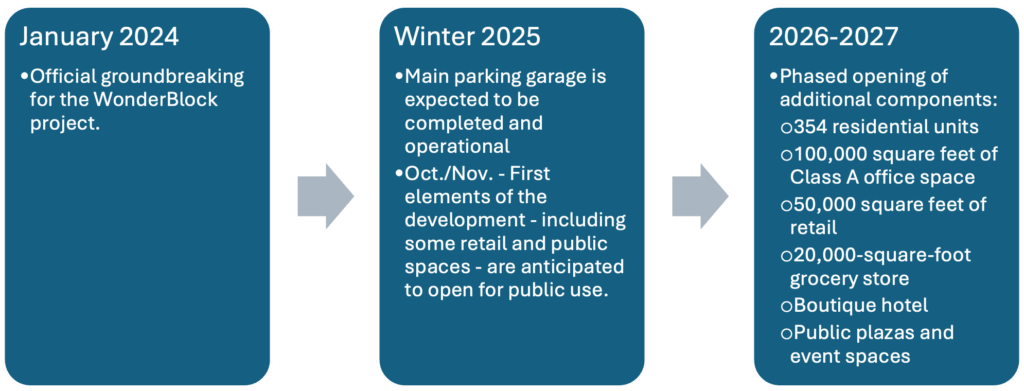
The opening timeline for WonderBlock is below:
Union Station

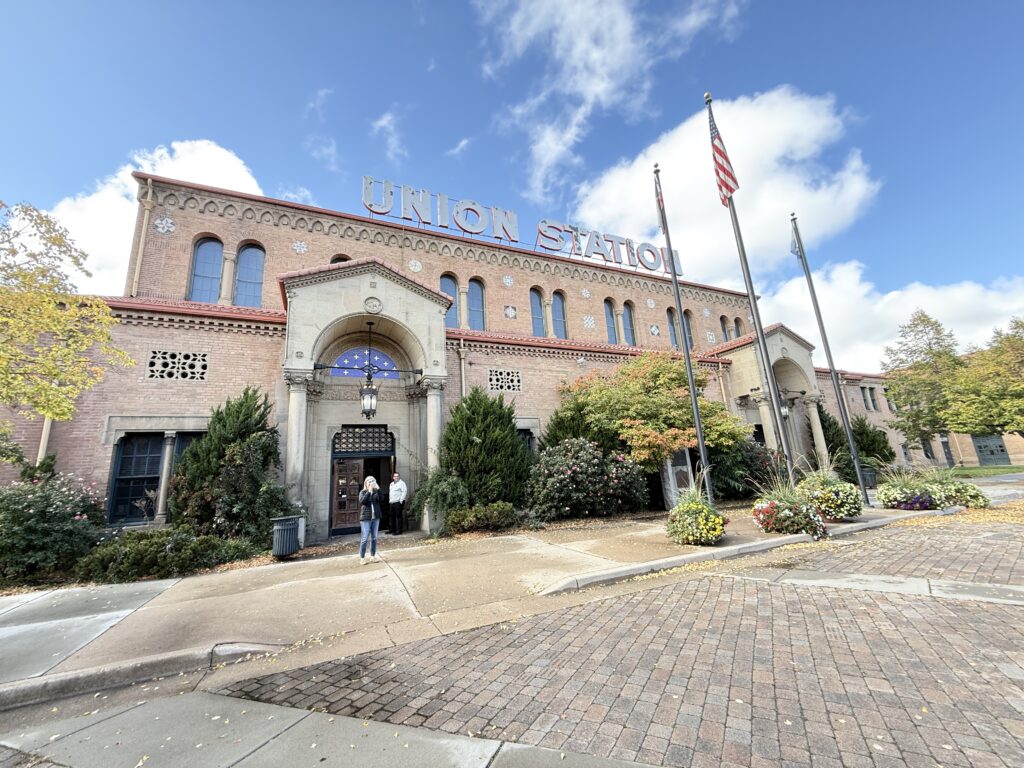
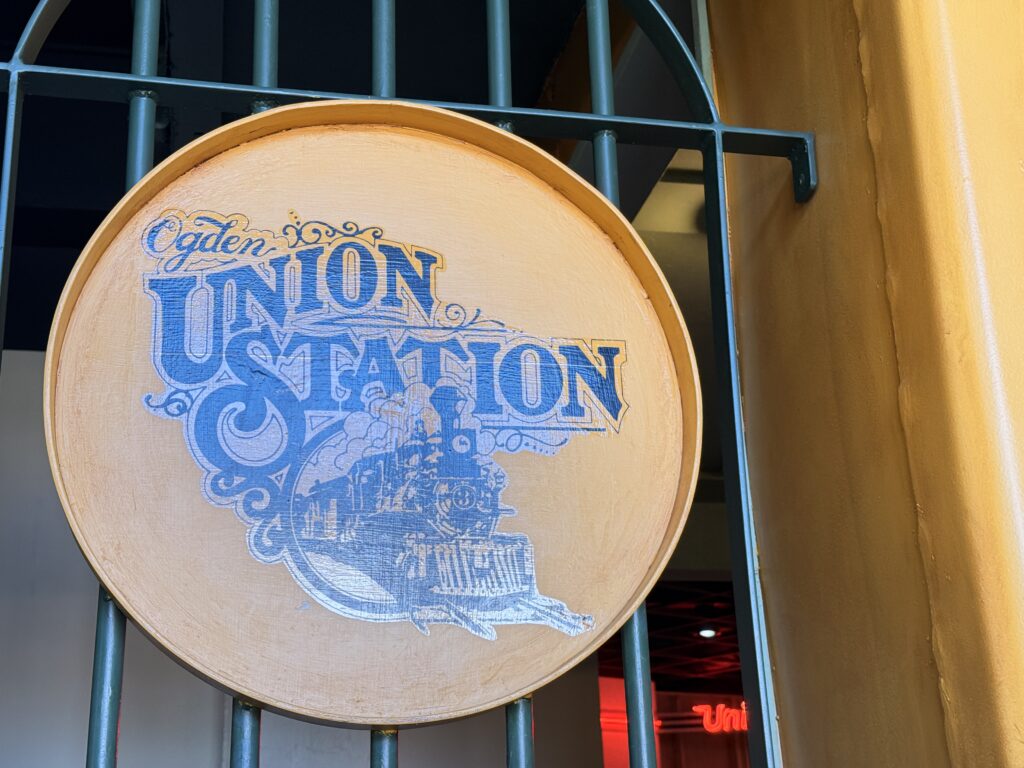
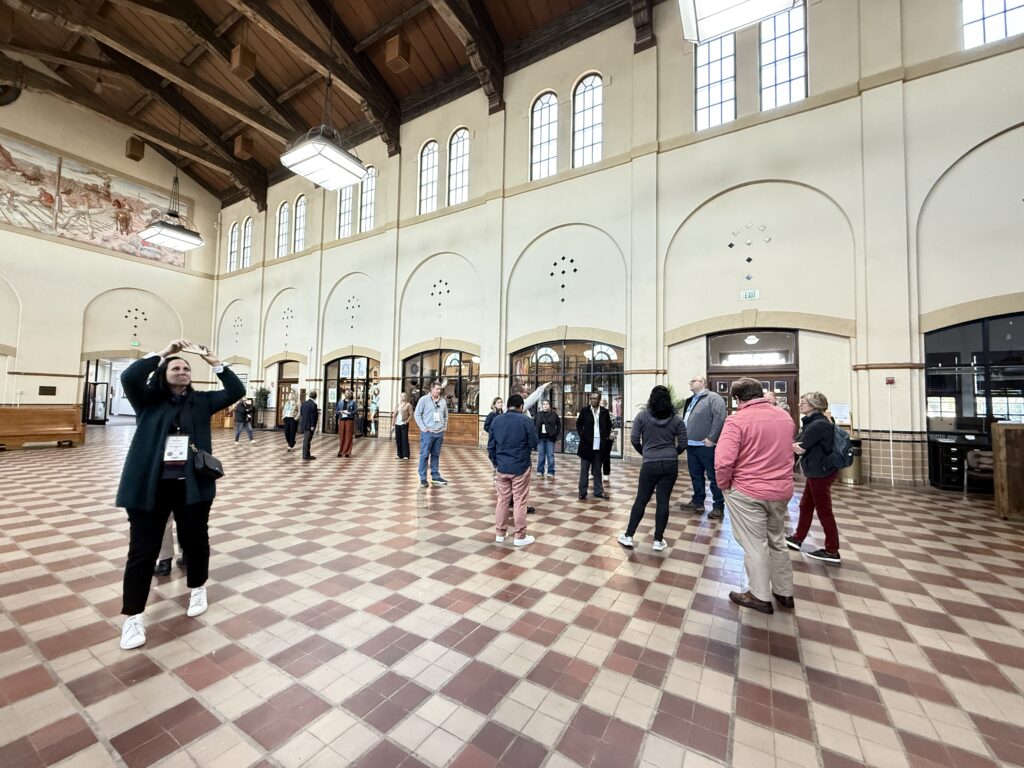
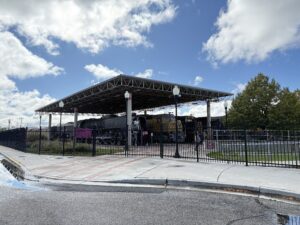
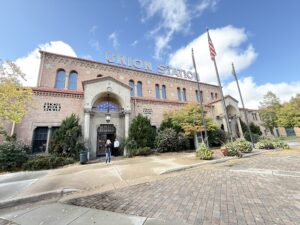
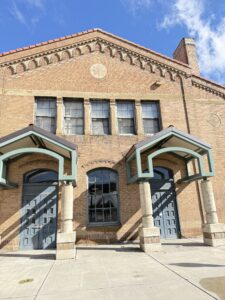
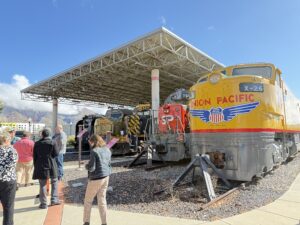
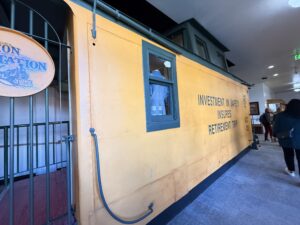
Finally, the tour concluded at Union Station.  No longer an active rail depot, the rebuilt station remains a cultural hub, housing museums dedicated to railroads, firearms, Western Heritage, and classic cars, along with art galleries and a research library.

The city plans to renovate Union Station to enhance its role as a transit hub, reintegrating FrontRunner commuter rail service, improving bus connections, adding parking, and creating pedestrian-friendly links to downtown.

Final Thoughts

Ogden’s story is one of resilience and reinvention. From its railroad roots to its modern-day renaissance, the city is proving that strategic investment and community vision can turn challenges into opportunities. Ogden is using wealth creation principles (leveraging assets, engaging partners, being responsive to demand) to inform this reinvention. With projects like WonderBlock and a commitment to placemaking, Ogden is building not just a downtown but a destination for locals and visitors alike.

This resource is offered through the Economic Development District Community of Practice (EDD CoP), managed by the NADO Research Foundation to build the capacity of the national network of EDDs. To learn more, visit: www.nado.org/EDDCoP. The EDD CoP is made possible through an award from the U.S. Economic Development Administration, U.S. Department of Commerce (ED22HDQ3070106). The statements, findings, conclusions, and recommendations in this resource are those of the author(s) and do not necessarily reflect the views of the U.S. Economic Development Administration or the U.S. Department of Commerce.

Search NADO.org