Longest Government Shutdown in U.S. History Ends After 43 Days
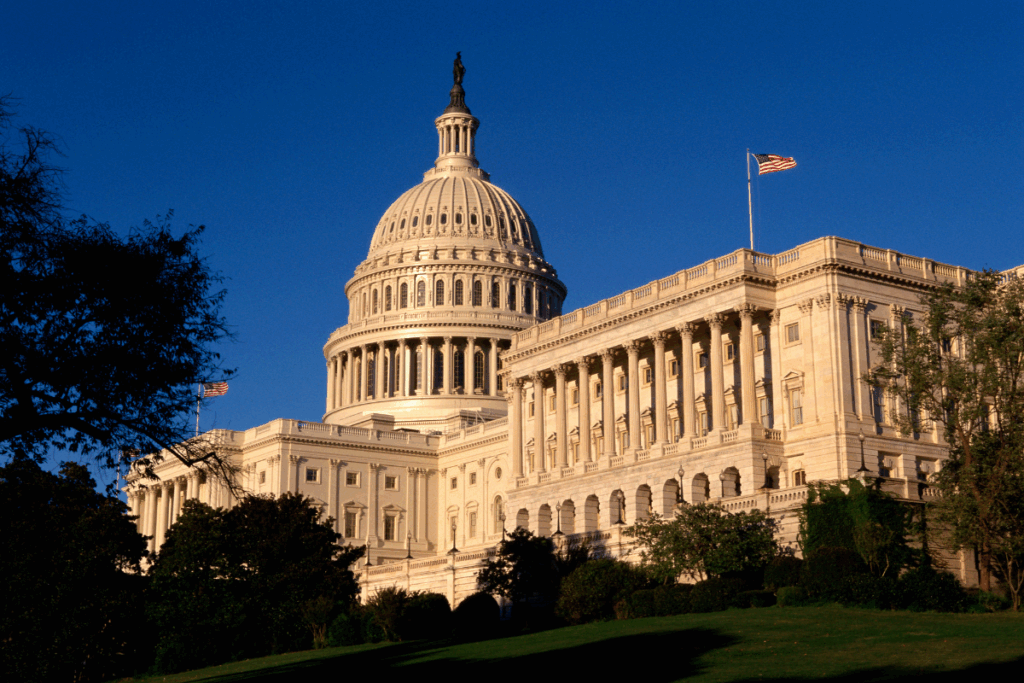
On November 12, President Trump signed into law a stopgap funding package, formally ending the 43-day government shutdown that began on October 1.

On November 12, President Trump signed into law a stopgap funding package, formally ending the 43-day government shutdown that began on October 1.

As of October 1, the federal government has officially entered a shutdown following Congress’s failure to enact annual appropriations legislation before the end of the fiscal year on September 30, 2025.

On September 16, the U.S. Economic Development Administration (EDA) released their Fiscal Year (FY) 2025 Public Works and Economic Adjustment Assistance (PWEAA) Notice of Funding Opportunity (NOFO). This update, the first since October 1, 2024, was to “specify EDA’s updated investment priorities and to make other technical changes.”

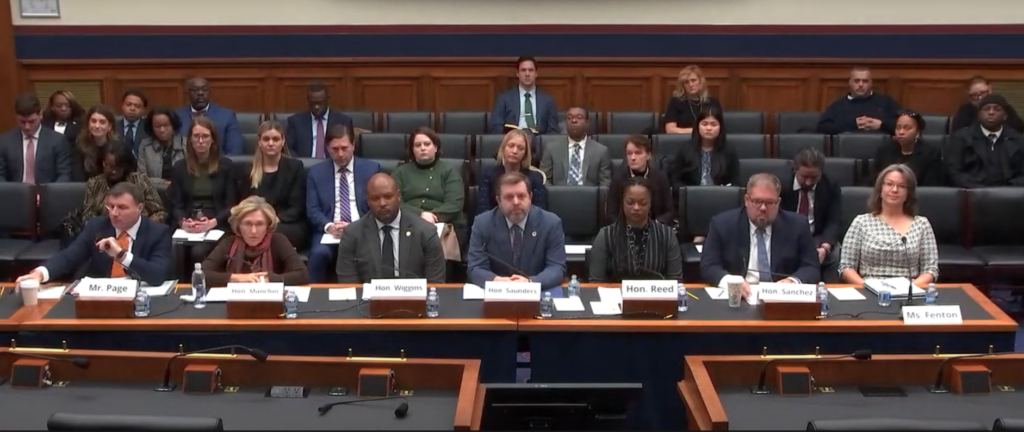
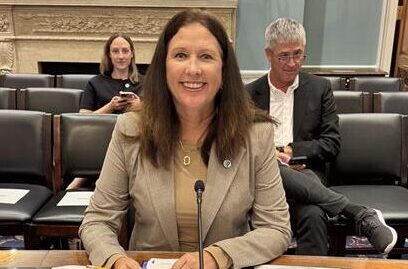
On Thursday, September 18, Lynne Keller Forbes, President/CEO of the South Eastern Council of Governments (SECOG) and Past President of NADO, participated in a congressional hearing convened by the House Agriculture Committee’s Subcommittee on Commodity Markets, Digital Assets, and Rural Development.

On behalf of the National Association of Development Organizations (NADO), we are proud to join in celebrating the 60th anniversary of the U.S. Economic Development Administration (EDA). For six decades, EDA has played a vital role in advancing economic opportunity, building resilient communities, and fostering regional innovation across the United States.

On August 12, the U.S. Departments of Labor, Commerce, and Education have released a coordinated national workforce strategy designed to align training programs with current labor market needs and technological changes.

On August 7, 2025, President Trump signed an Executive Order (EO) titled “Improving Oversight of Federal Grantmaking,” which directs federal agencies to strengthen oversight over the discretionary grant process to ensure grants advance American interests, reflect presidential priorities, and eliminate funding for activities deemed inconsistent with those values.

On July 29, the Senate Banking, Housing, and Urban Affairs Committee held a markup of the bipartisan Renewing Opportunity in the American Dream (ROAD) to Housing Act of 2025, and passed it out of committee unanimously 24-0. This was the first time in over a decade that Senate Banking held a markup on a housing package.

As August recess approaches, Congress continues to work through the annual appropriations process for Fiscal Year (FY) 2026. While some progress has been made, there is still a long road ahead to avoid a government shutdown and ensure stable funding for key federal programs.

On June 4, the U.S. Economic Development Administration (EDA) announced the Notice of Funding Opportunity (NOFO) for their Fiscal Year (FY) 2025 Disaster Supplemental Grant Program. With approximately $1.45 billion in available funding, the program is designed to support a wide range of economic recovery efforts in disaster-affected areas, helping localities not only recover but also transform their economies for long-term resilience.