Downtowns bring vitality to rural, suburban, and urban communities alike. They serve as central places where people can shop, gather, and connect, fostering a strong sense of community for residents while also creating a welcoming atmosphere for visitors. Beyond their economic role, downtowns are typically the social and cultural heart of a community. They provide spaces for interaction and connection, while also reflecting local history and identity, often holding important historical and cultural significance.
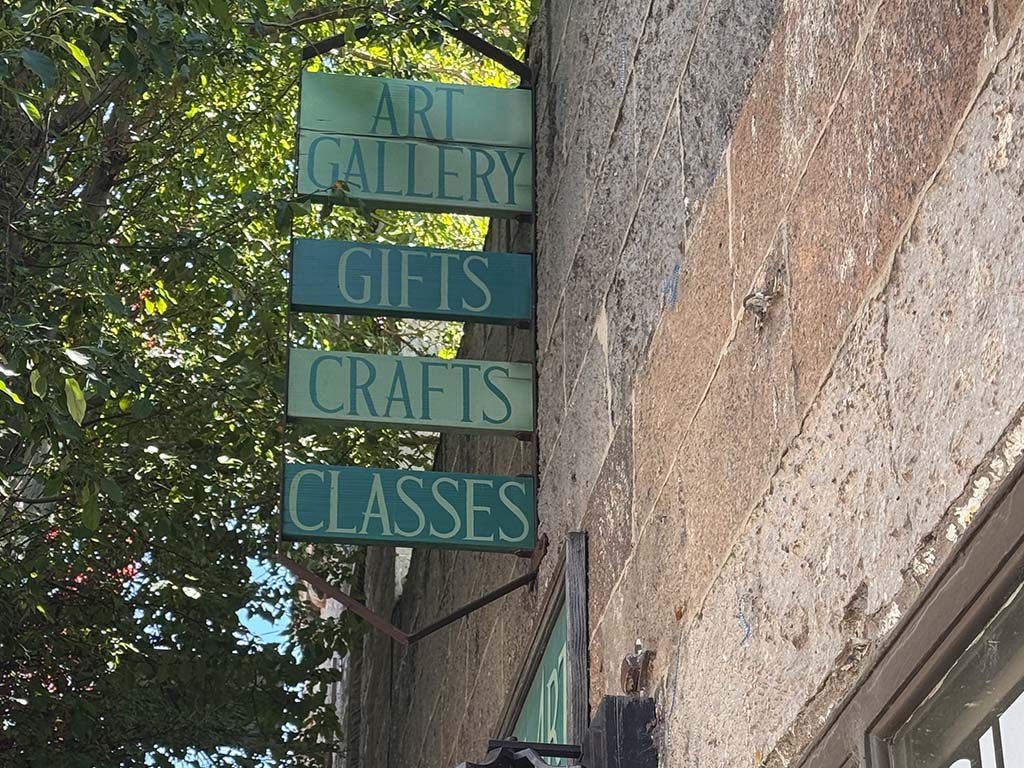
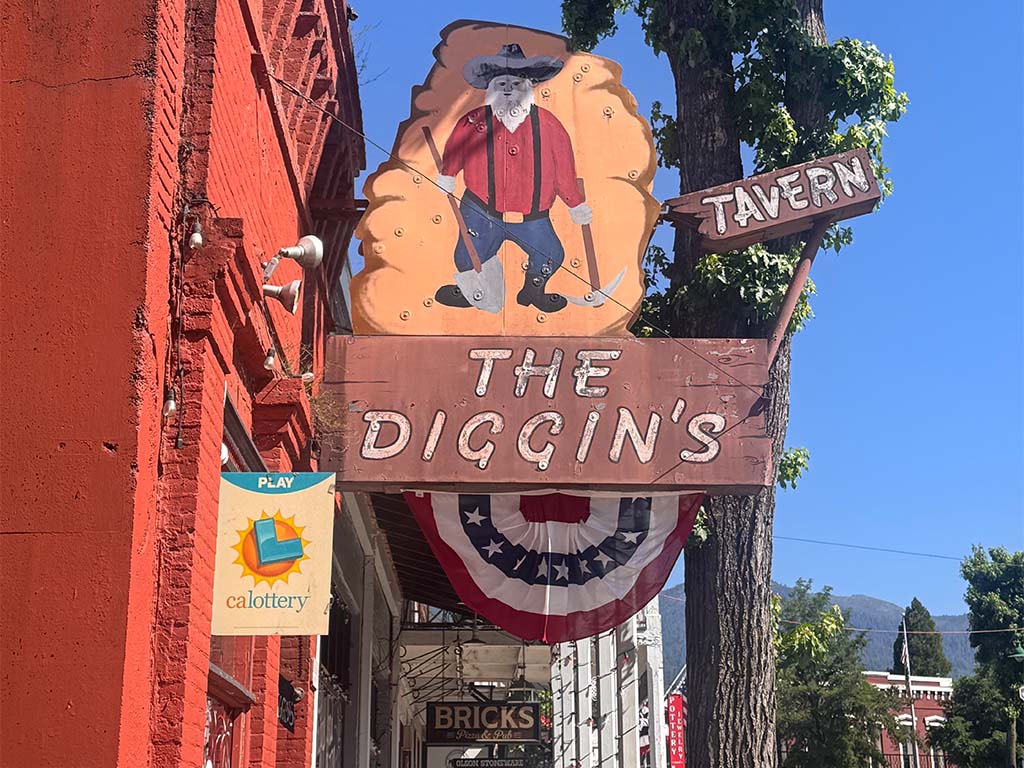
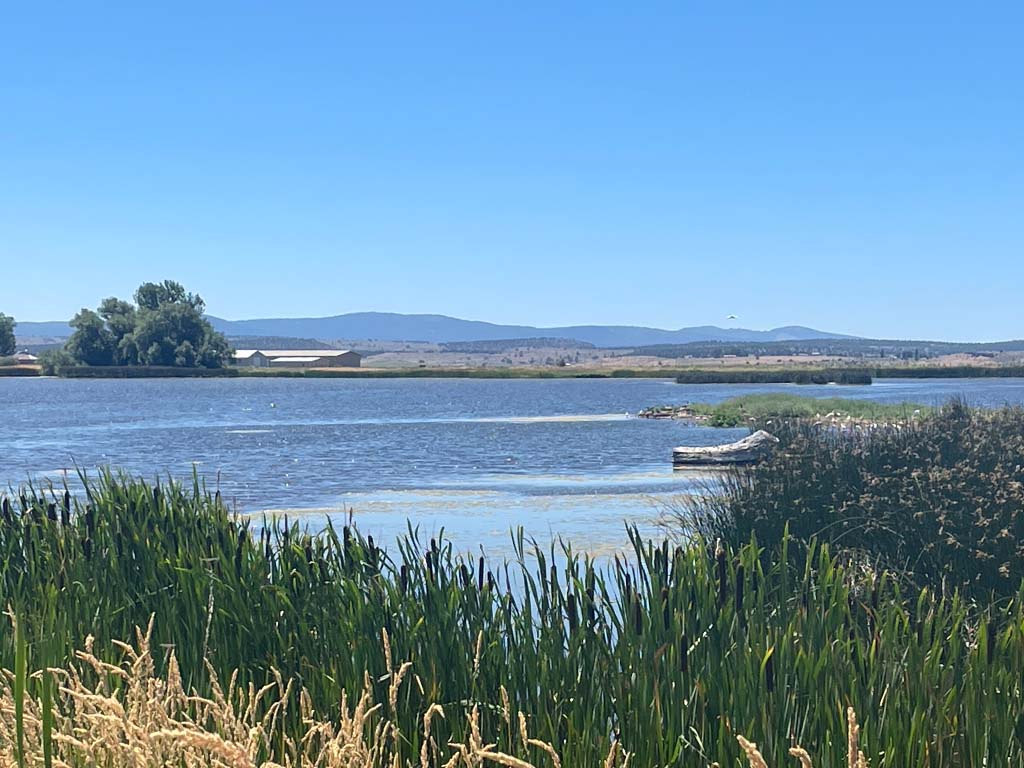
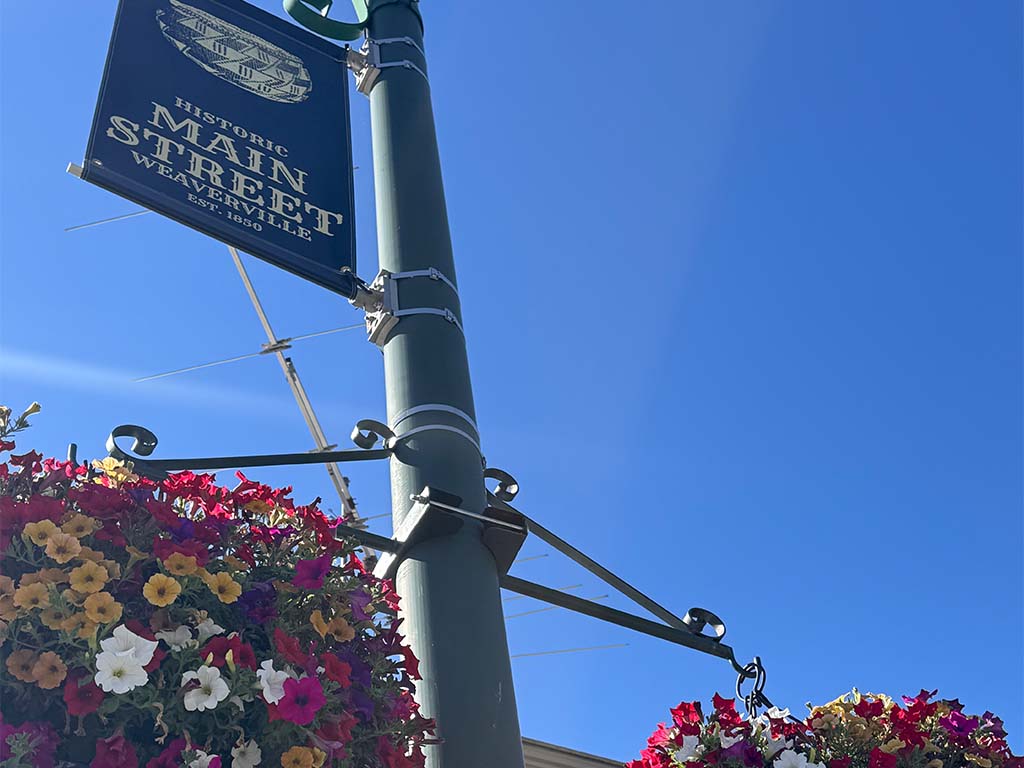

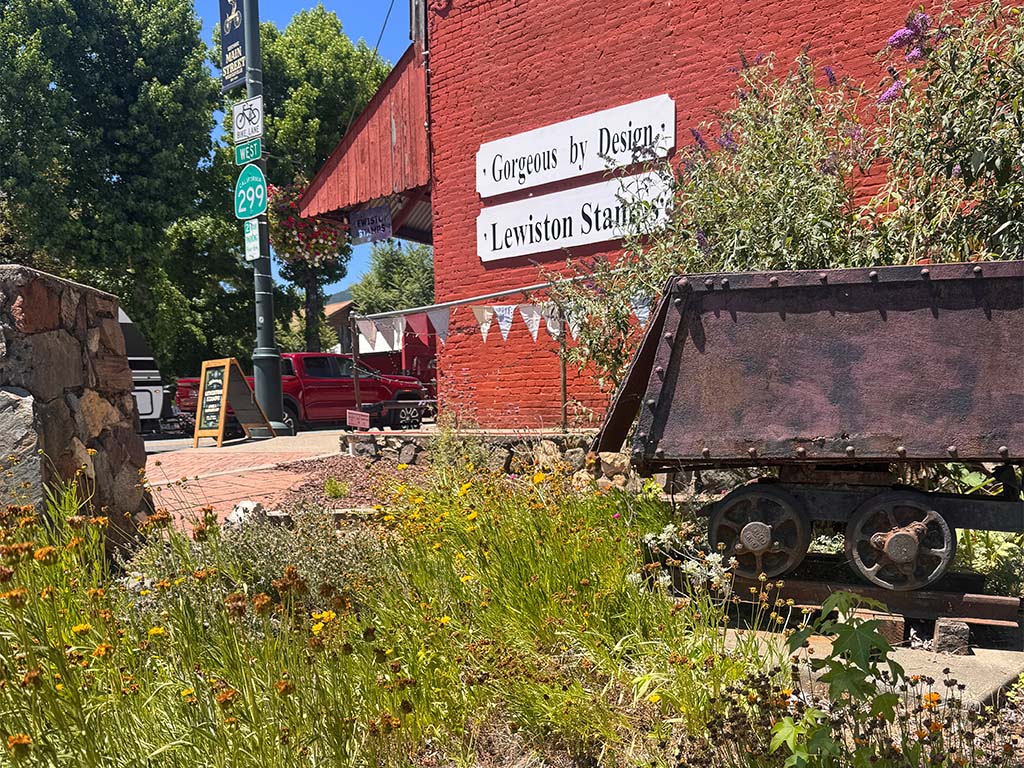


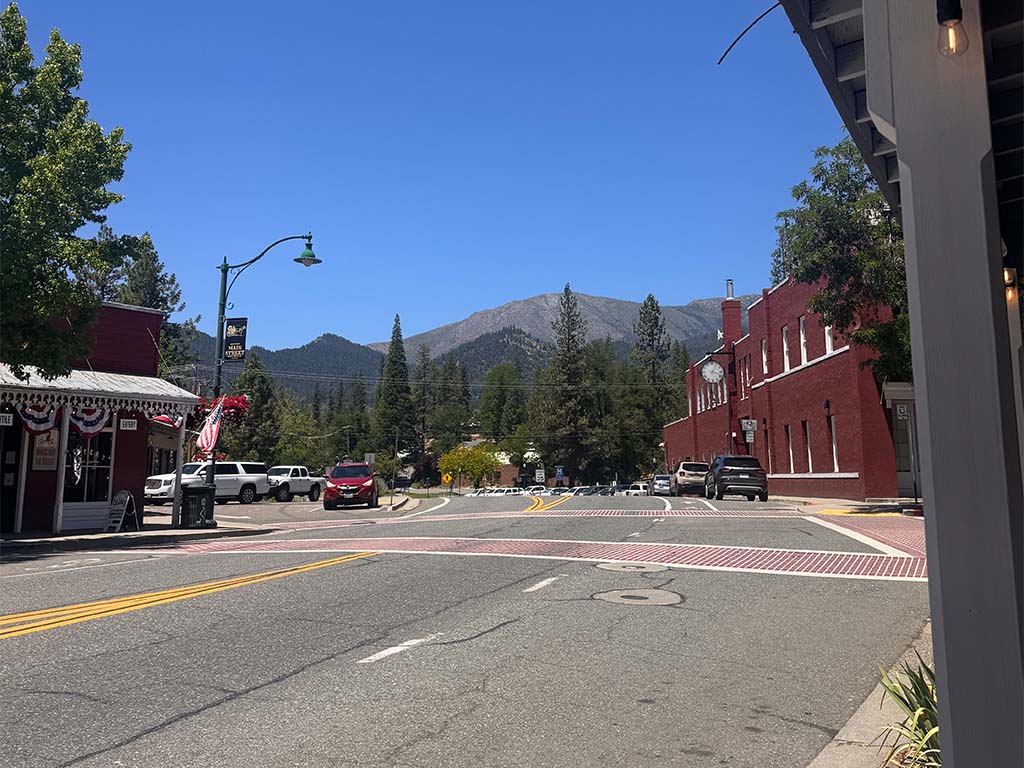
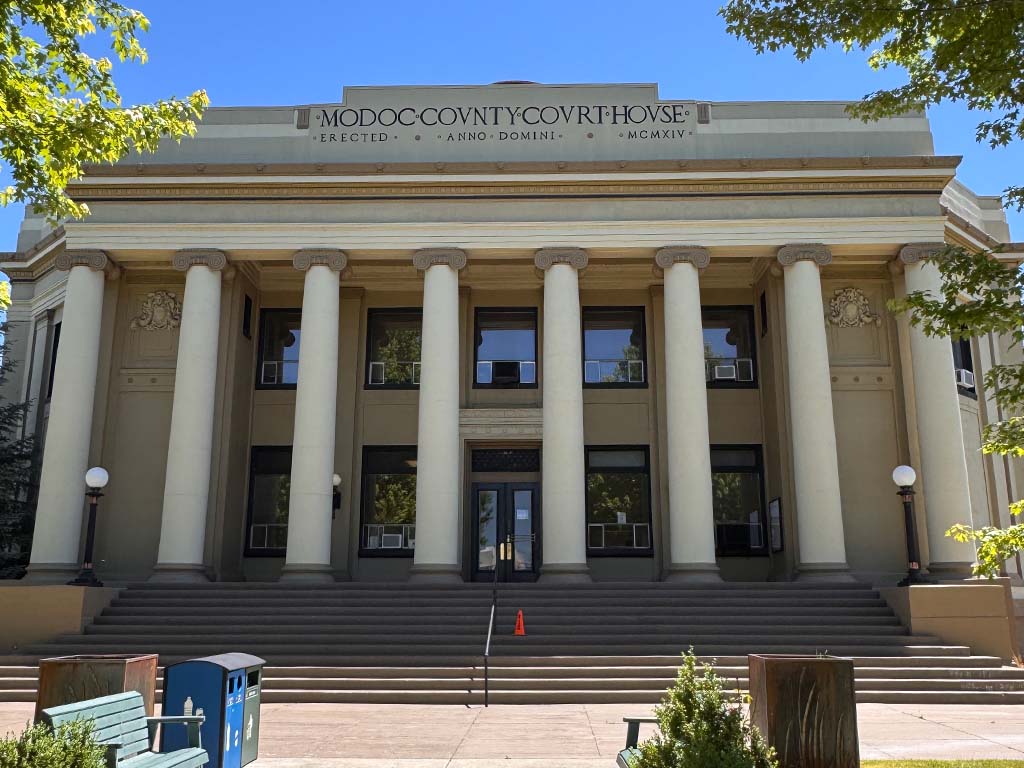

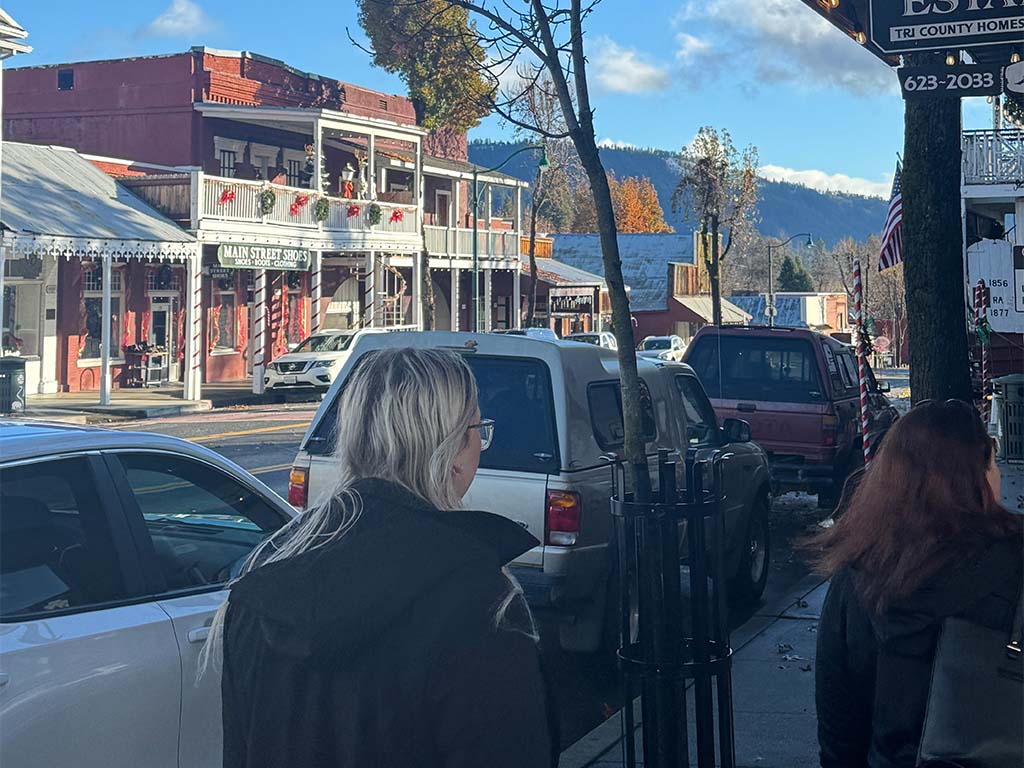
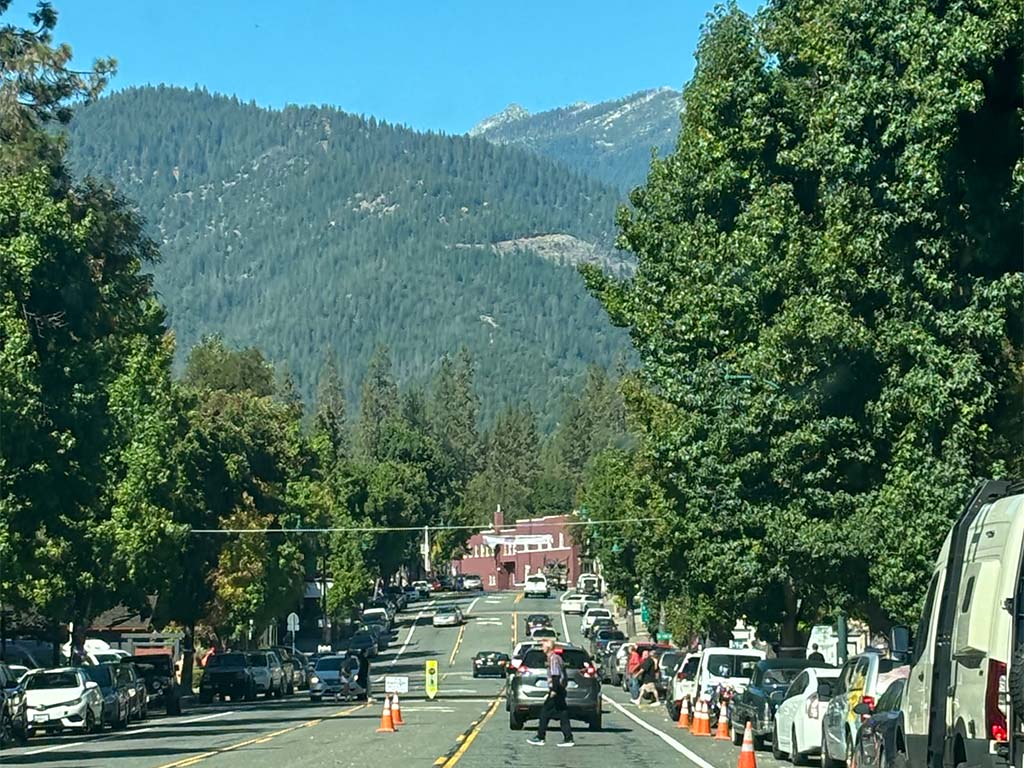
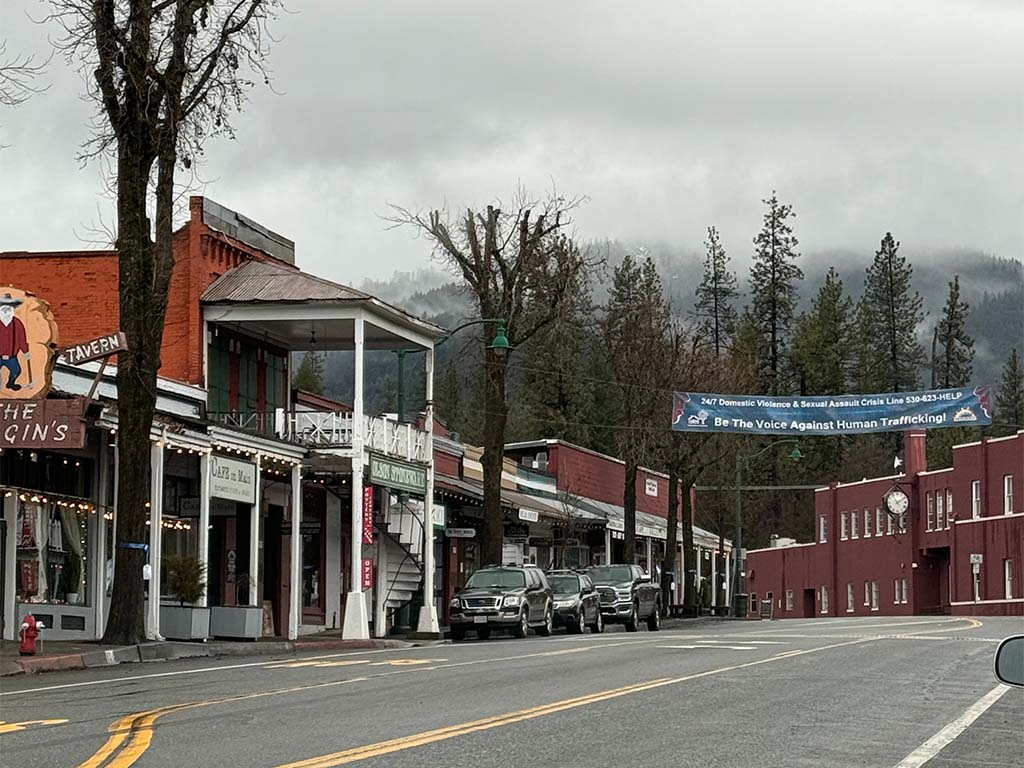
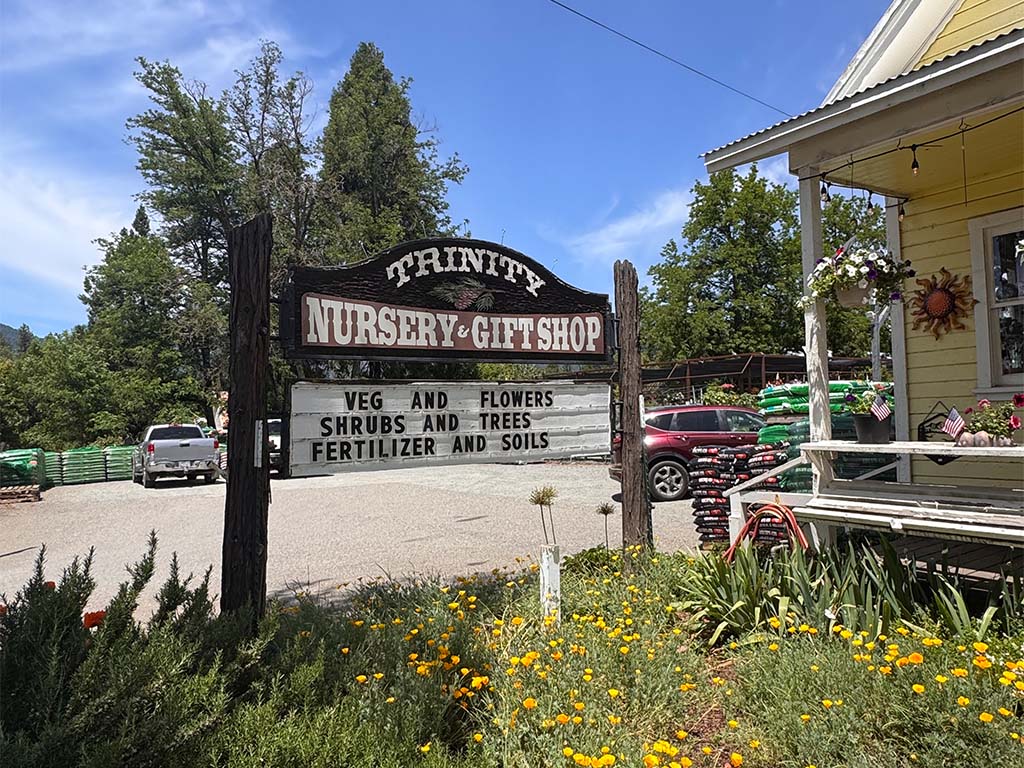
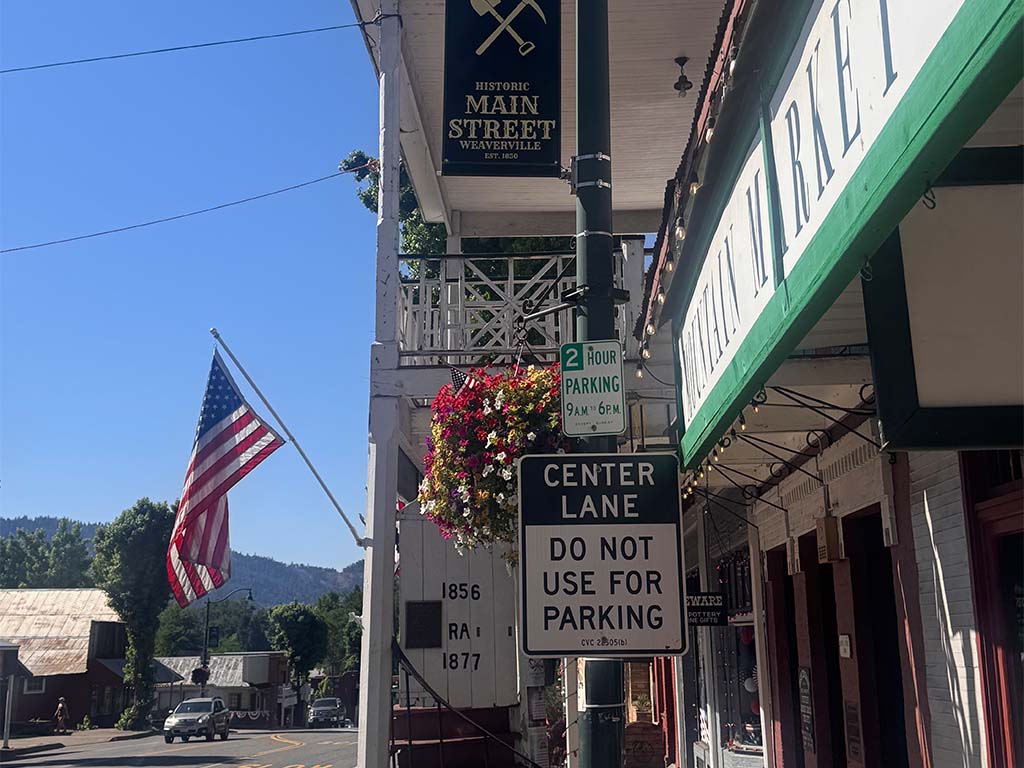
However, maintaining a vibrant downtown can be difficult, especially in rural regions facing challenges such as youth outmigration; the growth of big-box and dollar stores and online shopping; and the need to sustain essential services. Consumers have expectations of being able to buy everything they need in one place. What this looks like in some rural downtowns is vacant storefronts, inadequate signage and wayfinding, lack of activity, and lack of options.
Quality of life in rural communities, however, directly influences business success and overall economic growth. A vibrant downtown or commercial district plays a vital role in this, serving as a hub for entertainment, civic activity, and commerce. It strengthens community identity and pride, fosters connection and cohesion among residents, and creates a strong sense of place. In addition, thriving downtowns can attract visitors, project a positive image that helps draw in investment, and support local economies by creating jobs, encouraging small businesses, generating retail activity, and contributing to property and sales tax revenue.
This region of northern California, north of Sacramento and bounded by the state of Oregon to the north and the state of Nevada to the east, encompasses 13 counties: Del Norte, Siskiyou, Modoc, Shasta, Trinity, Humboldt, Mendocino, Lake, Glenn, Butte, Sutter, Yuba, and Tehama.
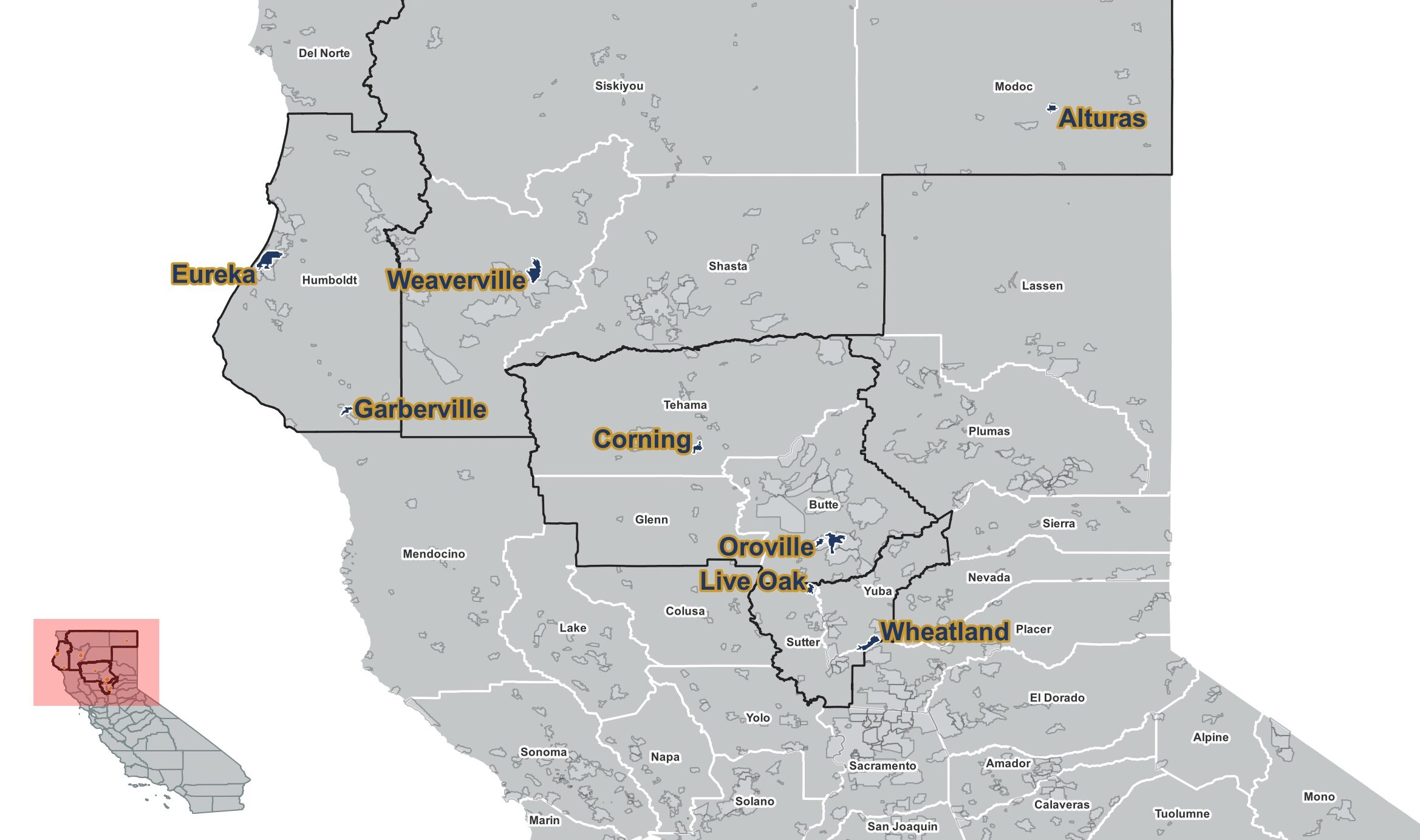
Eight communities were chosen to participate in the project. These included:
The communities vary in population from just under 2,000 to over 25,000. Not all solutions will be appropriate for all these communities.
This research and the recommendations that emerge from it depend on a few key principles for rural downtown revitalization.
1. Assessment Process. The first step is assessing not only what the community has but to look critically at what they’re currently doing and what those activities and strategies are producing. The process should repeat on a regular basis, by assessing weaknesses, identifying opportunities, and planning for improvements.
2. Asset-based approach. Every place has assets and special characteristics that set it apart from others. The wealth creation approach is a useful framing for what constitutes an asset and acknowledges both tangible and intangible assets.
3. Keeping wealth local. Communities should consider how their downtown revitalization work supports local wealth of all kinds, building on existing assets, supporting local entrepreneurs, etc. When individuals and businesses spend money locally, it increases the multiplier effect, generating additional economic activity within the community.
4. Collaboration is key. Successful downtown revitalization depends on relationships and collaboration. Partners, leadership, and networks are key to planning and achieving shared priorities.
5. Start small with quick wins. Incremental downtown revitalization focuses on bottom- up, small-scale investments rather than massive, expensive master plans. It may consider improving walkability, fostering local entrepreneurship, and creating resilient community spaces layer by layer, building momentum through “quick wins.” Starting small is also a way to practice collaborating, so networks and partnerships are built for the larger changes.
6. Focus on a growth mindset. Communities can be stuck in a fixed mindset, in which they learn to view their identity as a static situation – “we’ve always been this way.” This keeps them from making progress. It is important for communities to cultivate a growth mindset, treating its potential as something that can be developed through shared effort and collaboration.
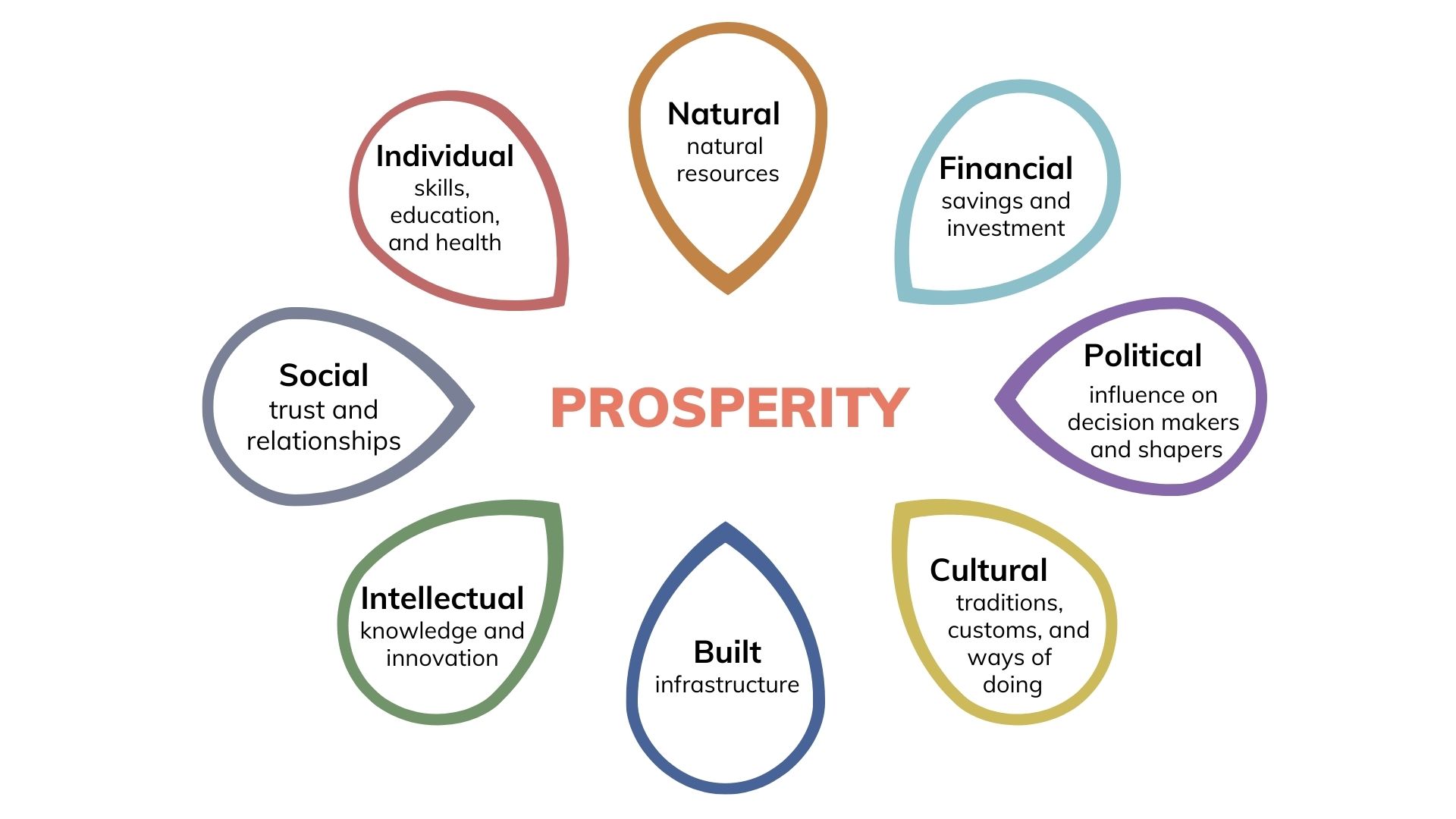

In this initial phase, not only should stakeholders be identifying tangible and physical resources like buildings, businesses, infrastructure, and other facilities in the built environment; available equipment, collateral materials, and financial resources; but also, intangible assets, such as human and social capital.

Needed information may exist in many offices and locations and could require interaction with multiple individuals and groups. Once core information is gathered and disseminated, follow-on support activities can be completed, for example evaluating enforcement policies and outcomes, reviewing zoning ordinances, visually inspecting non-compliant properties, interviewing property owners and business operators, observing activity, analyzing events, conducting surveys, interviewing officials and staff, and reviewing available data.

Once information has been assembled and evaluated, strategies can be formulated for action. Targeted efforts can be organized by the level of effort required from low to medium and high levels of energy needed. The general goal is to begin making incremental changes based on what has been learned to date.
As programming is implemented, stakeholders can immediately begin observing the effectiveness and determine whether a scaling up or down of effort is needed, if additional resources are required, if additional partners should be engaged, or if any other noted adjustment would improve performance. Changes to programming can be deployed as soon as possible.
At this point, the stakeholders will return to a state of assessment and work through the steps again. This is an ongoing and iterative process and maintaining a state of constant gradual improvement is key. Success will depend on the ability of a community to perpetually be in a state of seeking improvement with the will to persist.
Funded by Wells Fargo and led by the California Finance Consortium (CFC), the Reviving Rural Downtowns: A Rural California Downtown Playbook project worked with two communities from each organization’s region (eight total), conducted downtown environment scans, and developed a replicable toolkit and training for local champions to move projects from vacancy to vitality.
The California Finance Consortium (CFC) was formalized as a 501(c)(3) non-profit corporation in 2015 by a partnership of rural economic development organizations that had been informally collaborating for the previous 25 years. Two of the member organizations are also CDFIs, and three are designated Economic Development Administration (EDA) regional economic development districts. The four member organizations are:
The consortium helps its members deliver well-structured and reasonably priced capital to healthy, growing small and medium-sized businesses in underserved areas by purchasing participations in and assuming equal risk for loans underwritten and approved by member lenders that meet CFC participation guidelines. Consortium members also provide in-house technical assistance and/or connection to other business assistance providers in their communities.
An early grant from Wells Fargo helped founders execute the development phase of the CFC business plan.
The mission of California Finance Consortium (CFC) is to advance local enterprises in underserved areas, expand the economic output in their communities by linking these enterprises to capital, expertise, education, and other entrepreneurial support services, and to carry on other charitable activities associated with these goals as allowed by law.
Collectively, CFC members focus on identifying unmet credit and technical assistance needs in a complex rural geography with diverse populations, and on creating programs, products, and services to meet these needs.
With support from Wells Fargo, the Downtown Revitalization Playbook reflects a collaborative effort to help rural communities strengthen their downtowns, build local leadership capacity, and create opportunities for long-term economic growth and community vitality.
This project was led by the National Association of Development Organizations (NADO) with support from Morrison & Company Consulting, Inc.
The National Association of Development Organizations (NADO) is a 501c4 membership association that represents the interests of regional community and economic development practitioners. Established in 1967, NADO advocates for federal policies and programs that promote equitable community development, economic competitiveness, rural development, economic mobility, and quality of place. NADO represents a national network of more than 500 Regional Development Organizations (RDOs) across the country.
The NADO Research Foundation (NADO RF) is a 501c3 non-profit organization that provides technical assistance, education, research, and training to support and strengthen the national network of Regional Development Organizations (RDOs). Established in 1988, the NADO RF provides thought leadership, conducts research, and produces publications focused on promising practices and innovative approaches that promote regional community development.
Morrison & Company Consulting, Inc. was founded in 2002 and nearly 25 years later, serves a broad range of clients, including for-profit businesses, nonprofit organizations, public agencies, industry associations, and city and county jurisdictions nationwide. Morrison provides services across three primary practice areas: Business & Accounting Advisory, Grants, and People Solutions. Key aspects of Morrison’s services include feasibility studies; business and strategic planning; outsourced accounting and finance; financial modeling; competitive grant strategy, writing and administration; executive recruitment, organizational development, and strategic facilitation.