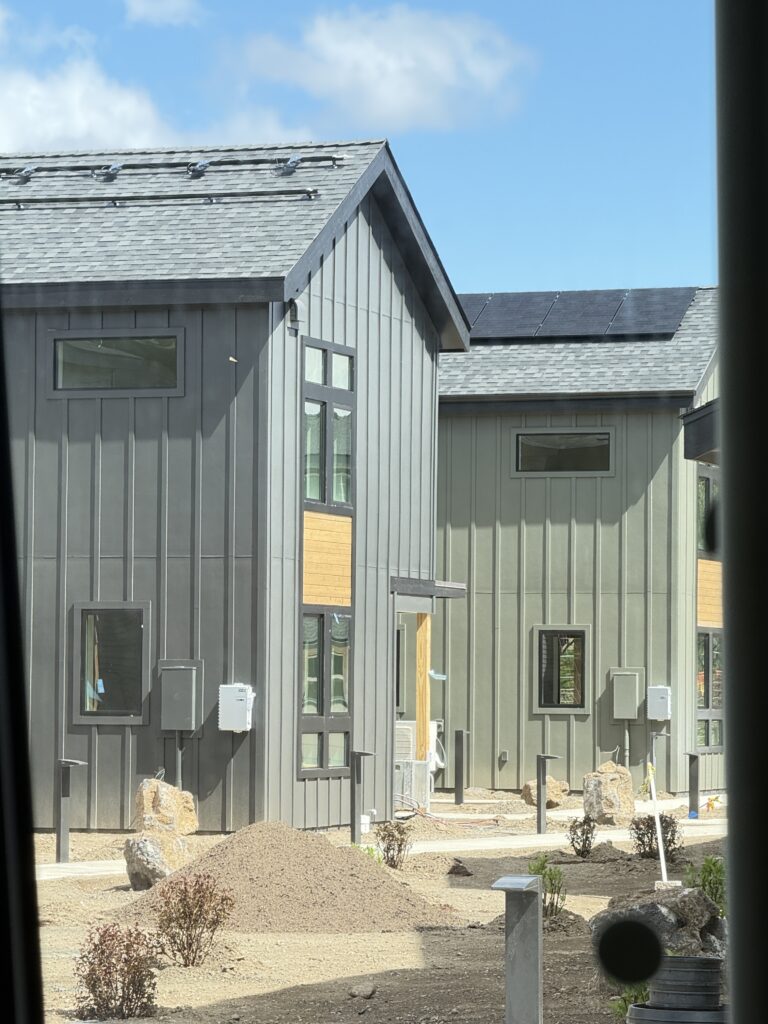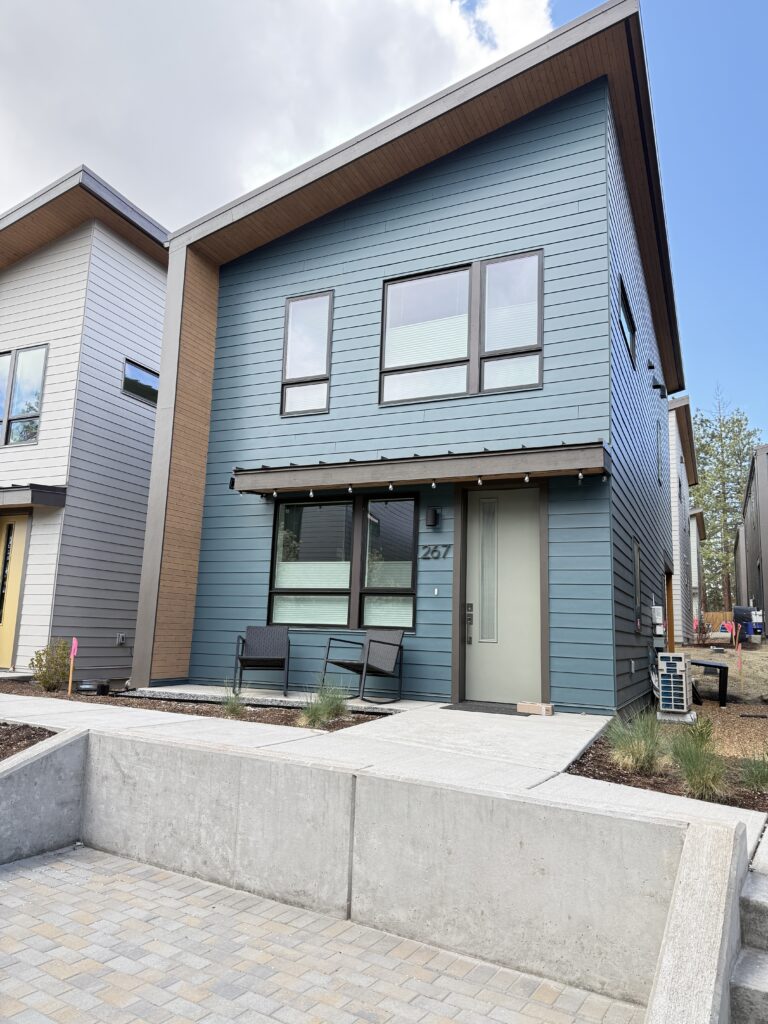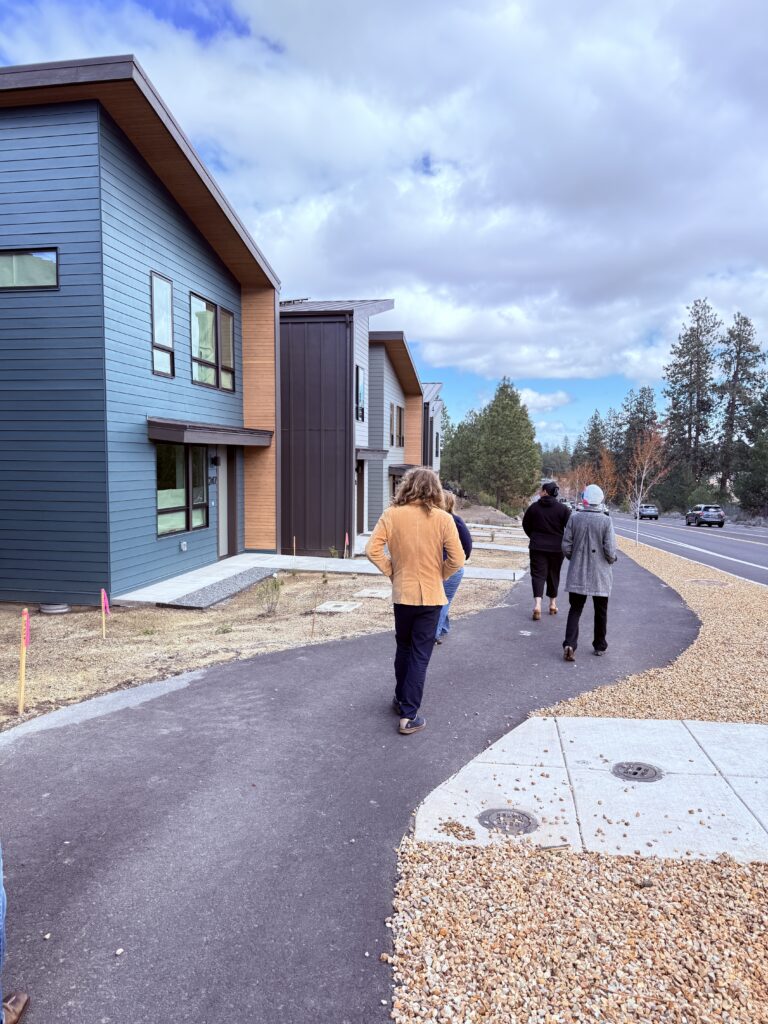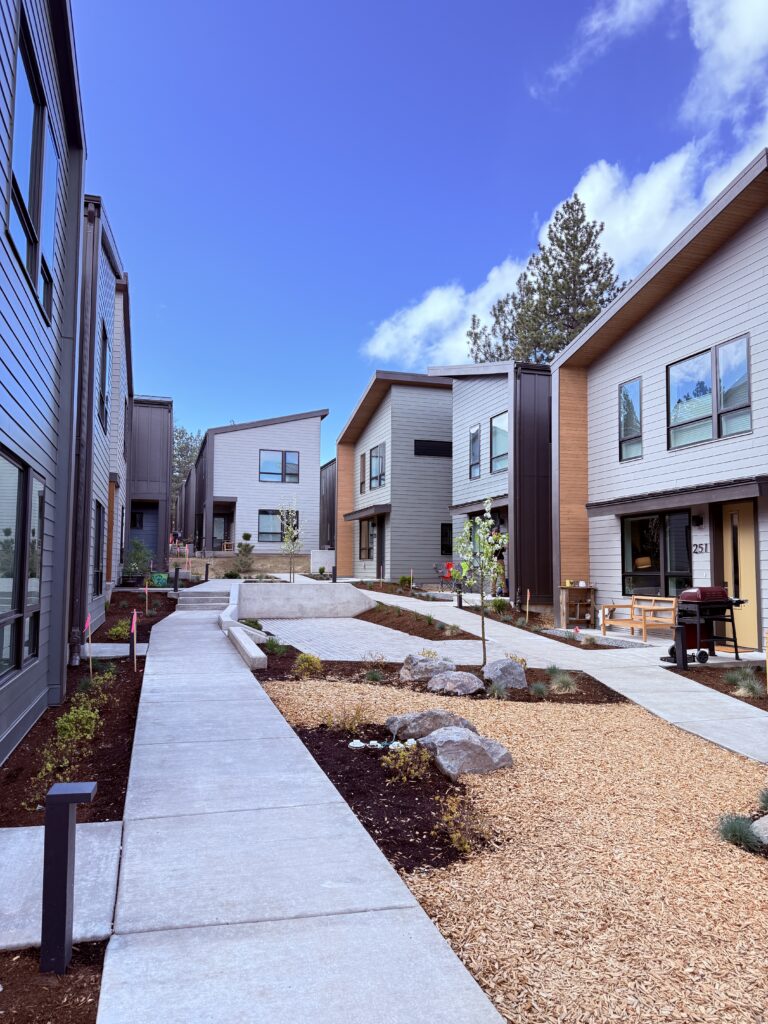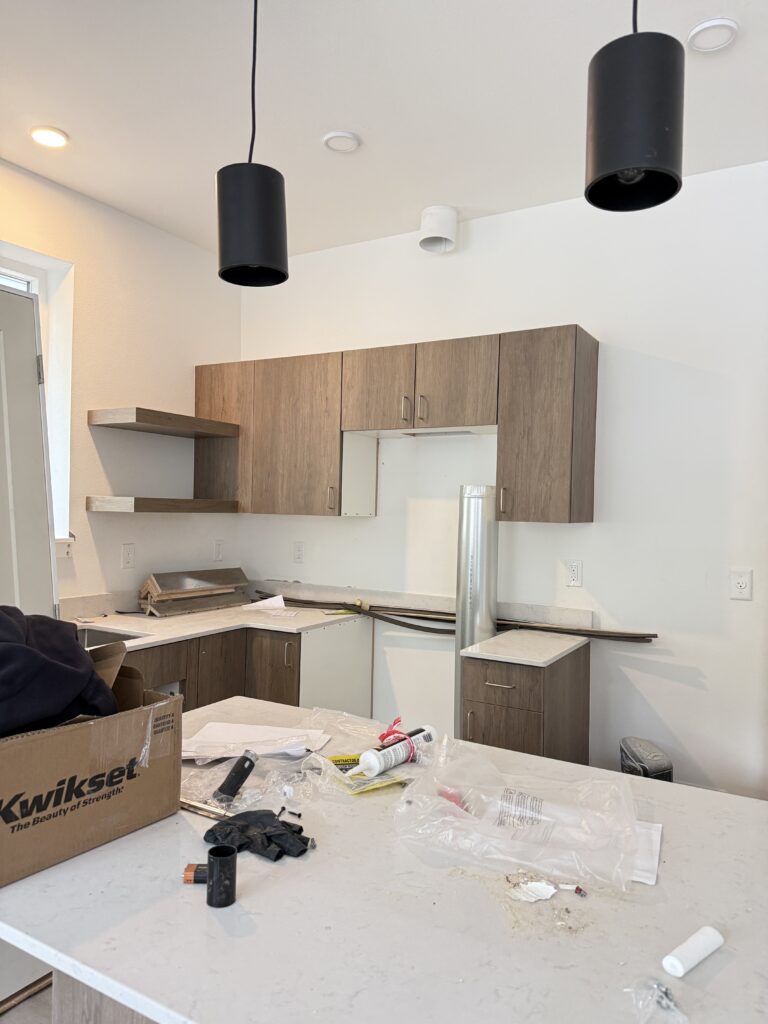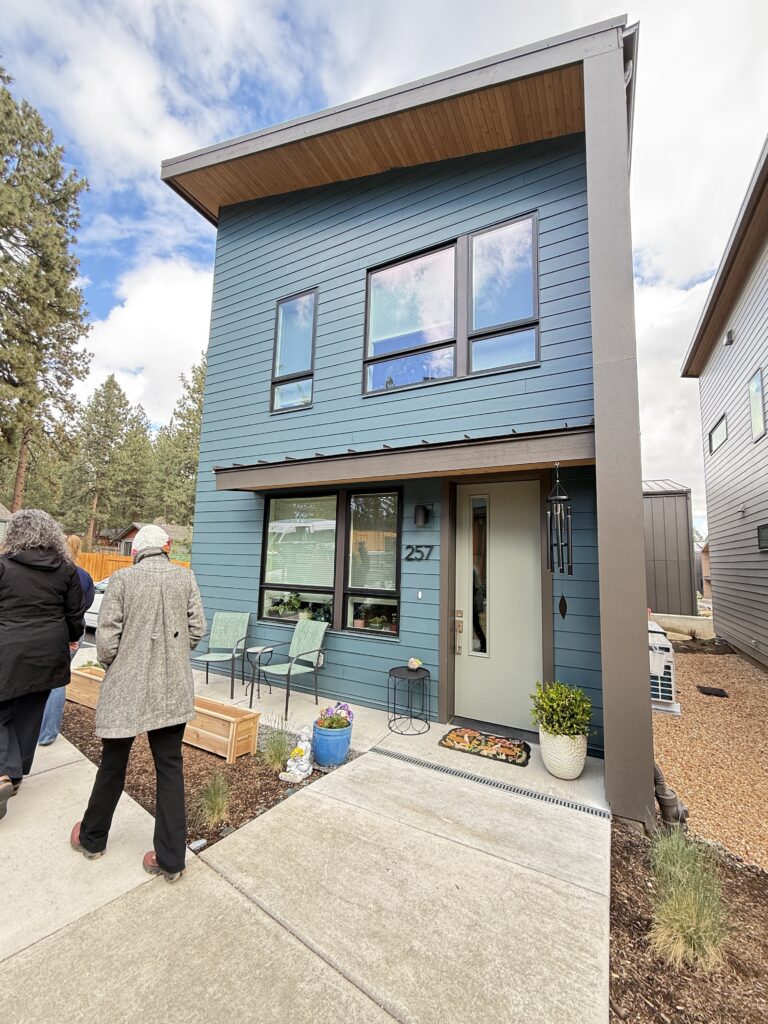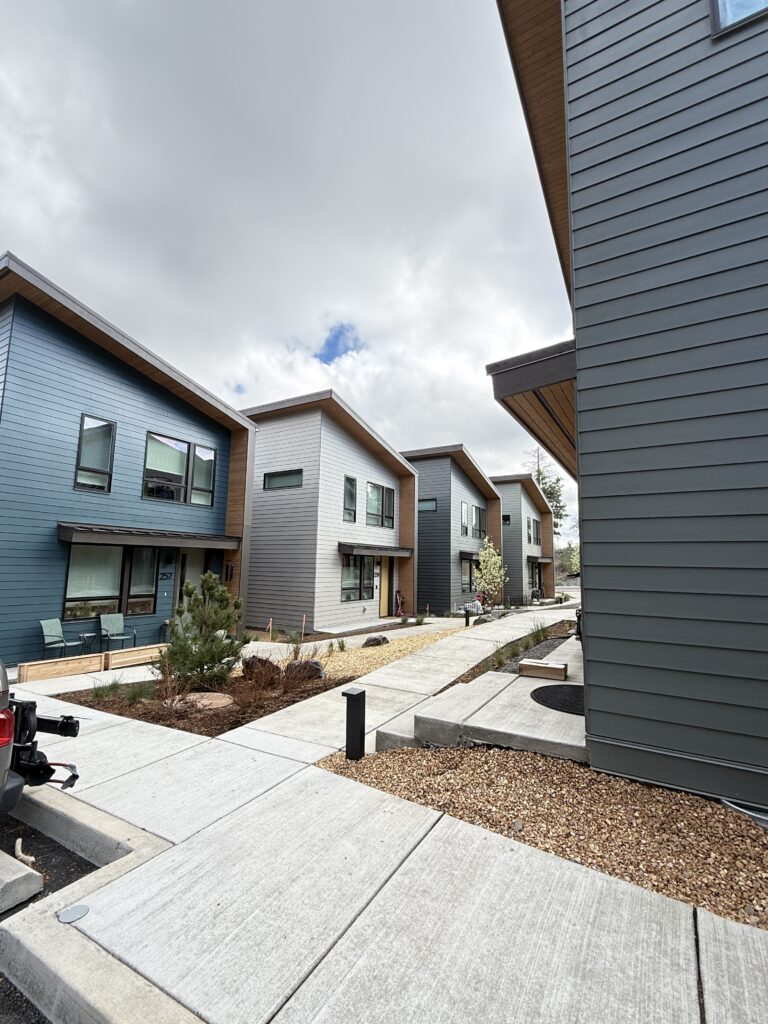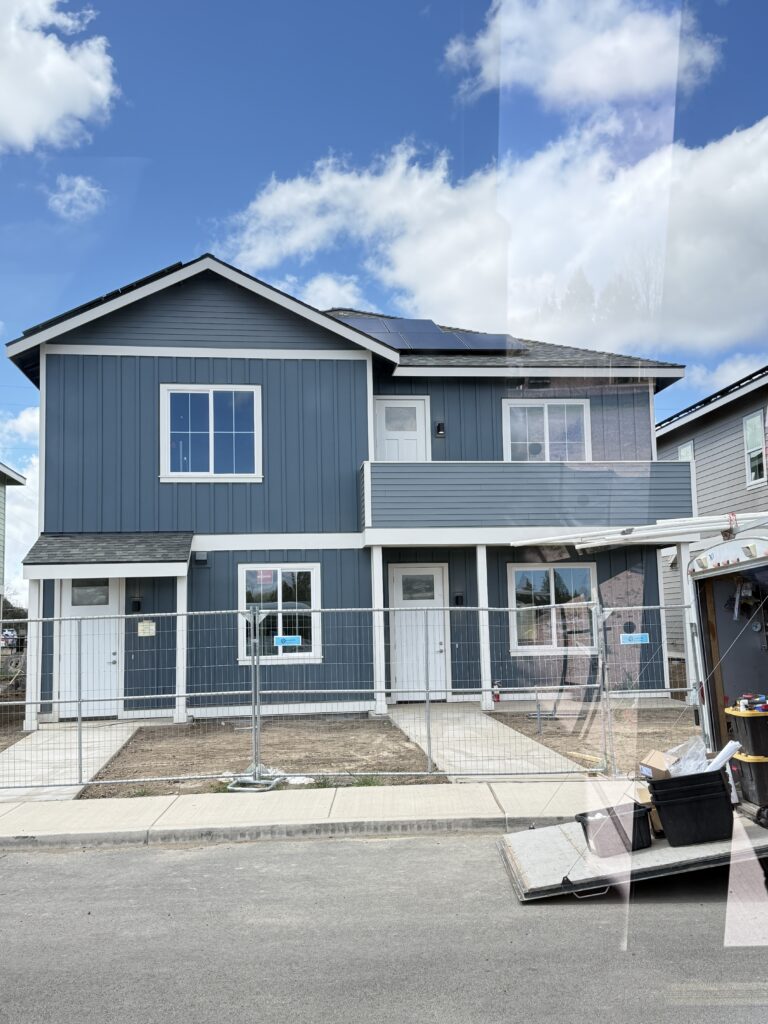
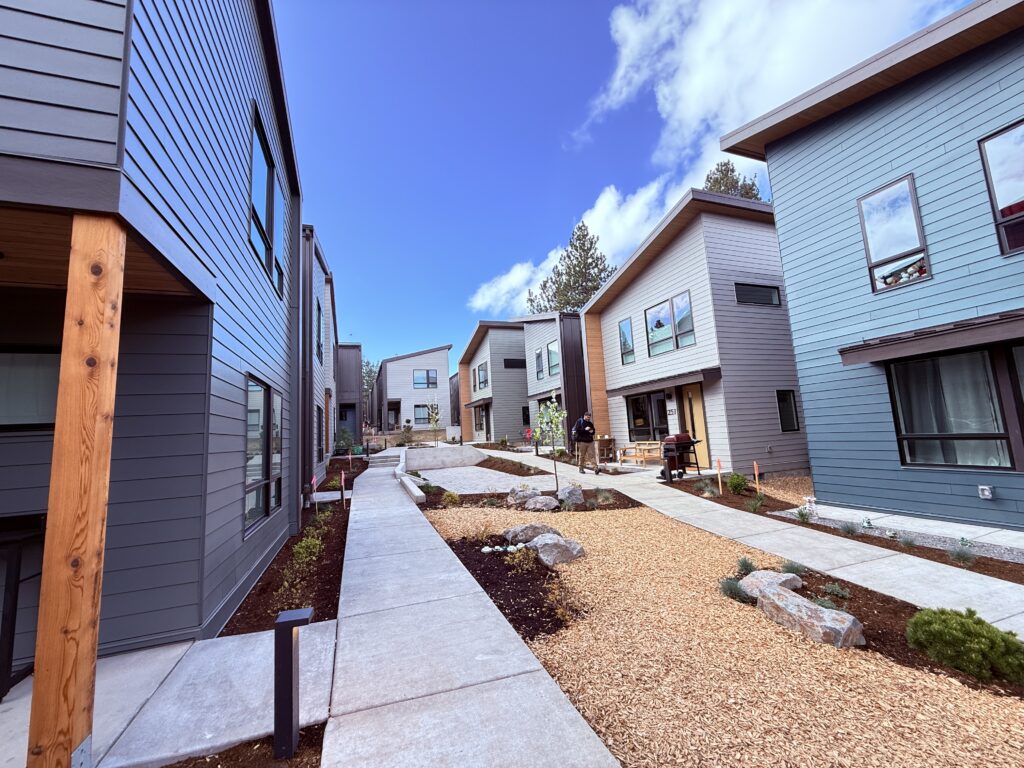
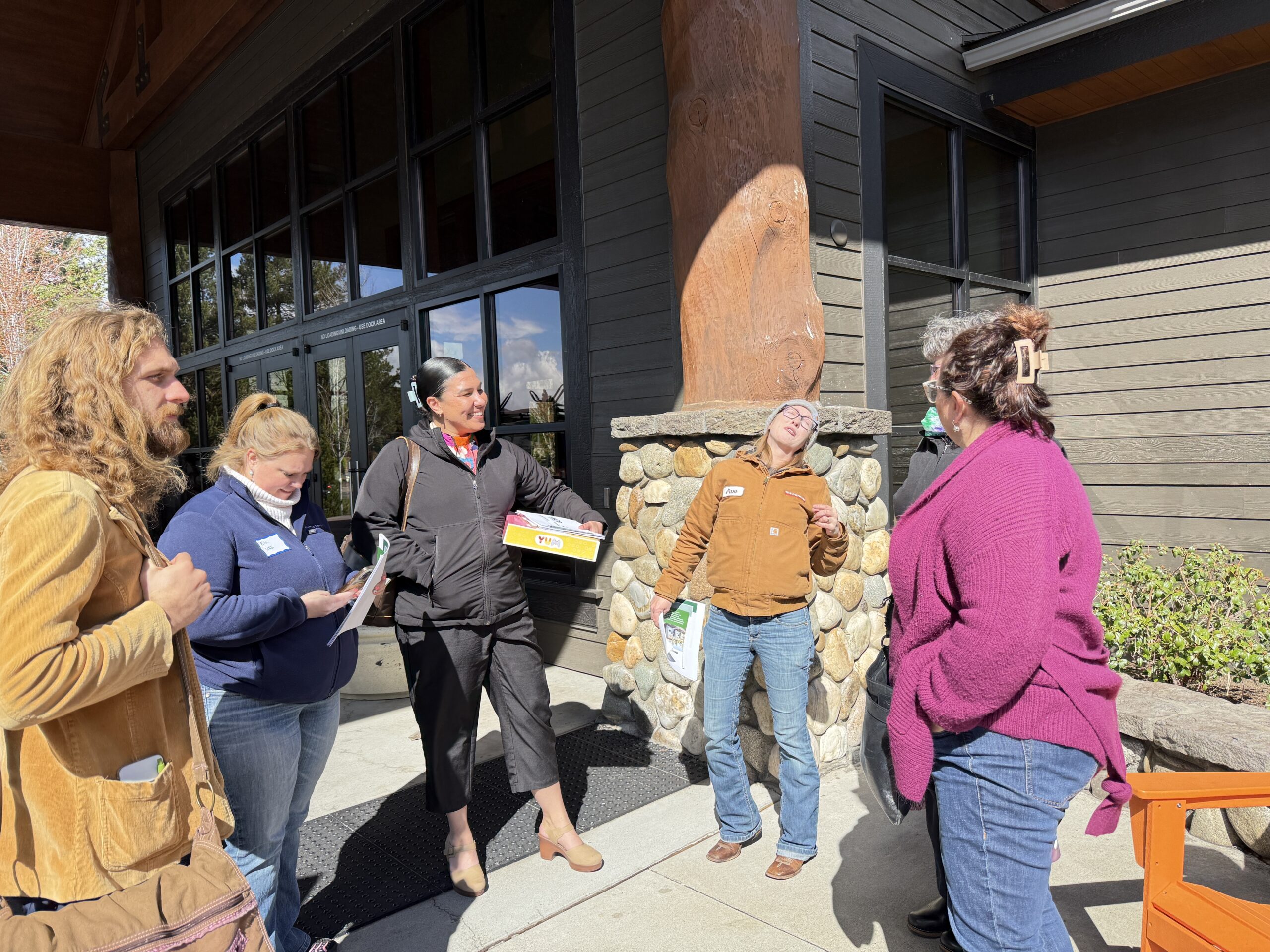
At the 2026 EDD Wealth Creation Summit in Bend, Oregon, hosted in partnership with Rural Development Initiatives (RDI) and Regards to Rural, participants engaged in mobile workshops highlighting place-based wealth creation strategies. One workshop featured RootedHomes, a community land trust (CLT) operating in Central Oregon, that offered a compelling example of how housing can function as a regional wealth building strategy aligned with the wealth creation framework.
Community land trusts are nonprofit organizations that permanently steward property by acquiring and holding land permanently to ensure long-term affordability of housing, agricultural, or commercial uses. By separating land ownership from homeownership and using long-term ground leases with guided resale formulas, CLTs enable households to build assets while preserving affordability for future residents.
This model traces its roots to New Communities, Inc. that was founded in 1969 in Georgia by civil rights leaders as a strategy for secure land tenure, economic self-determination, and collective resilience. Its primary goal was to provide permanent affordable land and housing, fostering economic independence for Black farmers. The organization still operates today and owns land permanently while leasing it to residents through long-term (e.g., 99-year) ground leases, ensuring the home remains affordable for future buyers. Today, CLTs continue that legacy by addressing market failures while intentionally building multiple forms of wealth at the community and regional scale.
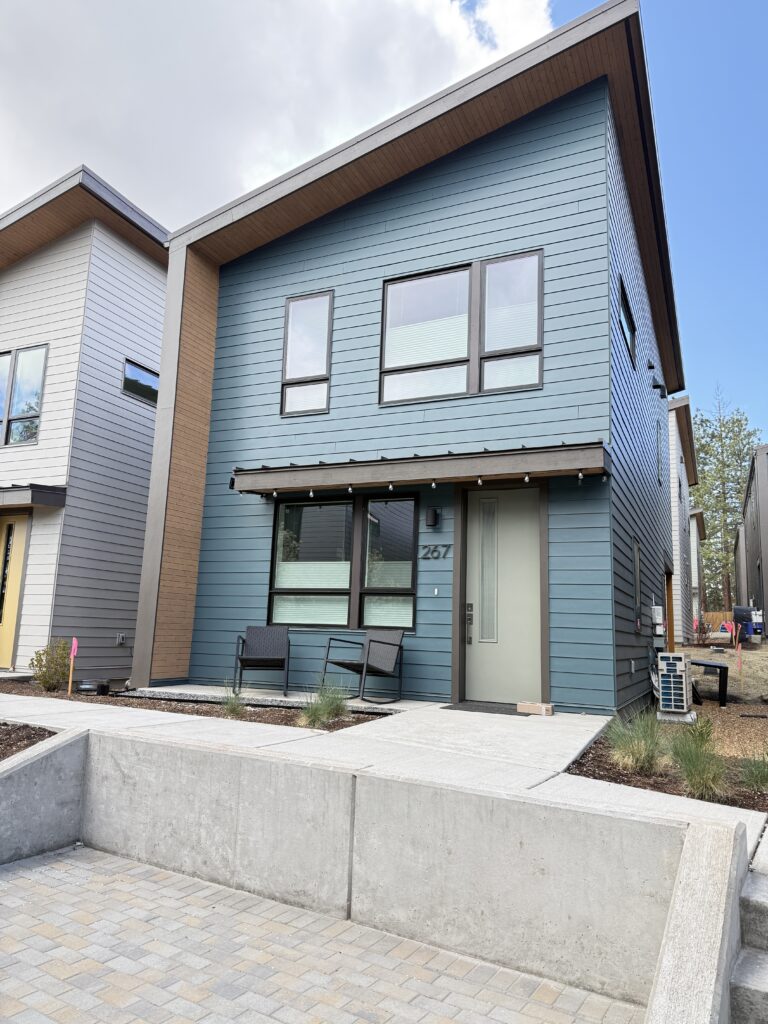
RootedHomes is a nonprofit that provides energy efficient and permanently affordable homeownership opportunities for those who contribute to the fabric of the Central Oregon economy and community. It applies the CLT model to workforce housing in Bend and Redmond, providing homes for households earning below 80% of Area Median Income, with a preference for first generation homebuyers. New construction homes in Redmond and Bend, including single-family, duplexes, and triplexes, are priced between $200,000 and $300,000, well below prevailing market rates.
The initial capital to build these homes comes from a mix of private donations, government subsidies, public investments (city, county, state), employer partnerships, grants and philanthropy, and other partners. For example, RootedHomes partners with local chambers, which then incentivize local businesses to help get their workers into housing.
Here’s how it works:
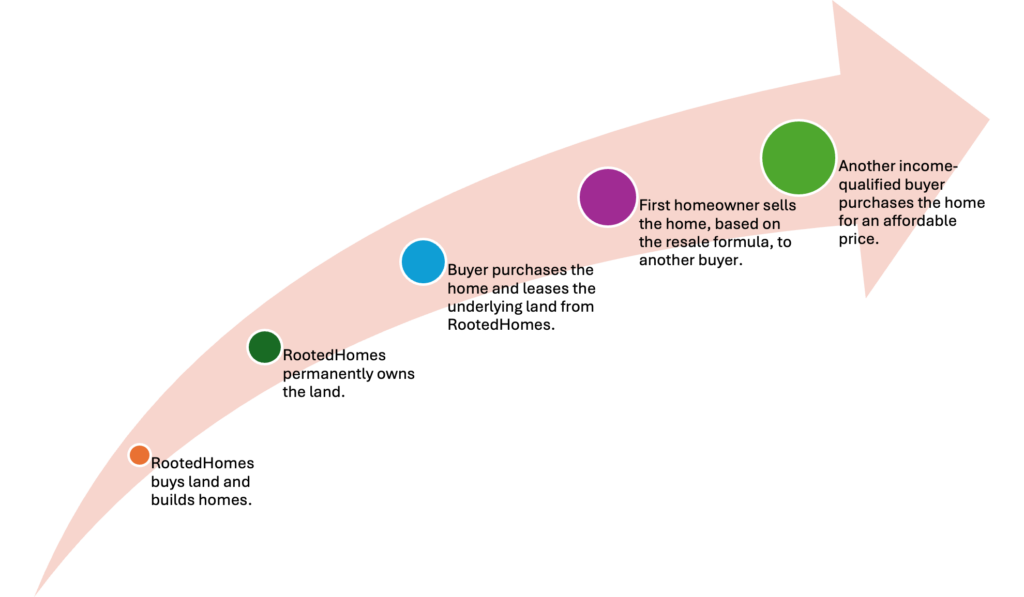
The lower entry cost makes homeownership accessible. Monthly payments build equity instead of rent. The resale formula allows homeowners to gain equity while preserving affordability. All homes are owner-occupied, not investor-owned.
From a wealth creation perspective, RootedHomes activates and strengthens several forms of capital simultaneously:
RootedHomes invests in durable, high-quality housing infrastructure. Homes are built to netzero energy standards, incorporating passive design, solar systems, EV charging, and resident-driven features such as gardens. Average utility bills are around $14 per month, lowering long-term housing costs and increasing household stability.
Homeownership enables residents, many working in healthcare, education, service industries, and the public sector, to build assets rather than pay escalating rents while contributing to the economy. In addition, through partnerships with local builders and contractors, this work is investing in the regional workforce and trades. Construction dollars circulate within the local economy. Each home supports both housing access and job creation. RootedHomes also supports buyers with financial literacy training, mortgage guidance, and ongoing coaching and support, strengthening skills, confidence, and financial security over time.
The RootedHomes CLT model builds intellectual capital by pairing permanently affordable housing with permanently embedded learning in the region. That knowledge, including about the financial structure behind the CLT model, technical know-how of how to make it happen, institutional capacity and relationships, and civic support, remains in the region long after individual homes are built, continuing to strengthen the foundation for robust wealth creation over the long term.
The CLT model fosters long-term relationships between homeowners and the organization, emphasizing trust, transparency, and shared responsibility. Community gatherings, education, and resale support reinforce social connections and a sense of belonging, key ingredients for community stability in high-growth regions.
By leveraging public investment, philanthropy, employer partnerships, and energy incentives, RootedHomes blends capital sources to deliver outcomes the private market alone cannot. The shared ownership model keeps wealth circulating locally and prevents speculative extraction of value.
RootedHomes works closely with municipalities, counties, chambers of commerce, and employers, demonstrating how institutional partnerships can align housing, workforce, and economic development goals. These relationships help shape more responsive local systems and policies.
Energy efficient design and reduced transportation costs (including electric bikes for some residents) lower household footprints while supporting regional energy efficiency goals.
By prioritizing first generation homebuyers and those who contribute to the region’s daily functioning, RootedHomes affirms the value of local workers and reinforces norms of fairness, stewardship, and shared prosperity.
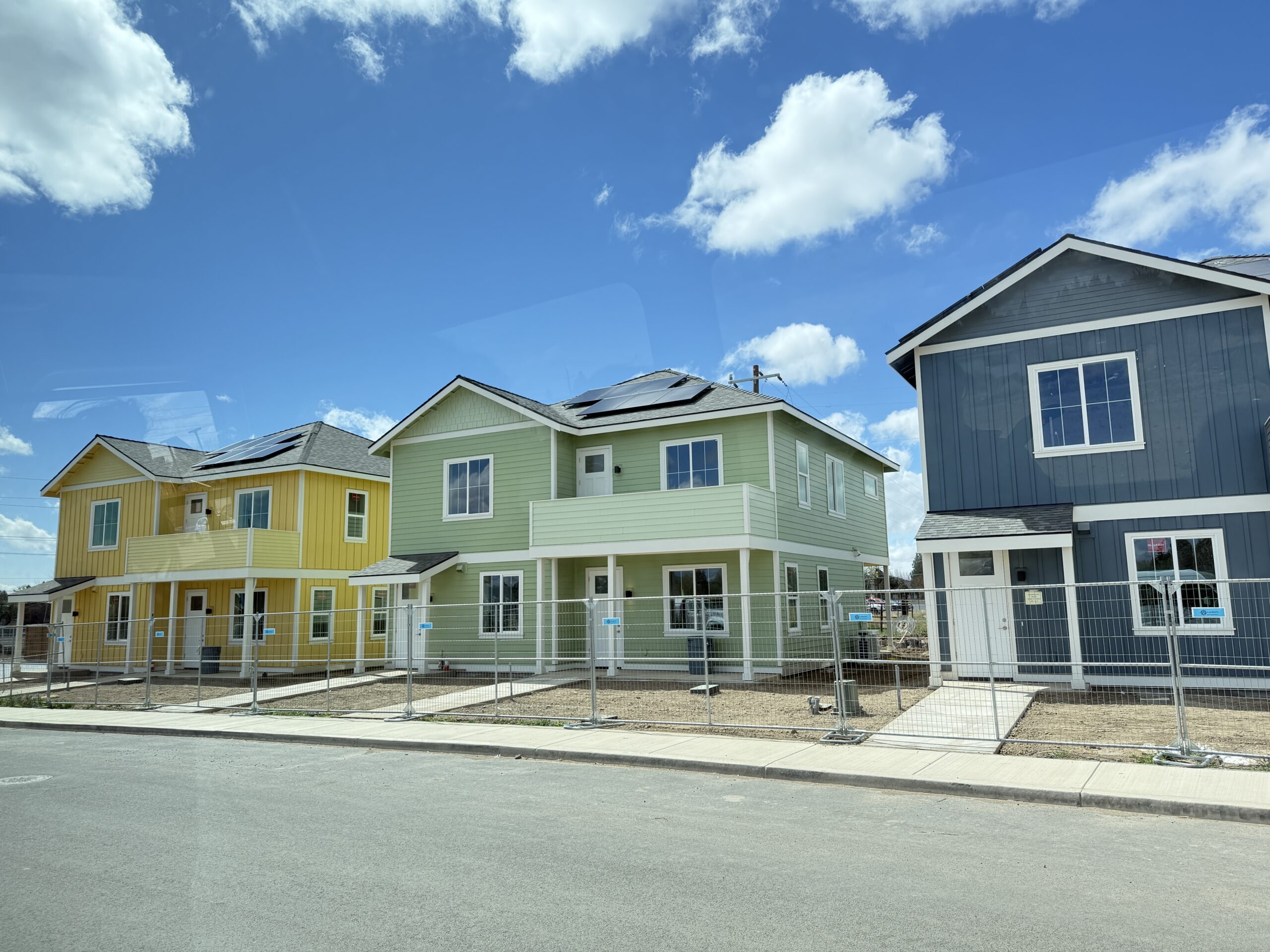
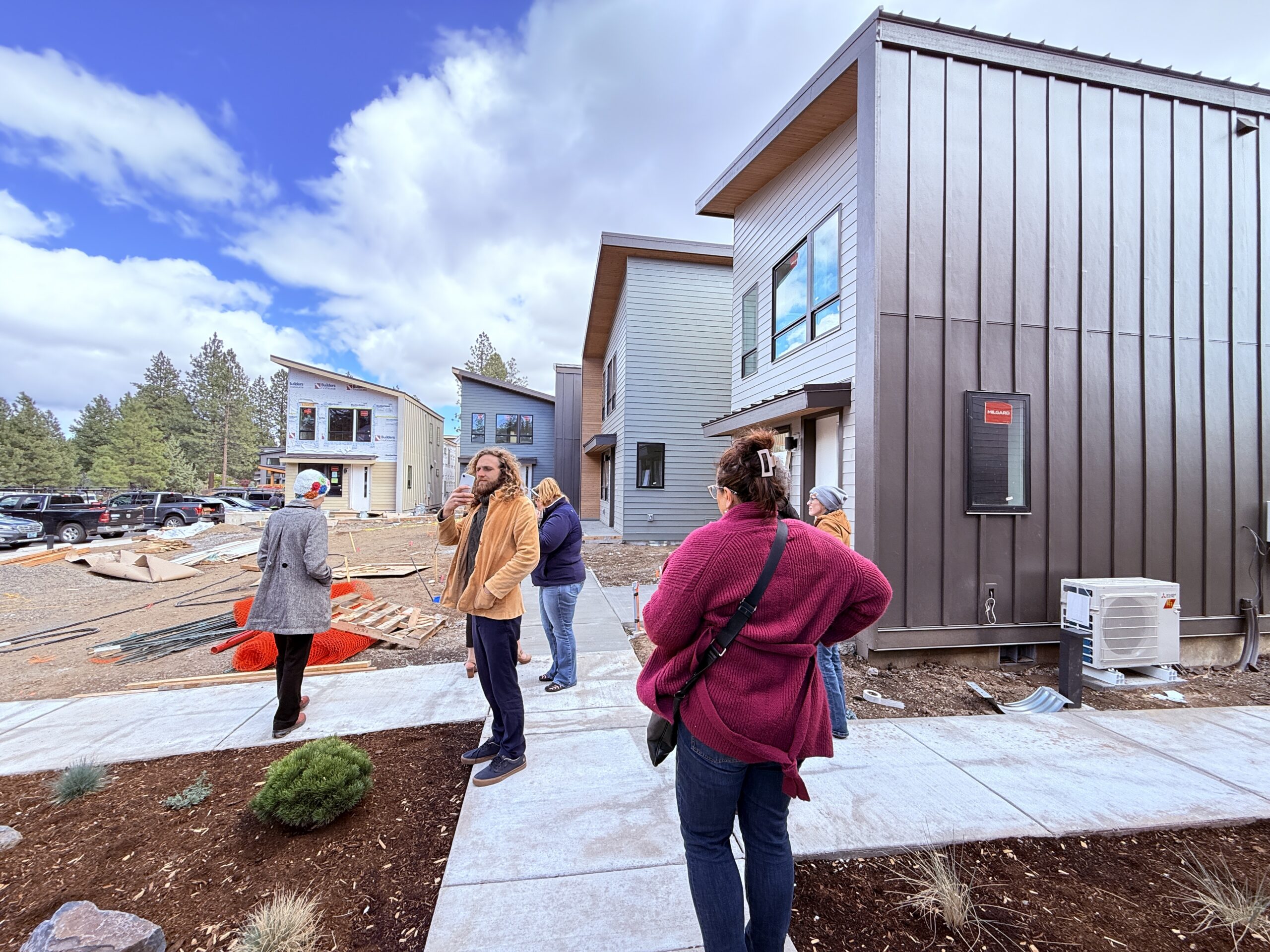
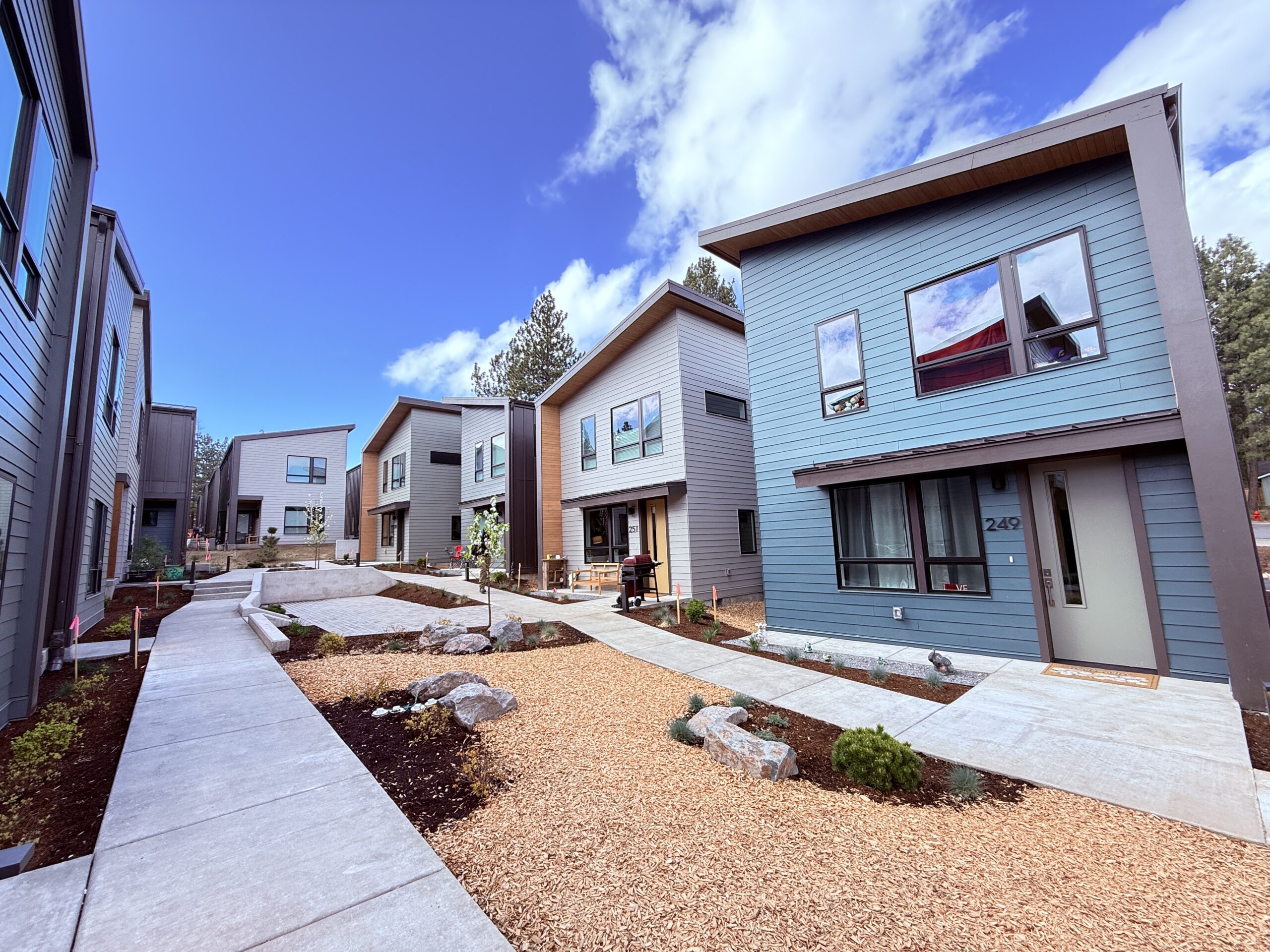
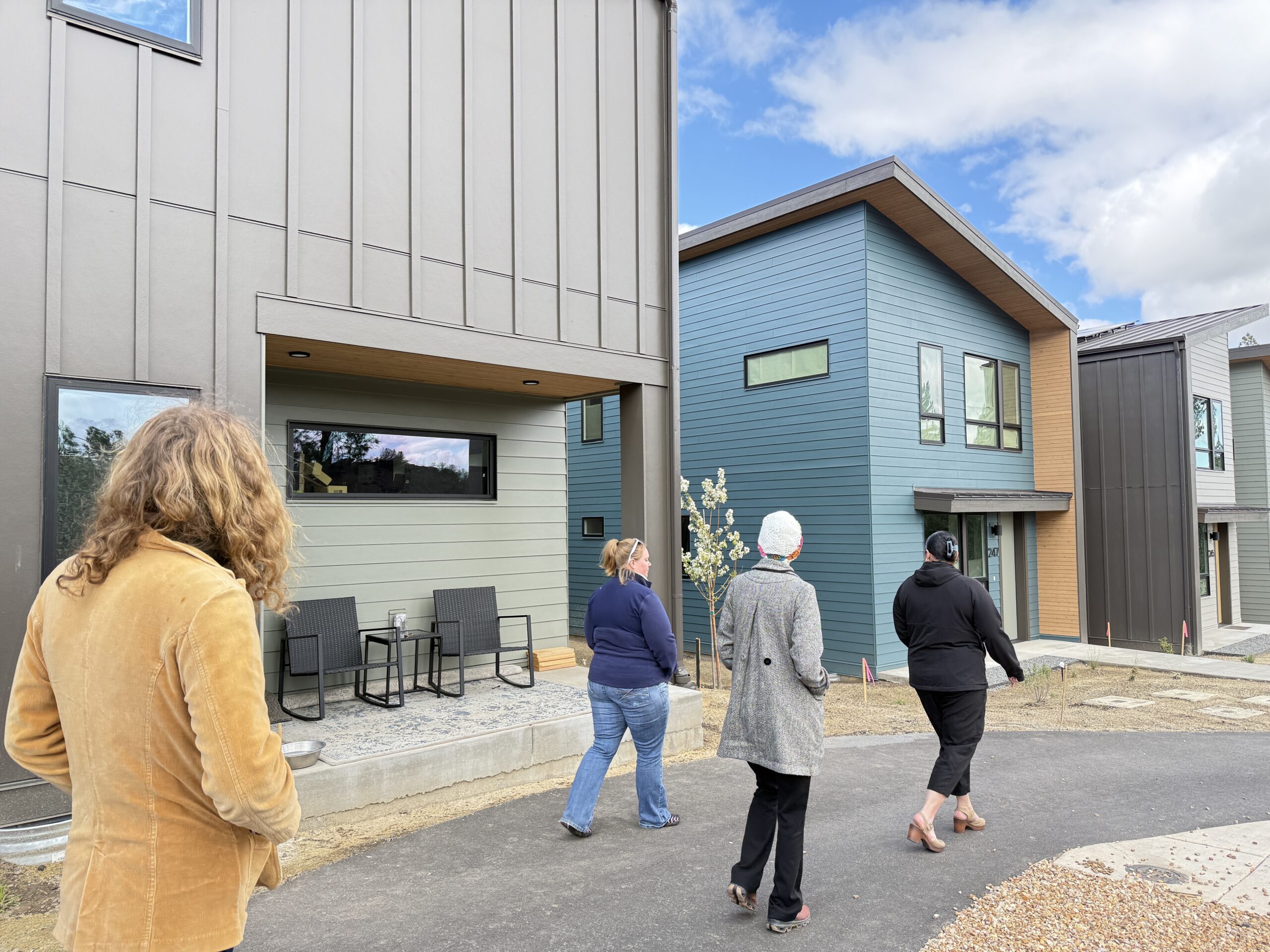
For Economic Development Districts (EDDs), the RootedHomes model illustrates how housing can be treated not as a stand-alone issue, but as core economic infrastructure. Workforce stability, business retention, and regional competitiveness all depend on attainable housing. CLTs offer EDDs a concrete mechanism to address these challenges while advancing resilience.
EDDs are well positioned to:
EDDs can support those organizations interested in replicating CLT models at a regional level, responding to local market conditions while remaining committed to wealth creation principles.
Permanently affordable homeownership is a regional economic strategy, not just a housing solution. RootedHomes shows how intentional design, shared ownership structures, and aligned partnerships can build multiple forms of capital simultaneously. For EDDs seeking economic growth, CLTs are a proven tool for building wealth where people live and ensuring that prosperity lasts.
Each home represents not only housing access, but also:
RootedHomes also applies wealth creation principles internally. The organization conducts a biannual compensation study to ensure staff salaries remain competitive within the local labor market. When discrepancies are identified, RootedHomes adjusts, and when possible, back‑dates pay, demonstrating a commitment to fairness, retention, and organizational resilience.