

From 1988 to 2005, the U.S. Department of Defense’s (DOD) Base Realignment and Closure (BRAC) program reshaped, streamlined, and modernized the extensive DOD network of military installations across the country. In achieving this goal, troop realignment and base closures had serious economic implications for the local communities that supported the affected installations. While DOD took responsibility for the contamination and hazard mitigation on the closed military installation sites, communities were often left with no resources to redevelop or reuse the closed sites.
Key lessons can be learned from how Economic Development Districts (EDDs) have convened, adapted, and reacted to BRAC closure actions in their communities and local military installations. This case study will feature South Plains Association of Governments (SPAG) in west Texas and their valuable work redeveloping Reese Air Force Base outside of Lubbock, TX. Lessons learned from this SPAG case study are widely applicable across the economic development space. Just as manufacturing facilities, universities, coal-fired power plants, or nuclear power plants are key economic drivers and employers in regions, military installations can be the bellwether for regional economic prosperity. As the installation goes, so goes the region, emphasizing the importance of long-term economic development and resilience planning done through the Comprehensive Economic Development Strategy (CEDS).

Military activity on the site began when the Army Air Corps first opened an Advanced Flying School in 1942. Over 25,000 pilots were trained at Reese AFB in its 55-year operation. Reese AFB also achieved acclaim through the first use of a digital flight simulator to train pilots. Several local industries relied on the base and thousands of both direct and indirect jobs injected money into the local Lubbock and wider regional economies from base employment. The base was selected for closure during the 1995 BRAC round and final military operations ceased on the site in 1997. Under its obligations from the National Defense Authorization Act, the U.S. Air Force has managed the site contamination remediation activities, completing major remediation activities in 2016 related to the trichloroethylene used in cleaning solutions for aircraft. The current contaminants being remediated are perfluorinated compounds which came from the use of fire suppression foam. Further testing and site monitoring is conducted on the site to ensure that the groundwater meets EPA standards. This process is expected to continue for the next 10-15 years.
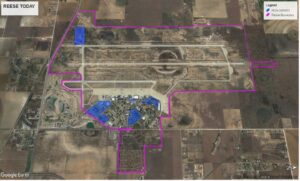
SPAG has championed redevelopment of the Reese Air Force Base since its closure in 1997, serving as one of the primary entities pushing for redevelopment and reuse of the site in partnership with the Reese Technology Center (RTC). The Reese Technology Center is the dba name for the Lubbock Reese Redevelopment Authority (LRAA) that aims to redevelop the former Reese Air Force Base site into a business and research park. The base site was primed for redevelopment as the site had extensive infrastructure assets including the large runways, roadways, utilities on site, and several existing structures that have been converted into warehousing, research centers, and industrial uses. Thanks to the efforts of SPAG, RTC, and the U.S. Economic Development Administration (EDA), the site is now thriving as a host to over 25 private site occupants and public entities like Texas Tech University, South Plains College, Texas A&M Forest Service, and SPAG Law Enforcement Training Academy’s Classrooms, Driving Course, and Firing Range.
SPAG has a reserved seat on the RTC/LRAA Board of Directors and SPAG Executive Director Tim Pierce is the current President of the RTC/LRAA Board of Directors. SPAG’s high level of involvement in base redevelopment discussions has assisted the RTC/LRAA in securing funds from EDA including 4 separate awards over the past 25 years. EDA investment has helped SPAG and RTC/LRAA build on and improve the economic development assets and infrastructure on the site.
2023 – Business Park Expansion
$2.0 million EDA investment
Redevelopment Benefit: Due to past EDA investments and the work of SPAG and RTC staff, the existing business park facilities have run out of room to support new businesses or current customers needing to expand. This investment will create a much-needed new industrial space to attract even more site tenants.
To read more about EDA investment on the site, read EDA’s recent listing of their investments supporting the redevelopment of the site.
The NADO Research Foundation worked with Kelly Davila, Director of Regional Services at SPAG, to create tips and key lessons learned for regions with closed military installations.
Davila emphasized that EDDs have all the tools needed to support their regions through the redevelopment process and can utilize key partnerships with federal funders, experience managing complex programs, and connections with local communities to drive locally sourced base redevelopment that contributes to local and regional economies. Davila shared the following highlights for other regions:

This case study was prepared by NADO Regional Development Researcher Andrew Coker ([email protected]).
(June 2024)