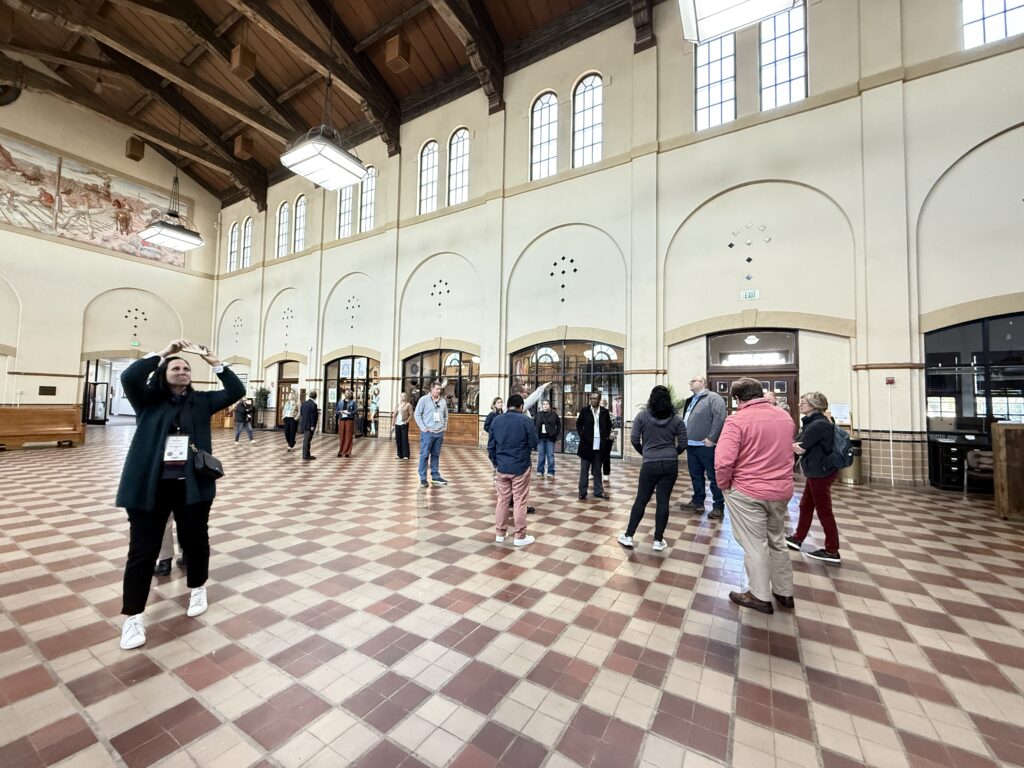
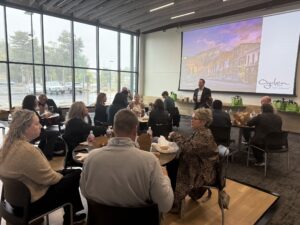
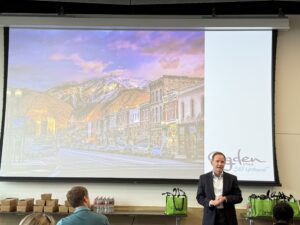
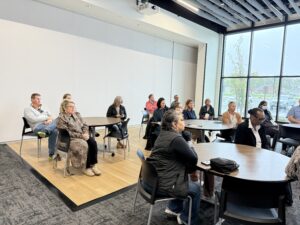
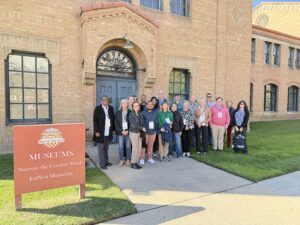
At the 2025 NADO Annual Training Conference in Salt Lake City, Utah, about 20 attendees participated in a site visit to the City of Ogden to learn more about the community, its WonderBlock Development, and ongoing downtown revitalization efforts.
Wasatch Front Regional Council (WFRC) was instrumental to organizing this mobile workshop, as well as supporting Ogden in its downtown revitalization efforts. WFRC is an Association of Governments comprised of elected officials from Box Elder, Davis, Morgan, Salt Lake, Tooele, and Weber Counties, as well as an Economic Development District for the region. WFRC acts as a convener, technical expert, planner and implementer for its region.
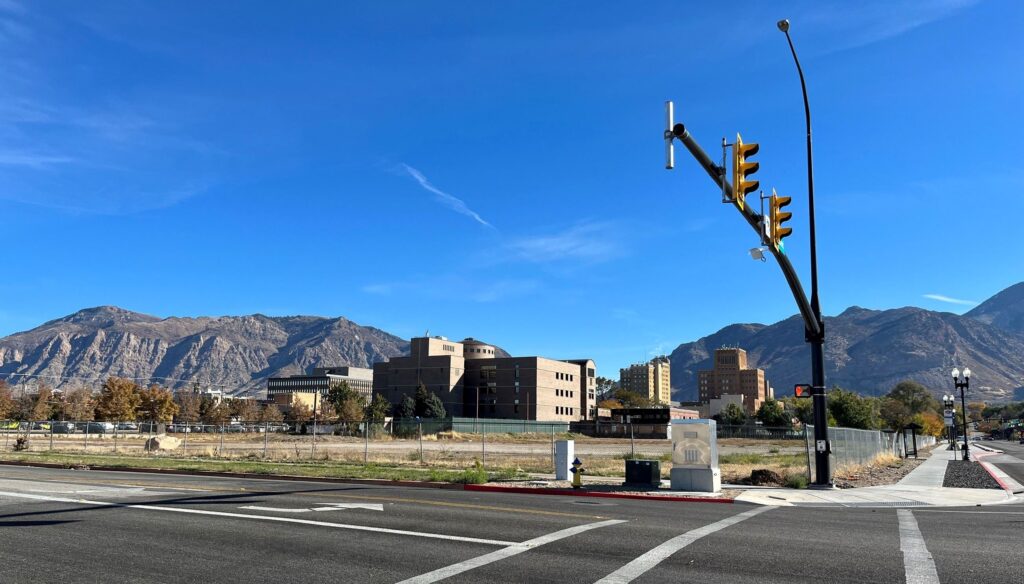
Located along the Wasatch Front a little less than 40 miles north of Salt Lake City, Ogden is home to roughly 90,000 residents across 26 square miles. The city boasts a rich mix of historic, cultural, recreational, and natural assets.
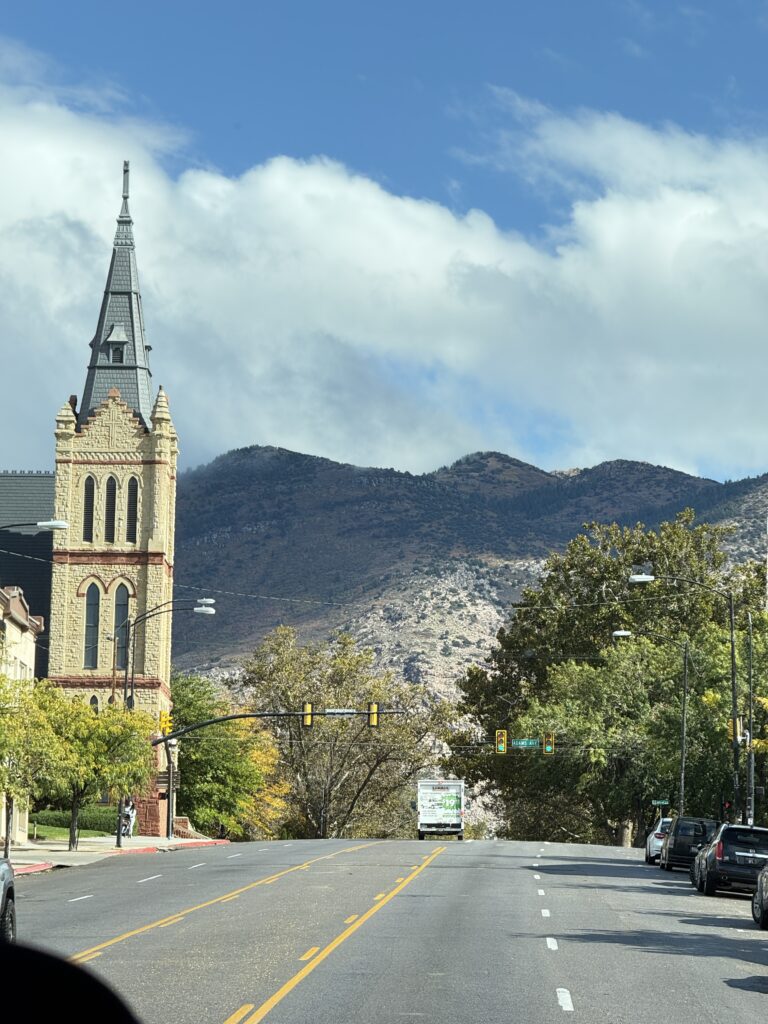
Ogden claims the title of Utah’s oldest European settlement, dating back to 1845. It grew into a major railroad hub, serving nine different rail systems, bringing hotels, restaurants, and retail. During Prohibition, Ogden became known for a lively underground scene of bootleggers and speakeasies. World War II brought renewed vitality through increased rail traffic, the U.S. Forest Service building, and the establishment of Hill Air Force Base in 1938. As rail travel declined, Ogden faced economic challenges through the 1970s, leaving the once-thriving main street lined with vacant buildings. However, the outdoor industry and community-driven efforts sparked a transformation. Historic 25th Street, once boarded up and underutilized, has been revitalized into a vibrant destination for travelers, families, food enthusiasts, and art lovers. Ogden also acknowledges the value of its key anchor partners, including Hill Air Force Base, local technical colleges and universities, and health care institutions that all contribute to the city’s economic and social fabric.
Ogden’s redevelopment strategy is simple: activate underutilized assets. By investing in transformative redevelopment, the city is closing gaps both fiscal and physical and creating wealth by leveraging the city’s many assets:
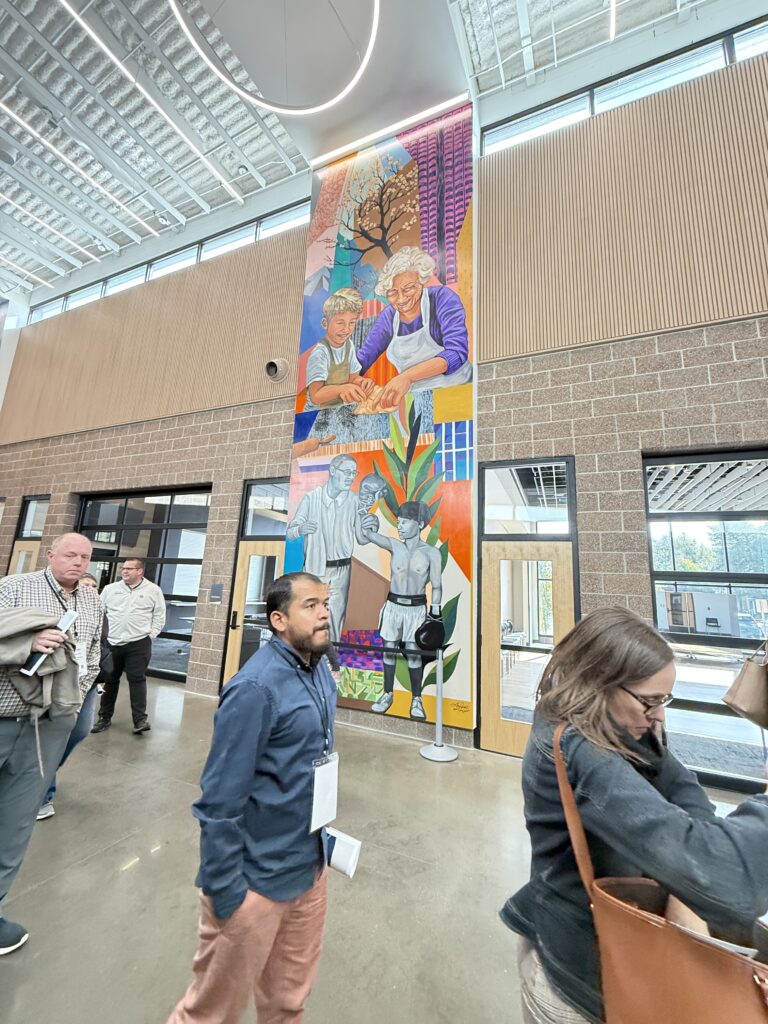
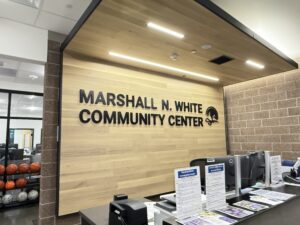
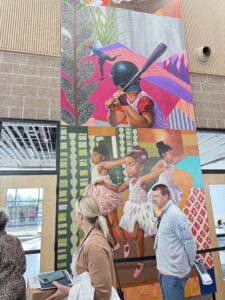
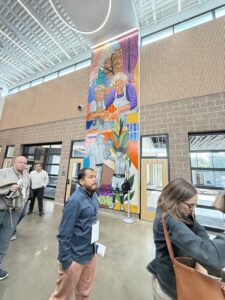
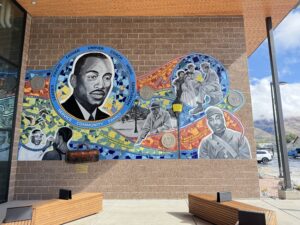
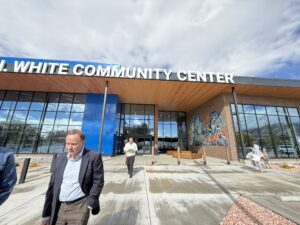
The tour began with a visit to the newly rebuilt Marshall White Center, a community hub twice the size of its predecessor, funded through New Market Tax Credits and opened in 2025. The group was treated to a presentation by David Sawyer, Deputy Executive Director of Community and Economic Development for the City, and KC Sanders, Business Recruitment Manager. The Center is a community resource for people of all ages, offering a wide range of activities and programs that bring Ogden together. These include adult programs like fitness, boxing, art, pottery, dance and cooking; youth programs like boxing, cooking, dance, pottery, art, music, seasonal sports programs and more; and a pool and aquatics programming including aquatic fitness, swimming lessons and more. The Center also hosts annual events like the Ogden Cinco De Mayo Festival, Thanksgiving Dinner Christmas Dinner and Martin Luther King Jr. Breakfast. Named after Ogden’s first Black police officer killed in the line of duty, the center honors his legacy. Marshall White’s granddaughter led the tour, adding a personal touch to the experience.
Along our travels, we drove by a great example of Ogden building on its underutilized assets, the Trackline EDA Project, which transformed 122 acres of former stockyards into Utah’s first master-planned lifestyle business park – Ogden Business Exchange (OBE). Creation of OBE supports Ogden’s position as a leader in the manufacturing and distribution industry and creates a home for Ogden’s present and future creative and outdoor recreation related companies. One key anchor tenant is Enve Composites, the leader in high-end carbon fiber bicycle wheels and components. This new headquarters and manufacturing/distribution center will bring 325 jobs back to this industrial area.
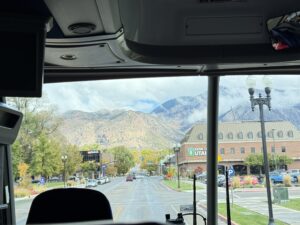
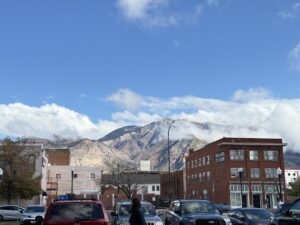
Next, attendees explored downtown Ogden, including the US Forest Service building and Historic 25th Street. Originally 5th Street, it became 25th Street in 1889 and has long been a focal point for commerce and culture due to its proximity to Union Station. The historic buildings and the history of 25th Street continue to attract local patrons. Today, it features restaurants, galleries, retail shops, and hosts community events like farmers’ markets and car shows. It’s also home to the Ogden City Municipal Building and the Federal Courthouse.
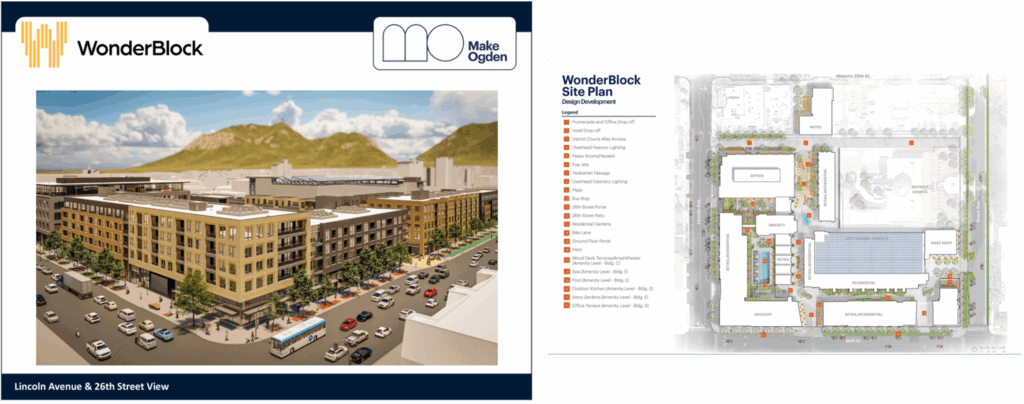
Visitors then visited WonderBlock, located on the former Wonder Bread factory site, is a transformative mixed-use project designed to create a vibrant sense of place. Spanning between 25th and 26th Streets, it will connect seamlessly to Historic 25th Street and include:

The combination of residential, retail, office, food and beverage as well as hospitality will be connected via attractive public spaces that will support special events, ultimately, according to the WonderBlock promotional materials, “creating a unique sense of place that will draw people throughout the region.” All commercial and residential components of the Wonderblock will be owned and operated by the development partner, while the city retains ownership of the parking structures, ensuring ongoing tax revenue for the city.
Ogden’s urban character means that housing development will happen through infill development, making the best use of underutilized or vacant properties. WonderBlock complements and supports the city’s placemaking initiatives to attract more activity to downtown Ogden, including more residents, businesses and jobs, and increased walkability and public transportation and parking conveniences.
This project isn’t just about buildings; it’s about creating a sense of place as it connects seamlessly to Historic 25th Street and supports Ogden’s vision for a thriving, walkable downtown. This public-private partnership between J. Fisher Companies and the Ogden City Redevelopment Agency is a cornerstone of the city’s Make Ogden Master Plan, a 25-year roadmap for growth and prosperity which aims to transform vacant and underutilized parcels into thriving spaces that attract residents, businesses, and visitors while maintaining affordability.
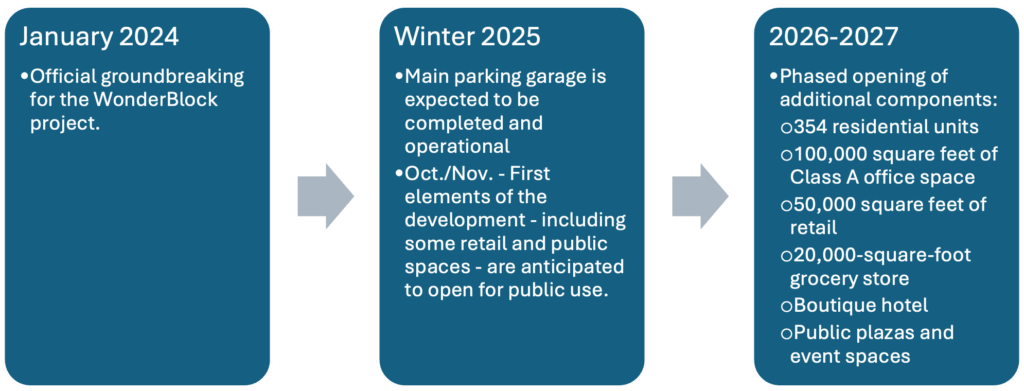
The opening timeline for WonderBlock is below:
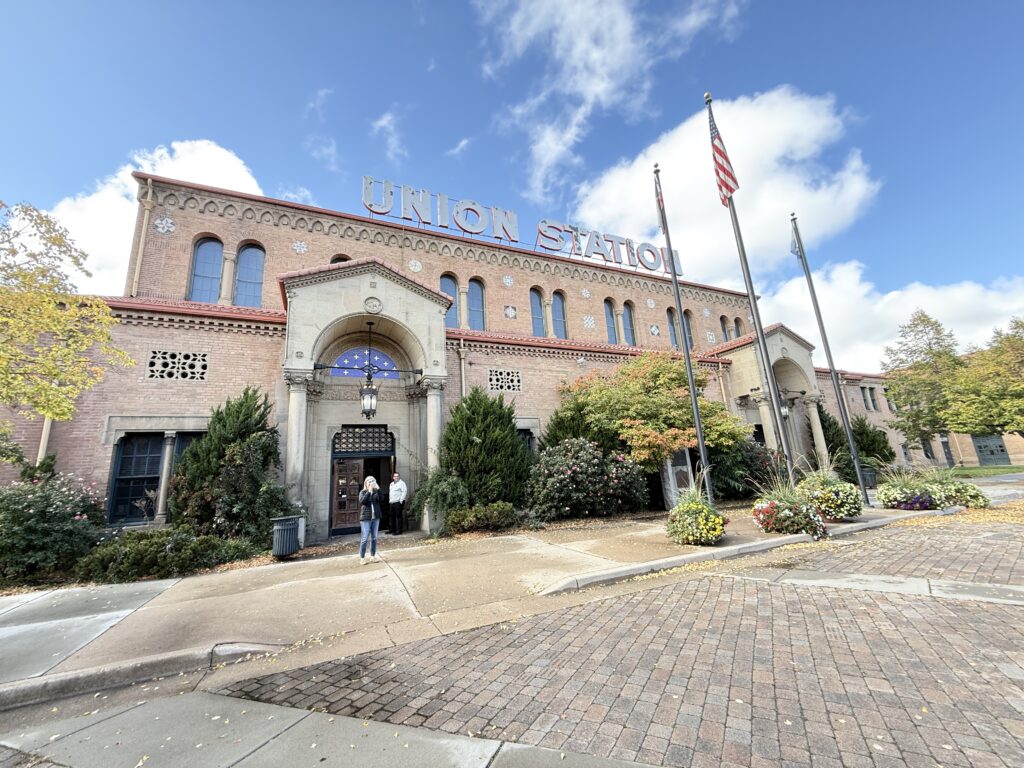
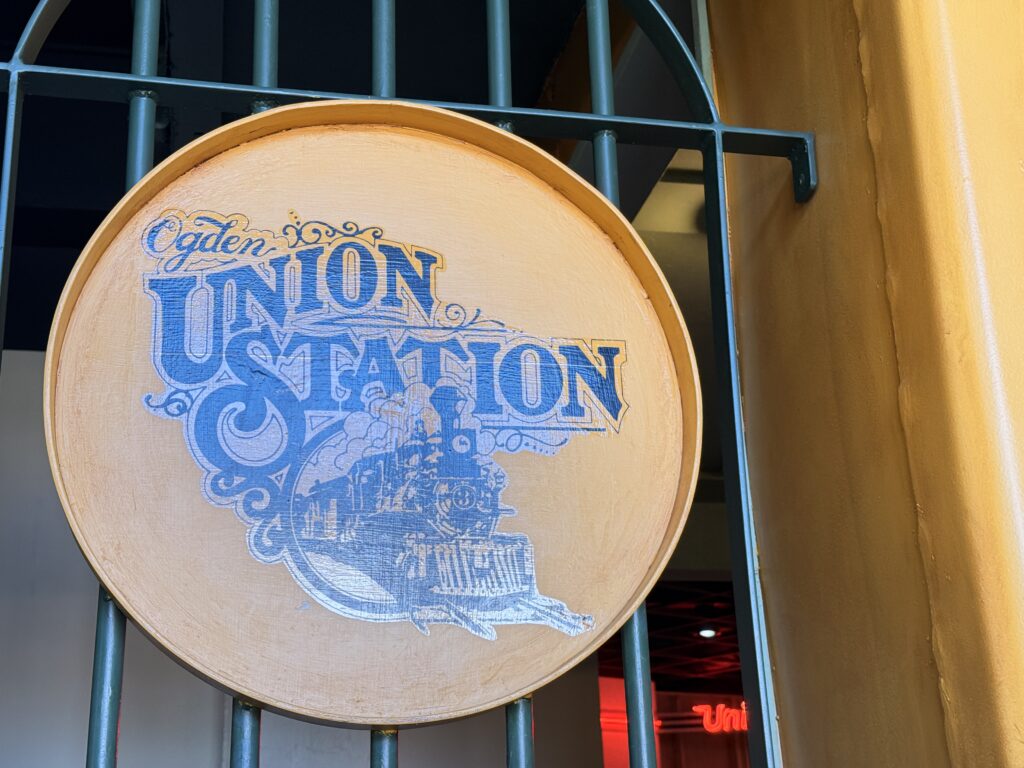
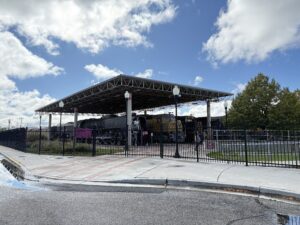
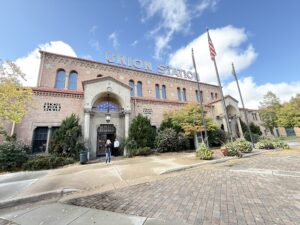
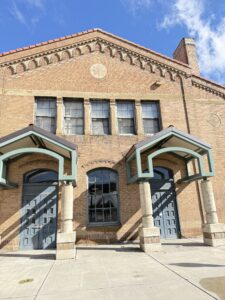
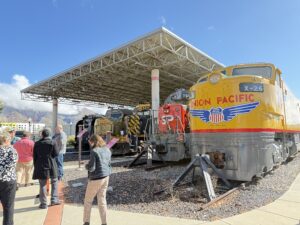
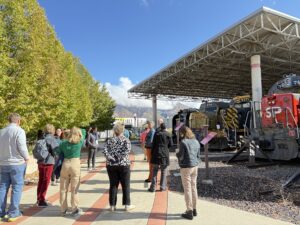
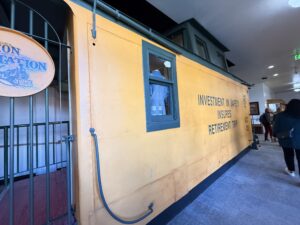
Finally, the tour concluded at Union Station. No longer an active rail depot, the rebuilt station remains a cultural hub, housing museums dedicated to railroads, firearms, Western Heritage, and classic cars, along with art galleries and a research library.
The city plans to renovate Union Station to enhance its role as a transit hub, reintegrating FrontRunner commuter rail service, improving bus connections, adding parking, and creating pedestrian-friendly links to downtown.
Ogden’s story is one of resilience and reinvention. From its railroad roots to its modern-day renaissance, the city is proving that strategic investment and community vision can turn challenges into opportunities. Ogden is using wealth creation principles (leveraging assets, engaging partners, being responsive to demand) to inform this reinvention. With projects like WonderBlock and a commitment to placemaking, Ogden is building not just a downtown but a destination for locals and visitors alike.
 This resource is offered through the Economic Development District Community of Practice (EDD CoP), managed by the NADO Research Foundation to build the capacity of the national network of EDDs. To learn more, visit: www.nado.org/EDDCoP. The EDD CoP is made possible through an award from the U.S. Economic Development Administration, U.S. Department of Commerce (ED22HDQ3070106). The statements, findings, conclusions, and recommendations in this resource are those of the author(s) and do not necessarily reflect the views of the U.S. Economic Development Administration or the U.S. Department of Commerce.
Ethan Simon began as a Research Fellow at NADO in January 2025 after earning his bachelor’s degree in Public Policy from the University of Maryland, College Park, with minors in Law and Society and Geographic Information Science. During and after his undergraduate studies, Ethan built experience across state government, transportation advocacy, and nonprofit policy work, including positions with the Maryland General Assembly, the Government Affairs Department of the Southeastern Pennsylvania Transportation Authority (SEPTA), and as a Government Relations and Advocacy Intern for the National Council of Jewish Women. Ethan currently serves as Chair of Government Affairs for the SEPTA Youth Advisory Council, where he leads advocacy efforts to expand public transportation funding and strengthen transit planning throughout the Philadelphia region.
At NADO, he supports rural energy planning initiatives by contributing research to the Rural Energy Academy and assisting with broader programs focused on rural energy development and policy impacts on rural communities.
Now residing in Washington, D.C., Ethan enjoys playing basketball and football in his free time, as well as traveling. He is interested in U.S. history, sports, and geography, is a die-hard Buffalo Bills fan, and hopes to one day compete on Jeopardy.
Juliette Wilder is the Manager of Government Relations for the National Association of Development Organizations (NADO), where she supports congressional and executive branch outreach, coalition building, and advocacy efforts on behalf of more than 500 regional development organizations (RDOs) nationwide.
Prior to joining NADO, she was a Senior Policy Associate at Boundary Stone Partners, where she specialized in clean energy policy analysis, federal funding navigation, and legislative advocacy. In this role, Juliette coordinated with the Department of Energy on multi-million-dollar clean energy projects, spearheaded congressional and executive branch initiatives, and built partnerships to advance innovation in the energy transition.
She holds a Master’s degree in Global Environmental Policy from American University and a Bachelor’s in International Studies. Her academic research focused on energy equity and the Justice40 Initiative.
When not working, Juliette can be found community gardening, bouldering, or hiking.
Michael Matthews is the Director of Government Relations for the National Association of Development Organizations (NADO), where he leads congressional and executive branch outreach, coalition building, and advocacy efforts on behalf of more than 500 regional development organizations (RDOs) nationwide.
With over a decade of experience, Michael combines policy expertise with political acumen to advance federal policies that promote equitable community development, economic competitiveness, rural growth, economic mobility, and quality of place. Before joining NADO, he served as the Legislative Director for Community, Economic & Workforce Development at the National Association of Counties (NACo), collaborating with county officials to shape policies affecting local governments in areas such as housing, community and economic development, public works, and workforce initiatives.
Earlier in his career, Michael held various policy positions at the Association for Career and Technical Education (ACTE), Office of Congressman Anthony G. Brown (D-Md.), and contributed to several political campaigns across the Washington, D.C. metro area.
Michael holds a bachelor’s degree in political science from Salisbury University and a master’s degree in public administration from Wilmington University. A native of Delaware, he now resides in Lake Ridge, Virginia, with his wife and daughter.
Andrew Coker joined the NADO team in March of 2023 as a Regional Development Researcher after spending two and a half years as the Regional Economic Resiliency Coordinator at NADO-member organization West Central Arkansas Planning and Development District.
Now serving at NADO as a Program Manager, Andrew conducts research on the newest economic and community development best practices from Economic Development Districts across the country. He helps produce easily digestible information on complex regional issues through case studies, tip sheets, and research reports. Andrew also hosts training and professional development opportunities including conference sessions and virtual webinars for member regional development organizations.
Andrew holds a bachelor’s degree from Hendrix College and a master’s degree from the University of Arkansas Clinton School of Public Service. He is one of NADO’s three Missouri-based team members and enjoys reading and training for his next triathlon.
As Director of Programs, Jack Morgan manages the portfolio of NADO’s training, research, capacity-building, and other grant-funded programs and activities of the NADO Research Foundation. Jack previously served as a NADO Senior Program Manager and Associate Director, leading work supporting energy communities and the training programs for Emerging Leaders.
Jack joined the NADO team in 2022 after seven years with the National Association of Counties (NACo) as a Program and Senior Program Manager. Prior to NACo, Jack was a Policy Analyst for Friends of Southwest Virginia and interned for Mount Rogers Planning District Commission (VA). Jack holds a bachelor’s in geography from Emory & Henry College and a master’s in geography from Appalachian State University.
Jack is certified by the American Institute of Certified Planners (AICP) and is a member of the American Planning Association (APA) Regional & Intergovernmental Planning Division. He also serves on the Emory & Henry College Alumni Board.
Taking road trips, reading non-fiction, and indulging in top-notch barbecue and coffee round out Jack’s days. He loves maps, mountains, and of course, all things sports.
Kar’ron Grant joined the NADO team in 2023 as Administrative Specialist and is the first face (or voice) you’ll see or hear when reaching out to NADO. As Administrative Specialist, Kar’ron manages our database and coordinates NADO event operations. He ensures members’ needs are met, contact information stays current, and NADO’s office is running efficiently.
Kar’ron came to NADO after four years in the classroom teaching at The New Century School and Old Mill Middle North where he received the Patriot of the Year award. He attended Towson University and the University of Maryland Global Campus and holds a bachelor’s in international studies and humanities.
Visiting art galleries and museums, playing basketball and bowling, and taking in movies and music are some of Kar’ron’s interests and hobbies.
Deputy Executive Director Laurie Thompson has been with NADO for 25 years. Laurie helps keep the NADO and NADO Research Foundation wheels turning through management of the daily operations of the Research Foundation, securing financial resources and overseeing grants management, and helping execute NADO’s Annual Training Conference each year.
Laurie holds a bachelor’s in public affairs and government from Mount Vernon College and a master’s in health services administration from The George Washington University. Prior to NADO, Laurie spent time as a Field Specialist and an Eagle Staff Fund Director at First Nations Development Institute.
When she’s taking a rare reprieve from her NADO work, Laurie enjoys traveling domestically and internationally to visit friends and family.
Jamie McCormick joined the NADO team as a Policy Fellow in 2019 and now serves as a Senior Manager of Member Services. In this role, she supports NADO’s engagement with its membership, helping ensure members stay connected, informed, and supported. She assists with programs, communications, and events that strengthen relationships across the organization’s network.
Brett Schwartz began at NADO in 2012 as a Research Fellow after earning his J.D. from the University of Baltimore School of Law. The following year, he was promoted to Program Manager and has now been leading as an Associate Director since 2018. Brett is responsible for managing NADO’s Economic Development District Community of Practice (EDD CoP), as well as researching and monitoring the latest trends in regional economic development and resilience, including best practices for the Comprehensive Economic Development Strategy (CEDS). With more than a decade of experience on the NADO team, Brett is a dynamic relationship builder helping connect and build capacity among the national network of regional development organizations.
Brett also holds a bachelor’s degree from Georgetown University and a master’s from Trinity College Dublin, as well as a certificate in mediation training. He’s a member of Catalyst Grantmakers of San Diego and Imperial Counties and was a participant in the 2021-22 Field Trips to the Future Cohort.
Brett is one of NADO’s West Coast team members residing in San Diego, CA where he enjoys spending time outdoors, attending concerts and festivals, and soaking up life as a parent of two young children.
Katie Allison joined the team in 2023 to lead the strategic communication efforts of NADO. Katie creates and develops print and online materials, communicates NADO’s updates to members via weekly emails, and maintains content for nado.org and NADO’s social media channels. She also works with different departments to generate new ideas and strategies to effectively describe and promote the important work NADO is doing for EDDs and RDOs across the country.
An experienced nonprofit communications professional, Katie worked for organizations in western North Carolina for nearly a decade. She holds a bachelor’s in communications from Wingate University where she was a four-year student athlete.
Senior Program Manager Ciara Ristig has been a member of the NADO team since 2021, and helps with NADO’s EDD Community of Practice, EDD staff capacity building and other grants on a range of subjects, including equity and solar energy. Before NADO, Ciara worked as a Planner for the County of Santa Barbara and an Assistant Project Manager for REM Consult. Ciara holds a bachelor’s in urban studies and French from Bryn Mawr and a master’s in urban studies from Ecole d’Urbanisme de Paris.
When she’s not traveling, you can find her outrigger paddling and serving on the board of the Blue Sky Center in New Cuyama, CA, near her home base of Santa Barbara.
Carrie Kissel has been a member of the NADO team since 2005 and currently serves as Associate Director, Transportation. Carrie holds a bachelor’s in anthropology from Ball State University and a master’s in public anthropology from American University. In her role at NADO, Carrie provides technical assistance and support to rural regions on transportation and economic development issues. She also develops training and peer exchange events on transportation issues and rural wealth creation as an economic development strategy.
Carrie is a member of the Transportation Research Board (TRB) and serves as chair of the TRB Standing Committee on Transportation in Rural Areas.
Reading, gardening, hiking, and kayaking are a few of Carrie’s hobbies.
Melissa Levy has worked at NADO as a Wealth Creation Specialist since February 2023 and is the Principal Consultant at her own firm specializing in wealth-based economic development consulting. With a career spanning nearly 30 years, Melissa brings a breadth of knowledge to her role providing in-depth research, coaching, and training on regional economic resilience, rural wealth creation strategies, and economic development.
Melissa is a North American Food Systems Network trained AgriCluster Resilience and Expansion (ACRE) facilitator and a WealthWorks coach, facilitator, and trainer.
In addition to her professional work, Melissa serves on the Vermont Urban and Community Forestry Council, on the board of the Hinesburg Community Resource Center, and on the Hinesburg Economic Development Committee.
A true outdoorswoman, Melissa enjoys cross country and downhill skiing, paddleboarding, hiking, biking, and kayaking, as well as yoga, and teaching Tai Chi.
Senior Program Manager Krishna Kunapareddy began her role with NADO in February of 2023 after 14 years of service at Boonslick Regional Planning Commission in Missouri. Krishna manages NADO Research Foundation’s Planning and Environmental Linkages and Center for Environmental Excellence projects. In addition to researching and writing, Krishna also conducts virtual workshops on innovative tools and techniques related to transportation planning.
She holds an undergraduate degree from Andhra University and a master’s from JNT University in India, as well as a master’s in city and regional planning from the University of Texas at Arlington. Krishna is also a certified Smart Cities Academy Practitioner and holds the Location Advantage certificate from geographic information system software company ESRI.
In her spare time, Krishna volunteers with Mentors4College helping high schoolers better plan for their post-high school paths.
Bret Allphin joined NADO in April of 2022 bringing with him a wealth of knowledge after a 20-year career with Buckeye Hills Regional Council in Marietta, Ohio. In addition to his bachelor’s in political science and master’s in public affairs, Bret is a licensed Geographical Information Systems Professional (GISP). He is NADO’s go-to team member for all things mapping while also supporting members with transportation and economic development technical assistance services.
An avid sports aficionado and former collegiate athlete, Bret enjoys cheering on his Cincinnati Reds, hitting the trails on his mountain bike, and improving his golf game whenever possible. Bret is an involved community member in Marietta dedicating much of his spare time to serving on local nonprofit boards.
Applications cannot be saved and returned to at a later time. It is recommended you compile all of your information in advance in a word processor and cut and paste into the application below.
Joe McKinney serves as Executive Director of the National Association of Development Organizations (NADO). Headquartered in Washington DC, NADO provides advocacy, education, research, and training for the nation’s 500+ regional planning and development organizations.
Joe has more than 30 years of experience having served in city, county, regional, national association, and government management since 1991. He holds a bachelor’s degree in Public Policy Analysis from the University of North Carolina at Chapel Hill and is a candidate for a master’s degree in Public Administration from UNC-Chapel Hill.
McKinney has provided congressional testimony on numerous occasions regarding the importance of regional development organizations in helping shape the nation’s economic growth. He is nationally recognized for promoting innovative solutions in areas such as planning and economic development, workforce development, transportation and transit, and aging services.